
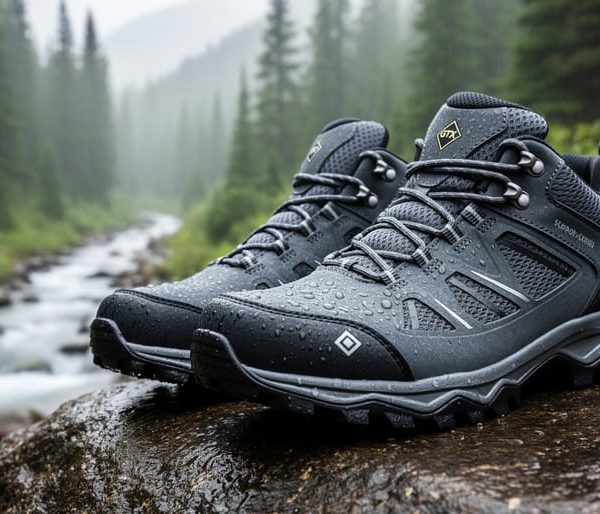
The right pair of men’s hiking shoes makes the difference between a confident stride across rocky Colorado trails and sore feet that cut your adventure short. For 2026, the Salomon X Ultra 5 GTX wins overall for its blend of stability and trail responsiveness, while budget-conscious hikers can grab the Columbia Crestwood for under $100 without sacrificing essential protection on moderate terrain.
Hiking shoes occupy a sweet spot between heavy boots and minimalist trail runners. They deliver ankle mobility for efficient movement, enough support for uneven ground, and sufficient tread to handle loose scree without the bulk of traditional boots. Around Dillon, where trails transition from forested paths to exposed alpine routes within a single hike, that versatility becomes essential.
The commercial landscape has shifted. Waterproof options like the On Cloudrock Low Waterproof now balance breathability with weather protection better than older membrane technology. Weight matters more than many hikers realize. Shaving even a few ounces per shoe reduces fatigue over miles of elevation gain, particularly at altitude where every breath comes harder.
Your ideal hiking shoe depends on where you actually hike, not marketing claims. Light, breathable mesh works for dry summer trails below treeline. Rocky approaches to mountain lakes need stiffer soles and reinforced toe caps. Creek crossings and September snowmelt demand waterproof protection. Understanding these distinctions prevents expensive mistakes and ensures your footwear matches the challenges you’ll face on Colorado’s demanding terrain.
What Makes Men’s Hiking Shoes Different from Boots and Trail Runners
When to Choose Hiking Shoes Over Boots
Hiking shoes excel when you’re covering well-maintained trails below treeline where ankle mobility matters more than rigid support. The low-cut design lets your ankle flex naturally through each stride, reducing fatigue on longer day hikes and making technical footwork easier on rocky sections common around Dillon’s mountain trails.
Choose shoes over boots for summer and early fall hikes when temperatures stay above freezing and trail conditions are predictable. The lighter weight, typically 1-2 pounds less per pair than comparable boots, becomes noticeable over distance, and the improved breathability prevents the swampy-foot feeling that ruins comfort on warm afternoons.
Hiking shoes work best for day trips on established trails like the Ptarmigan Peak route or Officers Gulch, where you’re not carrying heavy overnight packs that demand maximum ankle stability. If your pack stays under 25 pounds and the trail isn’t consistently steep or loose, shoes provide enough support while giving you better ground feel for navigating root networks and uneven rock.
Skip the boots when trail conditions favor speed and agility over protection, maintained paths, frequent creek crossings that require careful footing, or scrambles where precise foot placement matters more than brute ankle lock.
Hiking Shoes vs. Trail Running Shoes
Trail running shoes prioritize speed and ground feel with lightweight, flexible construction and minimal cushioning. Hiking shoes take a more protective approach, using thicker, more durable materials that stand up to rocky Colorado terrain. The reinforced toe caps on hiking shoes shield your feet from sharp rocks and roots, while stiffer midsoles reduce fatigue on uneven trails by providing stable support under load.
This sturdier build means hiking shoes typically last longer when you’re carrying a daypack over rough terrain. The trade-off is weight, expect hiking shoes to feel noticeably heavier than trail runners, though this added mass brings meaningful protection on technical sections where a stubbed toe can end your hike early.
Key Factors to Consider When Buying Men’s Hiking Shoes
Waterproof vs. Non-Waterproof Construction
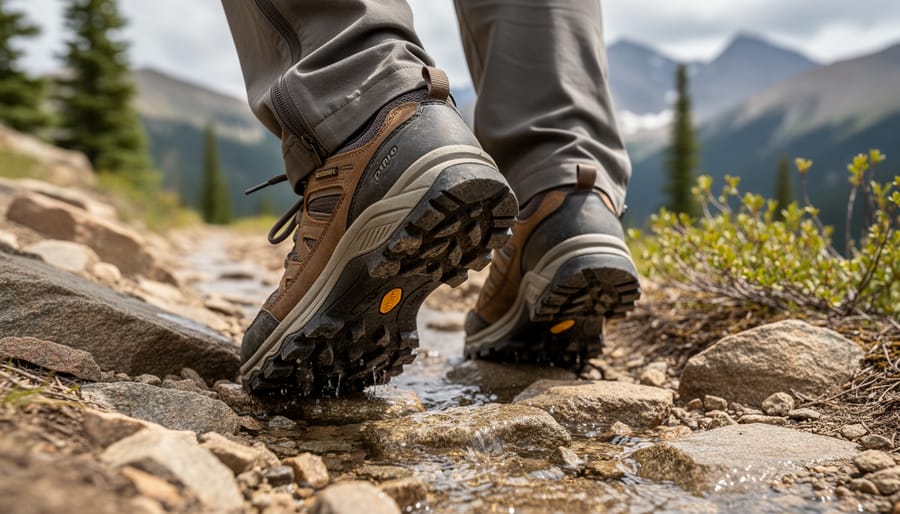
Waterproof hiking shoes use membranes like Gore-Tex or proprietary barriers that block external moisture while allowing sweat vapor to escape, in theory. Models like the On Cloudrock Low Waterproof excel during Colorado’s frequent afternoon thunderstorms and creek crossings, keeping feet dry when conditions turn wet. The trade-off is reduced breathability: on hot summer ascents or high-exertion climbs, waterproof liners trap heat and moisture inside, potentially causing more discomfort than they prevent.
Non-waterproof shoes breathe better, making them ideal for dry-season hiking and routes where you can avoid stream crossings. Around Dillon, where weather shifts rapidly and trail conditions vary by elevation, many hikers choose waterproof construction for versatility. However, if you mostly hike during dry months and prioritize ventilation over protection, a breathable non-waterproof shoe keeps feet cooler.
Consider your typical conditions: spring snowmelt and summer storms favor waterproof models, while late summer and fall often allow lighter, more breathable options. Neither choice is universally superior, match the construction to your season and terrain rather than defaulting to waterproof for every situation.
Traction and Sole Design for Mountain Terrain
The quality of traction compounds and sole design directly determines whether you stay upright or slide on Dillon’s rocky switchbacks and loose scree. Colorado trails demand more from your outsole than groomed park paths.
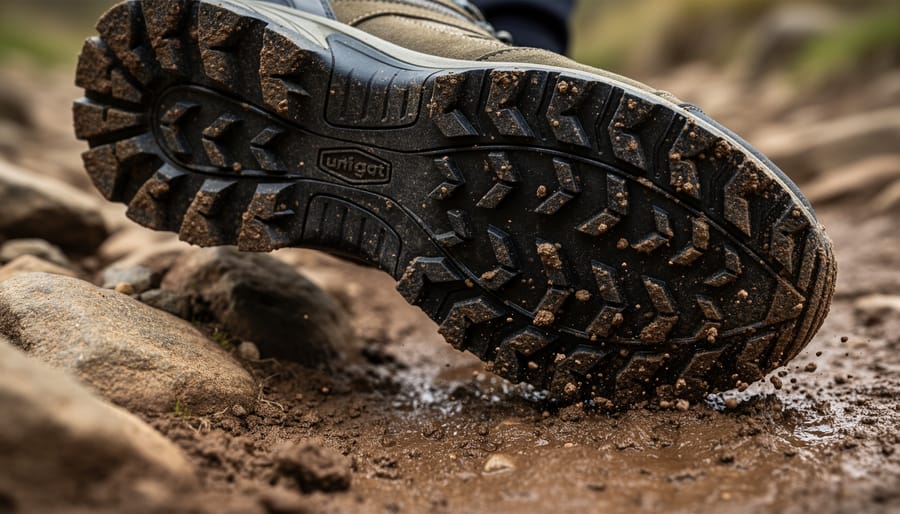
Lug depth matters most on variable terrain. Deep 4-5mm lugs bite into soft dirt and muddy sections after afternoon thunderstorms, while shallower patterns work better on solid rock where deep treads can’t penetrate. The Salomon X Ultra 5 GTX uses multi-directional lugs that grip both climbing and descending, critical when you’re navigating steep grades with loose gravel. Budget models like the Columbia Crestwood typically feature simpler patterns that perform adequately on maintained trails but struggle when conditions deteriorate.
Rubber compound quality separates reliable traction from marketing hype. Softer compounds grip wet rock and roots better but wear faster on abrasive granite. Firmer rubber lasts longer yet slides more easily on slick surfaces. The ideal compound for Colorado balances durability against the state’s intense UV exposure and temperature swings, rubber that gets too hard in cold morning starts loses grip until it warms up.
Heel brake zones with reversed lugs help control descents on steep sections without the quad-burning effort of fighting gravity. Wide-spaced lugs shed mud effectively, preventing the buildup that turns your shoes into slippery platforms on creek crossings and boggy meadows.
Support and Stability Features
Support and stability features determine how confidently you can tackle uneven terrain in hiking shoes. Unlike boots, which rely on ankle collars for support, hiking shoes depend entirely on their internal architecture to keep your foot stable on rocky Colorado trails.
The midsole sits between the outsole and your foot, absorbing impact and controlling how your foot rolls with each step. Firmer midsoles resist compression under load, preventing your foot from wobbling sideways on off-camber terrain and loose rocks. Softer midsoles feel more comfortable on smooth trails but offer less lateral control when you’re stepping on uneven surfaces or carrying a pack. For technical terrain around Dillon, look for shoes with dual-density midsoles that balance cushioning under the heel with firmer support under the midfoot.
A shank, a semi-rigid plate embedded between the midsole layers, provides torsional rigidity that stops the shoe from twisting when you step on roots or angular stones. Full-length shanks offer maximum stability for rocky scrambles, while shorter three-quarter shanks reduce weight without sacrificing forefoot flexibility for climbing steep sections.
The footbed shape also matters. Shoes with built-in arch support and heel cups cradle your foot in place, preventing it from sliding forward on descents or shifting laterally on sidehills. This internal structure becomes your primary stability system when you’re moving quickly across variable terrain without the benefit of a high ankle collar.
Durability and Materials
Colorado’s rocky, abrasive terrain demands hiking shoes built to withstand punishment. The upper material, the fabric covering your foot, makes the biggest difference in longevity. Full-grain leather uppers offer superior abrasion resistance and mold to your foot over time, but they’re heavier and require more break-in. Synthetic uppers (typically nylon or polyester mesh) weigh less, dry faster, and need minimal break-in, but they wear through more quickly on sharp rock and brush.
Most durable hiking shoes use a hybrid approach: synthetic mesh for breathability with leather or synthetic overlays reinforcing high-wear zones. Look for reinforced toe caps (often rubber-coated) to protect against rocks and roots, heel counters for structure, and overlays across the midfoot where laces create friction. Stitching quality matters too, double or triple stitching in stress areas and fully gusseted tongues prevent premature failure.
Construction method affects lifespan. Cemented construction (glued) is lighter but separates with age and exposure to UV; stitched construction lasts longer on demanding trails. The rand, that rubber strip wrapping the base of the shoe, protects the upper from ground contact and extends life significantly on rocky Colorado paths where every step involves scuffing against granite.
Types of Men’s Hiking Shoes Compared
Lightweight Day Hiking Shoes
Lightweight day hiking shoes prioritize comfort and flexibility for well-maintained trails where maximum durability isn’t critical. These models typically weigh under a pound per shoe, reducing fatigue on shorter hikes, a meaningful difference when you’re covering five to eight miles on groomed paths around Dillon Reservoir or easier sections of the Sapphire Point trail system.
The trade-off comes in construction: lighter shoes use thinner materials, less aggressive tread, and minimal reinforcement compared to burlier all-terrain models. They excel on packed dirt and established routes but struggle with loose scree or extended rocky scrambles. For families exploring local nature trails or hikers who stick to maintained paths, lightweight shoes offer breathability and all-day comfort without the overkill of heavier builds designed for technical terrain.
All-Terrain Hiking Shoes
All-terrain hiking shoes strike the balance Colorado hikers need for unpredictable mountain conditions. These mid-weight models feature stiffer midsoles and reinforced toe caps that handle rocky scrambles near Sapphire Point or extended days on the Gore Range Trail, while remaining light enough to move quickly when weather shifts.
The construction typically combines synthetic uppers with rubber rand protection and aggressive tread patterns designed for loose scree and wet roots. Unlike lightweight day hikers, all-terrain shoes include torsional stability features that reduce foot fatigue on uneven surfaces, important when you’re navigating boulder fields or creek crossings miles from the trailhead.
Many all-terrain models offer waterproof versions alongside breathable alternatives, letting you match the shoe to seasonal conditions. The slightly higher stack height and firmer platform provide better support for carrying daypacks on longer outings without crossing into the weight and stiffness of traditional hiking boots. For Dillon-area hikers who tackle varied terrain throughout the season, all-terrain shoes deliver the versatility to handle most trail conditions without specializing in any single type.
Approach and Technical Hiking Shoes
Technical hiking shoes bridge the gap between standard hikers and climbing approaches, with stiffer construction and sticky rubber that grips rock reliably. These models excel on steep, rocky routes where precision footwork matters, think the boulder fields on Quandary Peak’s upper slopes or the exposed sections of North Tenmile Trail.
The defining feature is a firmer midsole and outsole that allows you to edge confidently on narrow holds and feel stable when weighting your toes on steep granite. The trade-off is reduced cushioning and flexibility compared to standard hiking shoes, making them less comfortable for extended mileage on flat trails. Most technical shoes also feature reinforced toe caps and aggressive lug patterns designed for mixed terrain.
These shoes shine when your route involves fourth-class sections requiring both hands, where ankle-high boots feel clumsy but trail runners lack the precision and protection you need. Understanding scrambling safety becomes critical with this footwear choice, as the stiffer platform changes how you move on technical ground.
For most Dillon-area day hikers sticking to maintained trails, technical shoes are overkill. But if you regularly venture onto steep, rocky terrain where foot placement demands focus, they provide the control standard hiking shoes can’t match.
Top Recommendations for Different Hiking Needs
Best Overall: Salomon X Ultra 5 GTX
The Salomon X Ultra 5 GTX stands out for hikers tackling Colorado’s demanding mountain terrain because it delivers real versatility without compromise. Its Gore-Tex membrane handles the variable conditions you’ll encounter around Dillon, sudden afternoon thunderstorms, creek crossings, and morning dew, while maintaining enough breathability for steep climbs in thinner air. Understanding Colorado weather basics helps explain why this waterproofing matters so much at altitude.
What makes this shoe exceptional is how it balances aggressive Contagrip outsoles for rocky scrambles with a chassis stable enough for longer day hikes carrying a full pack. The Quicklace system lets you adjust fit quickly when your feet swell during elevation gain, and the reinforced toe cap protects against the constant rock strikes typical of Dillon-area trails. At around $170, it represents a mid-range investment that handles everything from maintained paths to technical approaches without forcing you to carry multiple pairs.
Best Budget Option: Columbia Crestwood
The Columbia Crestwood stands out as the best value pick for families and casual hikers who want dependable footwear without the premium price tag. Consistently available under $100, these shoes deliver the core essentials, waterproof protection, decent traction, and comfortable cushioning, that matter most on Dillon’s easier trails like the Sapphire Point Overlook or Lily Pad Lake Loop.
What you’re trading for that budget price is refinement rather than basic capability. The Crestwood’s midsole won’t feel as responsive as pricier models over long distances, and the materials show wear faster on abrasive rock surfaces. But for weekend explorers hitting maintained trails a few times per month, that’s a reasonable compromise. The fit runs true to size for most wearers, though the toe box feels slightly narrow compared to wider-cut competitors.
These shoes shine for parents outfitting kids who’ll outgrow gear quickly, or anyone testing whether hiking becomes a regular activity before investing in premium footwear. They handle Dillon’s summer afternoon thunderstorms adequately and provide enough grip for moderate inclines without the performance ceiling that serious hikers will notice immediately.
Best Waterproof Option: On Cloudrock Low Waterproof
Colorado’s unpredictable mountain weather makes waterproof hiking shoes essential rather than optional. Afternoon thunderstorms can roll in within minutes above 9,000 feet, transforming dry trails into wet, slippery surfaces. Creek crossings on trails around Dillon add another moisture challenge that standard mesh shoes can’t handle.
The On Cloudrock Low Waterproof addresses both scenarios with reliable waterproof construction that keeps feet dry without the swampy interior common in cheaper waterproof models. The shoe balances protection against breathability better than many alternatives, preventing the clammy buildup that occurs when membranes trap perspiration during steep climbs.
For hikers who frequently encounter Colorado’s variable conditions or plan routes involving stream crossings, waterproof construction prevents the discomfort and potential blisters that come from hiking in soaked footwear. The investment pays off quickly when you avoid cutting trips short due to wet feet or dealing with days of drying out standard shoes after unexpected weather. Waterproof models shine during spring snowmelt season and throughout summer’s daily thunderstorm pattern, making them particularly valuable for those exploring Dillon-area trails year-round.
Common Mistakes to Avoid When Buying Hiking Shoes
Ignoring Break-In Requirements
New hiking shoes feel stiff because manufacturers use denser materials and reinforced construction to handle rocky terrain. Breaking them in gradually prevents blisters and hot spots that can ruin a Colorado mountain hike.
Start by wearing your shoes around the house for short periods, then progress to flat neighborhood walks before attempting trails. This lets the materials flex naturally and reveals any fit issues while you can still return them. Pay attention to pressure points at the heel counter and across the toe box, these areas need to soften before you tackle steep descents or boulder-hopping.
For Dillon-area trails, complete at least two or three shorter hikes on easier terrain before attempting longer routes like the Mesa Cortina Trail or Officers Gulch. Even quality models need time to conform to your foot shape, and Colorado’s rocky trails amplify any friction points that haven’t worked themselves out yet.
Choosing Based on Brand Alone
Brand reputation matters, but it shouldn’t override fit and features. Salomon makes excellent models like the X Ultra 5 GTX, yet their sizing runs narrow compared to brands like Merrell or Keen. A hiker who swears by one manufacturer might discover their latest model changed the last, altered waterproofing materials, or shifted toward lighter weight at the cost of durability. Columbia’s Crestwood proves budget-friendly brands can deliver solid performance under $100, while premium names sometimes charge extra for marketing rather than meaningful upgrades. Different models within the same brand serve different purposes, approach shoes differ dramatically from trail cruisers even when they share a logo. Test each specific model rather than assuming your favorite brand’s name guarantees the right shoe for Colorado’s rocky, variable terrain.
Overlooking Weather and Altitude Considerations
Dillon sits at 9,017 feet elevation where afternoon thunderstorms appear with little warning and temperatures swing 30 degrees between morning and afternoon. Many hikers shopping for shoes in Denver or online forget that high-altitude conditions demand different footwear priorities than low-elevation trails. At this elevation, morning frost can give way to intense UV exposure by noon, then cold rain by 2 PM, all on the same hike.
Waterproofing becomes more complex at altitude. A waterproof membrane protects against sudden storms and creek crossings, but Colorado’s dry air and intense sun mean breathability matters more here than in humid climates. Shoes that work perfectly in Pacific Northwest conditions can turn into sweatboxes on Colorado trails. Consider models with waterproof coverage for shoulder-season hiking when snow patches and afternoon storms dominate, but don’t overlook mesh panels for summer months when breathability prevents blisters better than waterproofing prevents wet feet.
Temperature regulation matters more than many buyers expect. Thin air provides less insulation, so early-morning starts can mean near-freezing temperatures even in July. Lightweight hiking shoes paired with merino socks offer better versatility than heavily insulated boots that overheat by midday when Colorado’s sun intensity at elevation becomes relentless.
Fitting and Testing Your Hiking Shoes
Getting the right fit separates comfortable hiking from blistered misery, but you can’t rely on your street shoe size. Men’s hiking shoes often run differently than casual footwear, and fit varies between brands and models.
Start by measuring both feet late in the day when they’ve naturally expanded. Many hikers discover one foot is slightly larger, always fit to the bigger one. When trying shoes, wear the socks you’ll actually hike in. Thin dress socks give you a false sense of fit that won’t hold up with cushioned hiking socks.
Check toe clearance first. With the shoe unlaced, slide your foot forward until your toes touch the front. You should fit one finger width behind your heel. This prevents toenail damage on descents when your foot slides forward. Lace the shoes completely, then stand on an incline if possible. Your toes shouldn’t touch the front, and your heel shouldn’t lift more than a quarter inch when walking.
Test the width across the ball of your foot. The shoe should feel snug without pinching. If you sense pressure points on the sides of your feet, try a wide model rather than sizing up in length, which creates sloppiness elsewhere.
Walk around for at least ten minutes. Circle the store, climb stairs if available, or pace your living room. Hot spots that appear within minutes will only worsen on the trail. Pay attention to any rubbing at the ankle collar or pressure across the top of your foot where the laces create tension.
Don’t assume shoes will “break in” to fix major fit problems. While materials soften slightly, a shoe that pinches badly or feels unstable won’t magically transform. Minor stiffness improves with use, but fundamental fit issues don’t.
Colorado’s steep descents make proper toe clearance especially critical, and the rocky terrain around Dillon demands stability you can only verify through movement.
Caring for Your Hiking Shoes in Colorado Conditions
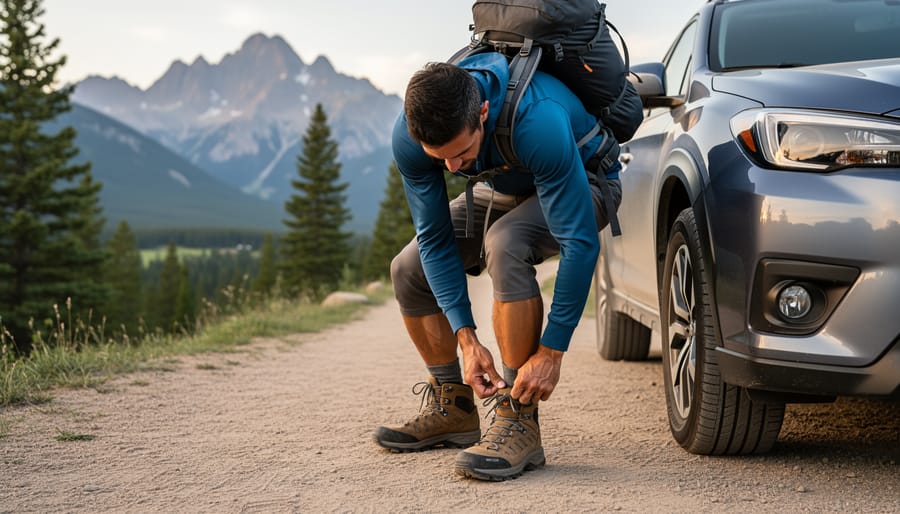
Colorado’s high-altitude environment poses unique challenges for hiking shoe maintenance. The intense UV radiation at elevation breaks down materials faster than at sea level, while the region’s dry air, abrasive granite trails, and sudden afternoon storms create a demanding combination that requires proactive care to extend your shoes’ lifespan.
Start with post-hike cleaning as your foundation. Remove loose dirt and debris immediately after each outing, before it works into seams and fabric. Brush off dried mud with a soft-bristled brush, paying attention to lug patterns where rocks and soil compact. For stubborn dirt, use lukewarm water and a mild soap, avoiding harsh detergents that strip waterproof coatings. Never throw hiking shoes in a washing machine, the agitation damages adhesives and protective layers.
- Clean after every hike with a soft brush and mild soap, focusing on removing embedded trail debris
- Air-dry naturally away from direct heat sources, stuffing with newspaper to maintain shape and absorb moisture
- Reapply waterproofing treatment every 20-30 miles or when water stops beading on the surface
- Inspect for damage regularly, checking seams, sole attachment, and lace integrity before they fail on the trail
- Store in a cool, dry location away from direct sunlight to prevent UV degradation of materials
Drying technique matters significantly in Colorado’s climate. Despite the low humidity, resist the temptation to speed-dry shoes in direct sunlight or near heaters. High temperatures weaken adhesives and make materials brittle. Instead, remove insoles and loosen laces, then air-dry at room temperature. The dry mountain air works efficiently without damaging your investment.
Waterproof models need periodic retreatment. When water stops beading on the upper and starts soaking in, reapply a quality waterproofing spray designed for your shoe’s material. Check the manufacturer’s recommendations, as leather and synthetic uppers require different products. This simple step maintains breathability while restoring weather protection for Colorado’s unpredictable conditions.
Frequently Asked Questions
Colorado mountain hiking presents unique challenges that raise specific questions about footwear choice and care. Here are answers to the most common questions from hikers exploring trails around Dillon.
How long should hiking shoes last on rocky Colorado trails?
Expect 400 to 600 miles from quality hiking shoes on Dillon’s abrasive mountain terrain, with lighter users potentially reaching 800 miles. Rocky trails wear outsoles faster than groomed paths, so inspect lug depth regularly and replace shoes when traction diminishes noticeably.
Do I need waterproof shoes for summer hiking near Dillon?
Waterproof shoes make sense for Colorado’s afternoon thunderstorms and creek crossings, even in summer. Models like the On Cloudrock Low Waterproof keep feet dry during sudden downpours, though they sacrifice some breathability on hot, dry days.
Can I use hiking shoes for winter trails around Dillon?
Hiking shoes work for packed winter trails and snowshoe routes, but lack the insulation and ankle protection needed for deep snow or icy conditions. Switch to insulated boots with gaiters when temperatures drop below freezing or snow depth exceeds six inches.
Should I size up for high-altitude hiking?
Yes, go up a half size to accommodate foot swelling during long climbs and downhill toe impact. Your toes should not touch the front when standing on an incline, which matters significantly on trails with steep descents where why switchbacks matter for reducing knee and toe stress.
What’s the break-in period for new hiking shoes?
Walk 15 to 20 miles on easy, flat terrain before tackling technical mountain trails. Wear new shoes around town, on short neighborhood walks, and during easier local hikes to identify pressure points before committing to a full day on rocky terrain.
Which local trails are best for testing new hiking shoes?
Start with the Dillon Reservoir Loop or lower sections of the Sapphire Point trail to assess comfort and fit on moderate terrain. These maintained paths let you evaluate shoe performance without the commitment of remote, technical routes where footwear problems become serious issues.
Remember that proper footwear represents just one component of safe mountain hiking. Pack trail safety essentials including navigation tools, extra layers, and emergency supplies regardless of your shoe choice. Even the best hiking shoes cannot compensate for inadequate preparation when weather changes rapidly at altitude.
The right shoes matched to your typical trails and conditions will serve you reliably across hundreds of miles. Focus on achieving proper fit first, then consider features like waterproofing and sole stiffness based on where you actually hike rather than what sounds impressive in marketing materials.
Choosing the right hiking shoes transforms every trail experience around Dillon. Colorado’s mountain conditions, rocky terrain, rapid elevation changes, unpredictable afternoon storms, demand footwear that matches the environment, not just your budget or favorite brand logo. The difference between a comfortable day hike and blistered feet often comes down to prioritizing proper fit and terrain-appropriate features over simply grabbing the cheapest pair or the most popular name.
The shoes you select matter because Colorado trails test every aspect of footwear construction. A shoe that fits well and handles the specific conditions you’ll encounter, whether that’s the loose scree on Ptarmigan Peak Trail or the creek crossings near Silverthorne, will serve you better than a premium model that doesn’t match your needs. The Salomon X Ultra 5 GTX excels as an overall choice because it balances the key factors Colorado hikers need, while the Columbia Crestwood proves that under-$100 options can handle local trails when fit correctly. For wet-weather reliability, the On Cloudrock Low Waterproof addresses the waterproofing demands of summer thunderstorms without sacrificing breathability.
Take the time to get your fit right, understand which features matter for your typical trails, and invest in shoes that will protect your feet across Dillon’s varied terrain. When you step onto the trail confident in your footwear choice, you’re free to focus on the views, the wildlife, and the adventure itself.