
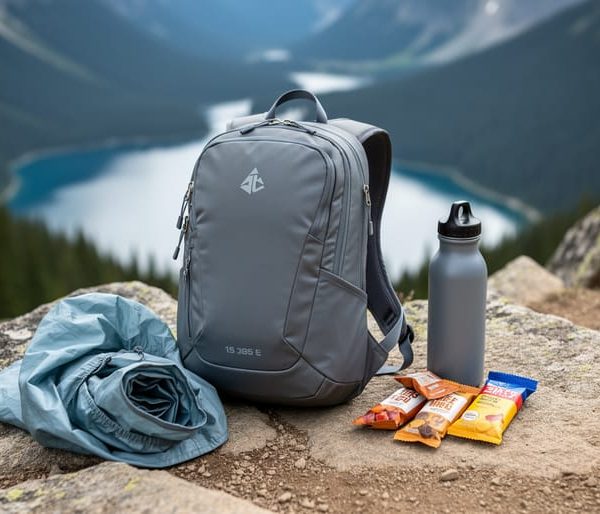
A small hiking bag holds 15 to 30 liters, weighs under two pounds, and gives you the speed and freedom to move quickly on trails without the bulk of a full-size pack. These compact daypacks are perfect for half-day adventures around Dillon’s alpine lakes, morning ascents of nearby 13ers, or spontaneous hikes when weather windows open suddenly in our high country. The best models, like the Osprey Talon 22 at $175 or the budget-friendly REI Co-op Flash 22, balance carrying capacity with minimal weight so you can pack essentials without feeling loaded down.
The surge in minimalist hiking reflects what many of us already know from experience on Dillon trails: carrying less means covering more ground and enjoying the scenery instead of managing a heavy load. At 9,000 feet and above, every ounce matters when you’re breathing thin air and climbing toward treeline. A well-chosen small pack carries your rain shell for afternoon thunderstorms, enough water for three to four hours, first-aid basics, and trail snacks without dragging on your shoulders or throwing off your balance on rocky descents.
Choosing the right small bag means understanding what separates a true hiking daypack from a school backpack or ultralight running vest. Capacity, weight, ventilation, and how the load sits on your body all determine whether a pack performs on Dillon’s steep, exposed trails or leaves you fumbling for water bottles and digging through a single compartment. This guide walks you through the factors that matter, compares pack types for different hiking styles, recommends specific 2026 models that deliver proven performance, and flags the common mistakes that turn a simple day hike into an uncomfortable slog.
What Makes a Hiking Bag ‘Small’? Understanding Capacity and Size
When hikers talk about a “small” bag, they’re usually referring to anything in the 15-30 liter range. That’s the sweet spot for day hikes where you need essentials but don’t want to haul the kitchen sink up a mountain. Below that threshold, you’ll find ultralight minimalist options like fanny packs and lumbar bags ranging from 0.5 to 9 liters, perfect for quick jaunts when you only need water, snacks, and maybe a lightweight shell.
To put this in practical terms, a 16-liter pack like the WaterField Packable Backpack weighs about 12 ounces and holds enough for a comfortable morning on the trails near Dillon Lake. The 22-liter models, such as the Osprey Talon 22, give you breathing room for Colorado’s unpredictable weather, letting you stash an insulated layer and rain gear without feeling cramped. Once you climb past 30 liters, you’re edging into overnight or winter expedition territory, which most day hikers don’t need.
| Bag Type | Capacity Range | Typical Gear | Best Dillon Trails |
|---|---|---|---|
| Fanny/Lumbar Pack | 0.5-9 liters | Water bottle, snacks, keys, phone | Dillon Reservoir loop, short lakeside walks |
| Small Daypack | 15-30 liters | Hydration bladder, layers, first aid, lunch, map | Ptarmigan Peak, Buffalo Mountain, Officers Gulch |
Matching capacity to your hike is straightforward: a two-hour lakeside stroll demands less than a six-hour climb to treeline. For most Dillon day hikes, especially those climbing above 10,000 feet where afternoon thunderstorms roll in fast, a pack in the 20-25 liter range handles the essentials and the “just in case” items you’d regret leaving behind. Travelers looking for packable daypack options often gravitate toward the lower end of this spectrum since they compress into carry-on luggage and expand when needed on the trail.
Key Features to Consider When Choosing Your Small Hiking Bag
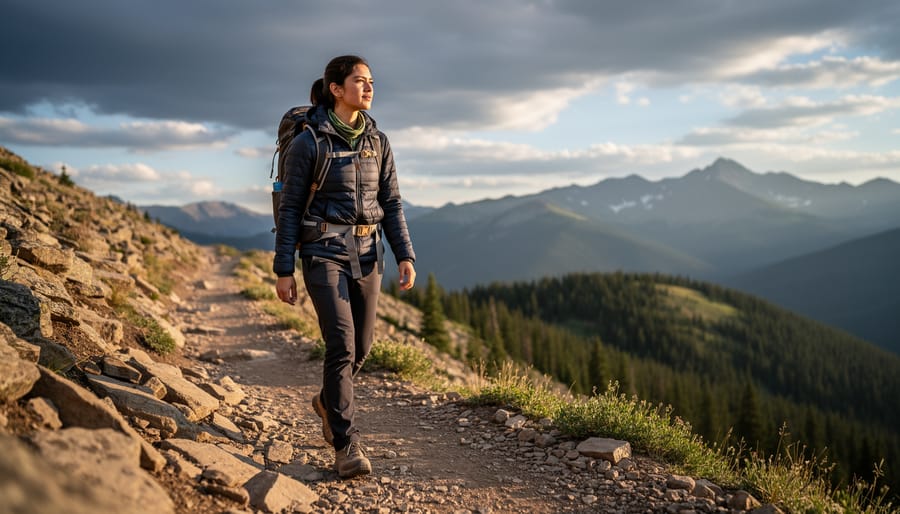
Weight and Packability
Every ounce matters when you’re hiking at altitude. A pack that weighs 12 ounces, like the WaterField Packable Backpack, puts significantly less strain on your shoulders and back than a two-pound model, a difference you’ll feel acutely on Dillon’s steep ascents where thin air already taxes your energy reserves. Over a six-mile climb to Ptarmigan Peak, that saved weight translates to less fatigue and more enjoyment.
Packable designs offer a practical advantage for visitors flying into Denver. These bags compress into a pocket-sized bundle when empty, taking up minimal luggage space until you need them for a spontaneous trail run or afternoon hike around Lake Dillon. Look for models that fold or roll into an integrated stuff sack without sacrificing structural integrity when deployed. The trade-off is often fewer organizational pockets, but for minimalist hikers who prefer a single main compartment and exterior bottle sleeves, that simplicity works perfectly for short Dillon outings where you’re carrying just water, snacks, and a rain shell.
Material Strength and Durability
Fabric durability determines whether your pack survives one season or ten on Dillon’s rugged trails. Denier (D) ratings measure fabric thickness, higher numbers mean tougher material. A 70D fabric, for instance, strikes a solid balance between abrasion resistance and weight, handling scrapes against granite outcrops and pine bark without adding bulk. For context, ultralight packs often use 30-50D fabrics that save ounces but tear more easily, while heavy-duty expedition bags may use 210D or higher.
Colorado’s rocky terrain demands abrasion-resistant fabric on high-contact zones: the bottom panel, shoulder straps, and anywhere the pack rubs against rock faces during scrambles. Look for reinforced stitching and bar-tack construction at stress points.
Water resistance matters year-round in Dillon. Most small hiking bags use DWR (durable water repellent) coatings that shed light rain and snow, but they’re not waterproof. Afternoon thunderstorms can soak through standard coatings in minutes, so consider packs with waterproof zippers or plan to pack a separate rain cover for electronics and extra layers.
Fit, Ventilation, and Carrying Comfort
A pack that doesn’t fit your torso properly will shift weight onto your shoulders and cause fatigue on even short climbs. Most small hiking bags come in standard sizing, but better models offer adjustable torso lengths through sliding harness systems. At Dillon’s altitude, above 9,000 feet, proper weight distribution matters more than at sea level because your cardiovascular system is already working harder. Test a pack by loading it with 10-15 pounds and walking around the store; the hip belt should sit on your hip bones, not your waist, transferring most of the load off your shoulders.
Back panel ventilation becomes critical during summer ascents when Dillon temperatures can hit 75°F by midday. Look for mesh-suspended back panels that create airflow between the pack and your spine. The Osprey Talon 22 uses a tensioned mesh design that keeps the pack slightly off your back, reducing sweat buildup on steep climbs like the trail to Sapphire Point.
Gender-specific designs aren’t just about color choices. Women’s packs like the Osprey Tempest 22 feature narrower shoulder straps, a shorter torso range, and hip belts shaped for wider hips. These differences affect how the pack rides during descents on rocky terrain. If you’re between sizes or shopping for a partner, have them try on both versions, fit trumps the label.
Types of Small Hiking Bags Compared
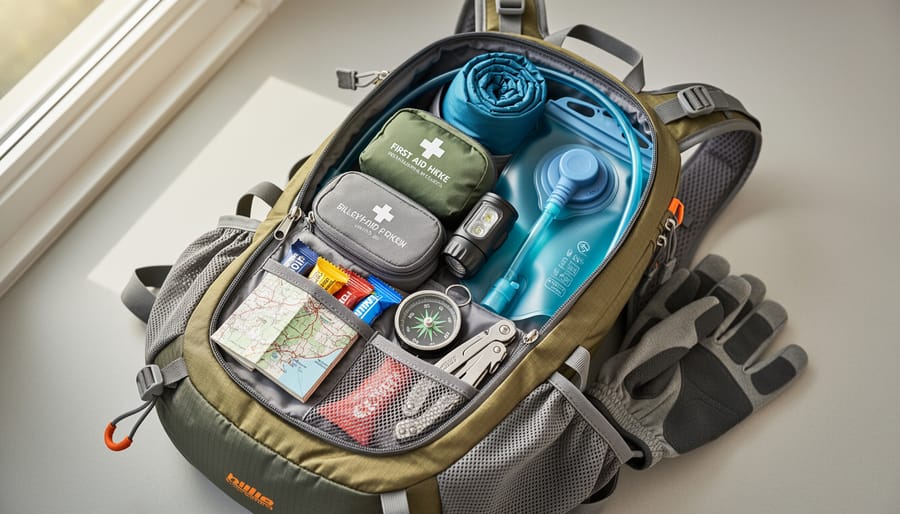
Small hiking bags aren’t one-size-fits-all. The category breaks into three distinct types, each suited to different hiking styles and trail conditions around Dillon.
Minimalist lumbar and fanny packs (0.5-9 liters) ride on your hips rather than your shoulders. These ultralight options work best for quick morning scrambles where you need just the essentials: water bottle, phone, energy bar, and keys. At Dillon’s altitude, you’ll appreciate how they keep weight off your back when you’re already working harder to breathe. The smallest 0.5-liter models handle wallet-and-phone errands, while 9-liter lumbar packs can squeeze in a light jacket and snacks for short hikes near Silverthorne. The trade-off is simple: you gain mobility and ventilation but sacrifice room for layers or emergency supplies.
Ultralight daypacks (15-20 liters) occupy the middle ground. They’re designed for hikers who’ve mastered the art of packing light but need more capacity than a fanny pack offers. Around Dillon, this range handles half-day hikes where you’ll face elevation gain and potential weather shifts. You can fit a rain shell, first-aid basics, extra water, and lunch without the pack feeling like a burden. These work well for summer summit attempts when afternoon thunderstorms demand preparation but you don’t want to haul winter gear.
Standard small daypacks (20-30 liters) offer the most versatility for Dillon’s mountain environment. The 22-liter sweet spot, exemplified by packs like the Osprey Talon 22 and REI Flash 22, accommodates everything a responsible Colorado day hiker needs: multiple layers for rapid temperature changes, hydration system, ten essentials, and room left over for a headlamp if your hike runs long.
- Lumbar packs: Best for paved lakeside trails and 2-hour peak-season hikes; skip them for exposed alpine routes or when carrying winter safety gear
- Ultralight daypacks: Ideal for summer ridge trails and experienced hikers who pack efficiently; limited space becomes risky during shoulder seasons
- Standard small daypacks: Perfect for all-day summit pushes, variable weather conditions, and any hike where you need the ten essentials; slightly heavier but worth it for Dillon’s unpredictable mountain climate
The right choice depends less on the trail’s mileage and more on elevation gain, exposure, and season. A gentle 5-mile lakeside loop might justify a fanny pack in July, but that same distance on an exposed ridge in October demands the full capacity of a 22-liter pack when temps can swing 40 degrees between trailhead and summit.
Top Small Hiking Bag Recommendations for 2026
Best Overall: Osprey Talon 22 and Tempest 22
The Osprey Talon 22 and its women’s counterpart, the Tempest 22, deliver the best balance of capacity, comfort, and features for Dillon’s high-altitude trails. At $175, they sit in the mid-premium range, but the investment pays off in durability and versatility across all four seasons.
The 22-liter capacity hits the sweet spot for day hikes around Dillon Reservoir or up to Lily Pad Lake. You can pack extra layers for sudden afternoon storms, stash a 2-liter hydration bladder, and still have room for lunch and a first-aid kit without feeling like you’re hauling bricks up switchbacks. The dual side pockets hold water bottles within easy reach, crucial when you’re breathing hard at 9,000 feet.
What sets these packs apart is the suspension system. The BioStretch harness moves with you during scrambles, while the adjustable hipbelt transfers weight off your shoulders on longer treks. Back panel ventilation keeps sweat manageable even during summer climbs. The Tempest offers a shorter torso length and contoured straps for women, not just a color swap.
Small details matter on the trail: the removable lid converts to a standalone pouch, attachment points let you lash trekking poles, and the single-compartment design means you won’t waste time digging through multiple zippers when weather turns.
Best Budget Option: REI Co-op Flash 22
The REI Co-op Flash 22 proves you don’t need to spend $175 to get a capable small hiking bag for Dillon’s trails. This lightweight daypack strips away unnecessary extras while keeping the essentials that matter for all-day comfort on high-altitude hikes.
What makes the Flash 22 stand out is its impressive mobility-to-price ratio. The pack’s minimal frame and streamlined design eliminate bulk without sacrificing carrying capacity in the 15-30 liter sweet spot. You’ll notice the difference on steep switchbacks up to Sapphire Point or Buffalo Mountain, where excess weight compounds quickly at elevation.
The pack includes enough organization for day hike essentials, water, layers, snacks, first aid, without the feature bloat that drives up cost on premium models. Mesh side pockets keep water bottles accessible, and the main compartment opens wide for easy packing when you’re layering up for Dillon’s unpredictable afternoon weather.
For hikers who want proven quality without premium pricing, the Flash 22 delivers dependable performance across Dillon’s varied terrain, from lake loops to exposed alpine routes.
Best for Minimalists: WaterField Packable Backpack
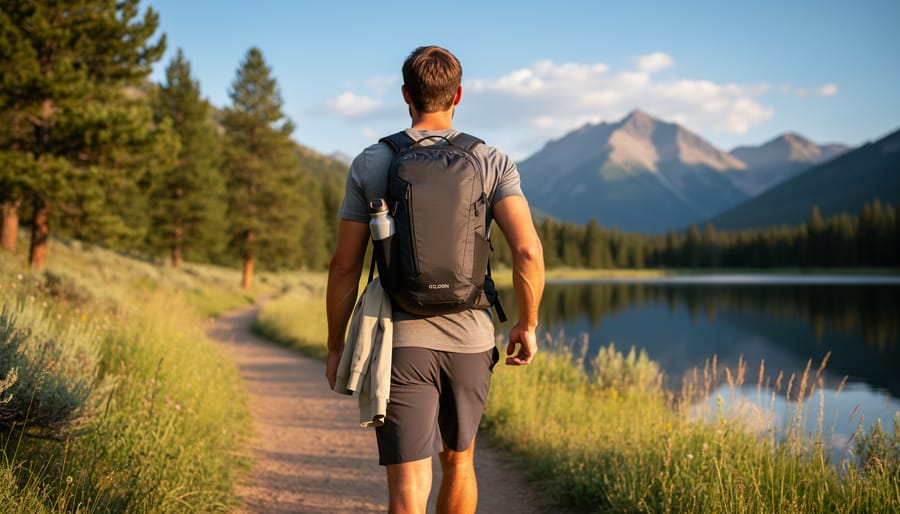
The WaterField Packable Backpack delivers exactly what minimalist hikers need: a 16-liter bag that weighs just 12 ounces and compresses into its own pocket when not in use. This makes it perfect for visitors to Dillon who want a lightweight secondary option for spontaneous trail excursions or quick jaunts to Summit County viewpoints without committing to a full-sized daypack.
At 16 liters, it sits at the lower end of the day hiking sweet spot, offering enough room for a shell layer, snacks, water bottle, and essentials for two to three hour outings on trails like Sapphire Point or the Officers Gulch interpretive path. The packable design means you can stash it in your luggage or main pack, then deploy it for short explorations around Dillon Reservoir or impromptu sunset hikes.
The trade-off is straightforward: you gain portability and featherweight comfort but sacrifice organizational pockets and load-bearing features found on heavier packs. For minimalists who prefer to travel light and hike fast on shorter Dillon routes, that exchange works beautifully.
Common Mistakes to Avoid When Buying a Small Hiking Bag
First-time buyers regularly choose bags that feel “perfect” in the store but fail on the trail. The biggest mistake? Underestimating capacity needs for Dillon’s unpredictable mountain weather. You might start a hike in 70-degree sunshine, but afternoon thunderstorms can drop temperatures 20 degrees in minutes. A 15-liter pack may seem adequate for a quick morning trek, yet it won’t hold the rain shell, insulation layer, and emergency supplies you’ll need when conditions shift. Aim for the 20-30 liter range to accommodate Colorado’s weather swings without hauling excess bulk.
Many hikers also ignore load distribution, especially critical above 9,000 feet where every ounce feels heavier. A small pack without a proper hip belt forces your shoulders to carry the entire load, leading to fatigue on longer routes with elevation gain. When tackling trails with steep switchbacks guide terrain, that shoulder strain compounds quickly. Look for packs with at least a minimal hip belt and load-lifter straps, even in the 22-liter range.
Hydration compatibility gets overlooked surprisingly often. You spot a stylish pack on sale, buy it immediately, then realize it has no sleeve for a reservoir and no external pockets for water bottles. On dry Colorado trails, that’s a deal-breaker. Verify the pack accommodates your preferred hydration method before purchasing.
Finally, skipping the fit test is expensive. Order online without trying the pack loaded with weight, and you might discover too late that the torso length doesn’t match your frame or the straps dig into your shoulders under load. Test packs with at least 10 pounds inside, walk around the store, and adjust every strap. Function beats aesthetics every time.
Matching Your Small Hiking Bag to Dillon’s Trails and Weather
Dillon’s high-altitude environment demands smart bag selection and packing strategy. At 9,111 feet, the air is thinner, weather shifts fast, and what feels like a warm morning can turn into a soaking afternoon thunderstorm within hours. Your small hiking bag needs to handle these rapid changes while keeping weight low enough that you don’t exhaust yourself climbing to treeline.
For popular trails like Sapphire Point or the Mesa Cortina Trail, a 22-liter pack gives you enough room for the Ten Essentials plus layers. Summer thunderstorms typically roll in between 2 and 4 p.m., so even a short morning hike requires rain protection. Pack a lightweight shell jacket in an outer pocket where you can grab it without stopping, and consider a pack with a rain cover or water-resistant fabric. Winter hikes demand more capacity because you’ll carry insulating layers, extra gloves, and emergency gear, pushing toward that 30-liter upper range. The dry, cold air also means carrying more water than you’d think; a bag with external bottle pockets or hydration sleeve compatibility keeps liquids accessible.
- Spring (April-May): Extra base layer, hat and gloves, sunscreen, 2 liters water
- Summer (June-August): Rain jacket, sunhat, electrolyte tabs, 2.5 liters water
- Fall (September-October): Insulating layer, beanie, headlamp, 2 liters water
- Winter (November-March): Puffy jacket, balaclava, hand warmers, thermos, 2 liters water
Understanding survival priorities shapes how you pack a small bag, shelter and warmth come before food, so your rain shell and spare layer earn their space even on short trips. For exposed routes above 10,000 feet, include the wilderness survival basics: fire starter, emergency blanket, whistle. A well-chosen small bag forces you to prioritize what truly matters, which keeps you safer than hauling unnecessary weight up Dillon’s steep, oxygen-thin trails.
Frequently Asked Questions About Small Hiking Bags
What size bag do I need for a 5-mile day hike around Dillon?
A 15-22 liter pack works perfectly for most 5-mile Dillon day hikes, giving you room for water, snacks, a first aid kit, and an extra layer without unnecessary bulk. The Osprey Talon 22 or REI Flash 22 both fall in this sweet spot and handle typical day-hike loads comfortably.
Can a 22L bag hold winter layers for high-altitude hikes?
Yes, but you’ll need to pack strategically. A 22-liter pack can fit an insulated jacket, lightweight gloves, and a beanie if you compress layers into stuff sacks and keep gear minimal. For full winter outings with bulkier clothing, consider moving up to the 25-30 liter range or wearing your heavier layer on the trail.
Are small hiking bags suitable for Colorado’s altitude and weather changes?
Absolutely, as long as you plan for Dillon’s rapid weather shifts. The 15-30 liter capacity gives you enough space for essential weather basics like rain protection and sun gear, which matter more at high elevation than sheer pack volume. Prioritize compartments that keep critical items accessible when afternoon storms roll in.
What’s the difference between men’s and women’s small packs?
Women’s models like the Osprey Tempest 22 feature shorter torso lengths, narrower shoulder straps, and hip belts contoured for different body shapes compared to the men’s Talon 22. Both versions hold the same 22 liters, but the fit adjustments make a real difference in comfort on longer trails.
Packing efficiently in a small bag comes down to using every pocket with purpose. Store your heaviest items (water, food) close to your back and high in the pack to maintain balance on steep Dillon terrain. Roll clothing instead of folding it, use carabiners to clip bulky items like trekking poles to the outside, and designate specific pockets for quick-access essentials like sunscreen and trail snacks. The WaterField Packable Backpack’s 16-liter capacity proves you can get by with less when you eliminate redundant gear and commit to a minimalist mindset. Test your packing system on a short hike before tackling longer routes, adjusting load distribution until the bag feels like an extension of your body rather than a burden.
Finding the right small hiking bag comes down to honest assessment of your needs against Dillon’s demanding conditions. A 22-liter pack might seem minimal until you’re carrying winter layers at 9,000 feet, wondering if you brought enough gear for an afternoon thunderstorm. The Osprey Talon 22 at $175 represents smart money for most hikers tackling these trails, but the REI Flash 22 proves you don’t need premium pricing for solid performance. Ultralight travelers visiting from lower elevations will appreciate how the WaterField’s 16-liter capacity and 12-ounce weight disappear in luggage until needed.
Test the fit before you commit. Walk around the store wearing the loaded pack, adjust the straps, bend forward as if scrambling over rocks. Your shoulders and hips will tell you what online reviews can’t. Pack for Dillon’s weather swings, not just the forecast. That extra fleece and rain shell have saved more hikes than any gear review ever will.
Our site covers local campgrounds, trail conditions, and seasonal safety tips throughout Summit County. Grab your properly sized pack and get out there. These mountains reward preparation.