
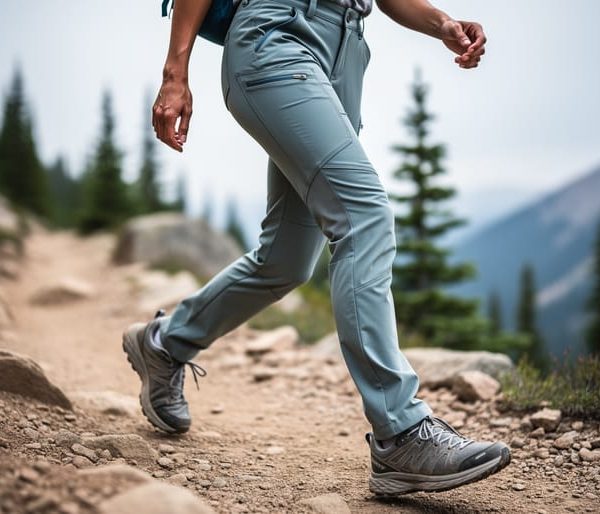
The best hiking pants for women in 2026 combine stretch fabric for scrambling over boulders, quick-dry materials for creek crossings, and a fit that transitions from trailhead to town without feeling like you’re still in your sleeping bag. After testing dozens of pairs on everything from the gentle Sapphire Point Overlook Trail to the rugged scrambles around Officer’s Gulch near Dillon, the top picks balance breathability, durability, and freedom of movement for Colorado’s variable mountain conditions.
Your choice hinges on three factors: the terrain you’re tackling, weather unpredictability in the Rockies (afternoon thunderstorms are a given from June through August), and whether you prioritize packability or armored durability. A lightweight softshell handles technical terrain and sudden temperature drops better than traditional hiking pants, while convertible options shine on exposed trails where morning starts in the 40s but afternoons climb into the 70s.
The Patagonia Quandary ($99) leads as the most sustainable and versatile all-rounder, built with NetPlus recycled fishing nets and enough stretch for high-stepping over deadfall. For tighter budgets, the REI Co-op Trailmade ($80) delivers UPF 50+ sun protection and moisture-wicking performance without compromise. If you’re logging serious miles on alpine trails, the Outdoor Research Ferrosi ($110) offers the mobility of leggings with the coverage of traditional pants.
Understanding what separates a $80 pair from a $200 investment matters when you’re three miles into a hike and regretting your choice. This guide cuts through marketing hype to show you exactly what to look for, which pant types match different hiking styles around Summit County, and the mistakes that leave many hikers uncomfortable or underprepared on the trail.
What to Look for in Women’s Hiking Pants
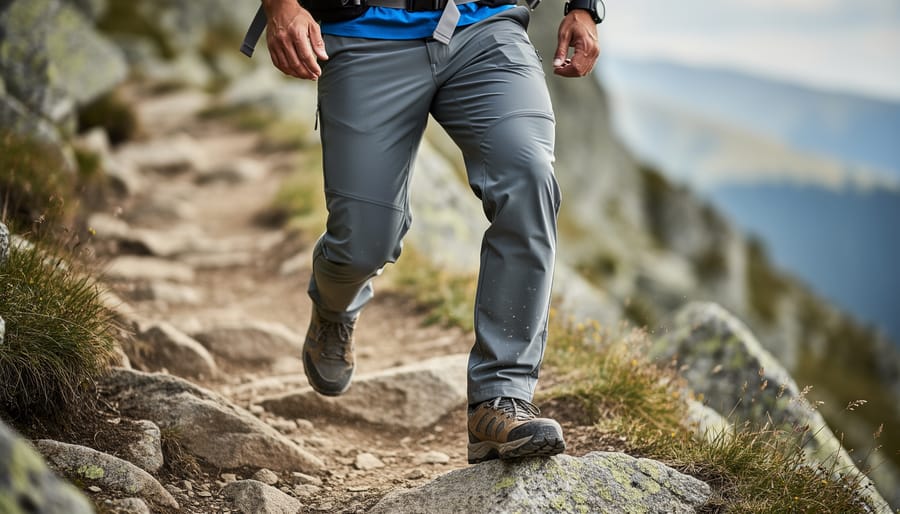
Choosing the right hiking pants means looking beyond style and focusing on performance features that’ll keep you comfortable across Colorado’s wildly variable conditions. The difference between a frustrating hike and an enjoyable one often comes down to how well your pants handle everything from morning chill at Dillon Reservoir to afternoon sun on exposed ridgelines.
Start by evaluating these essential features:
- Comfort and fit, pants should sit naturally at your waist without binding or gapping, with enough room through the hips and thighs for unrestricted movement
- Range of motion, look for articulated knees, gusseted crotches, and stretch fabric that moves with you during high steps and scrambles
- Fabric durability, abrasion-resistant material in high-wear zones withstands rock contact and repeated use without tearing or pilling
- Breathability and moisture-wicking, synthetic or merino-blend fabrics pull sweat away from your skin and dry quickly during exertion
- Weather protection, DWR coating or water-resistant fabric sheds light rain and morning dew without adding bulk
- Weight, lighter pants pack smaller and feel less restrictive, but not at the expense of durability for rugged terrain
- Pockets and storage, secure zippered pockets keep essentials safe, while cargo pockets add capacity without interfering with a small hiking bag or hip belt
- Sustainability credentials, recycled materials, Fair Trade certification, and repair programs matter if you want gear that aligns with conservation values
Mobility deserves special attention. Squat down, lift your knee to waist height, and stretch into a lunge before buying. Pants that feel fine standing in a store can bind uncomfortably on steep ascents or technical scrambles. Articulated knees, pre-shaped curved seams, follow your leg’s natural bend and prevent fabric from pulling tight.
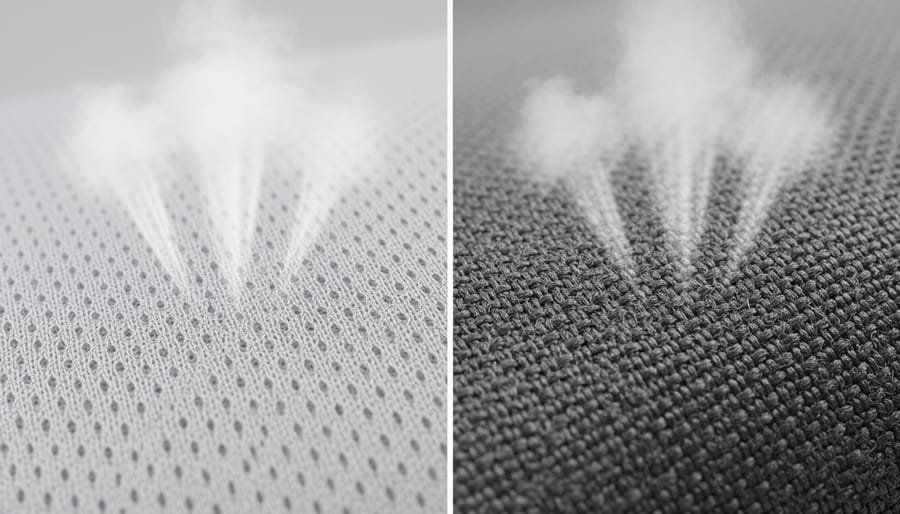
Breathability becomes critical at elevation. Synthetic fabrics like nylon or polyester blends dry faster than cotton and regulate temperature better during strenuous climbs. For shoulder-season hiking around Dillon, where you might start at 40°F and finish at 70°F, look for pants with thigh vents or convertible zip-off legs that adapt to changing conditions without requiring a clothing swap mid-trail.
Weather resistance doesn’t mean you need fully waterproof pants for most day hikes. A DWR finish sheds drizzle and dries quickly, which handles Colorado’s brief afternoon thunderstorms better than non-breathable rain pants that trap sweat. For extended exposure or wet environments, consider softshell pants that balance water resistance with breathability.
Durability matters most on rocky trails where repeated contact with granite and sandstone tests fabric strength. Reinforced panels at the knees and seat extend lifespan, and ripstop weaves prevent small tears from spreading. The difference between budget and premium pants often shows up after 50 miles of use, when cheaper materials start pilling or losing shape.
Types of Women’s Hiking Pants Compared
When you stand at a trailhead around Dillon, the pants you’re wearing can make or break your hike. Women’s hiking pants come in four main categories, each designed for different conditions and activities across Colorado’s varied terrain.
Standard hiking pants are the workhorse of trail wardrobes. These full-length pants typically feature durable fabric with stretch panels for mobility, articulated knees, and enough pockets to carry essentials. They excel on moderate-temperature hikes where you need consistent coverage, like spring mornings along the Dillon Reservoir or autumn treks through aspen groves. The Outdoor Research Ferrosi pants represent this category well at $110, offering stretch fabric that moves naturally while standing up to brushy trails. Standard pants work best when temperatures stay relatively stable and you won’t need to adjust your coverage throughout the day.
Convertible pants give you two pieces of gear in one. Zippers at mid-thigh let you transform them into shorts when temperatures climb or you drop elevation. The REI Co-op Sahara Convertible at $90 demonstrates why this style remains popular: you start a dawn hike in cool conditions with full coverage, then zip off the legs when the sun hits open slopes above treeline. Convertibles shine on shoulder-season hikes where morning frost gives way to afternoon warmth, or any time weather becomes unpredictable. The trade-off is added weight from zippers and the slight bulk around your thighs, but that versatility proves invaluable on Colorado’s elevation-variable trails.
| Pant Type | Best Conditions | Key Advantages | Ideal Activities |
|---|---|---|---|
| Standard Hiking Pants | Moderate temps, stable weather | Durability, mobility, consistent coverage | Day hikes, scrambling, brushy trails |
| Convertible Pants | Variable temps, elevation changes | Versatility, adjustable coverage | All-day hikes, shoulder seasons, alpine routes |
| Softshell Pants | Wind, light precipitation, cool weather | Weather resistance, warmth without bulk | Early season, windy ridges, multi-day trips |
| Lightweight Pull-on Pants | Warm weather, high mobility needs | Minimal weight, fast-drying, comfort | Summer hikes, hot climates, travel |
Softshell pants add a layer of weather protection without the stiffness of hardshells. The Arc’teryx Gamma at $200 shows what premium softshell construction offers: a tightly woven outer layer that blocks wind and sheds light rain while maintaining breathability. These pants feel warmer than standard hiking pants but stretch better than you’d expect. Choose softshells for exposed ridgeline hikes where wind cuts through lighter fabrics, or for early-season trips when snowmelt keeps trails damp. Around Dillon, they’re ideal for May and June hikes when weather shifts rapidly between sun and squalls.
Lightweight pull-on pants strip away every non-essential feature for maximum comfort in warm conditions. The REI Co-op Trailmade at $80 uses lightweight, breathable, UPF 50+, moisture-wicking material with an elastic waistband instead of traditional closures. These pants dry fast after creek crossings and pack down small for travel. They work best on summer trails where heat and sun exposure dominate, like midday hikes around the reservoir or desert canyon trips. The compromise is less durability than heavier options and minimal weather protection, but when temperatures push past 75 degrees, that barely matters.
Your choice depends less on what’s “best” overall and more on matching pant type to your specific conditions. A multi-day Rocky Mountain backpacking trip demands different features than a two-hour lakeside stroll.
Top Hiking Pants for Women in 2026
Best Overall & Most Sustainable: Patagonia Quandary
The Patagonia Quandary ($99) stands out for combining reliable trail performance with genuine environmental responsibility. These pants use recycled nylon with a DWR finish that sheds light moisture without weighing you down, and they move easily over rocky terrain or steep switchbacks. The fit strikes a balance between athletic cut and comfort, with articulated knees that flex naturally whether you’re scrambling over boulders near Ptarmigan Peak or navigating steep descents.
What sets the Quandary apart is Patagonia’s commitment to sustainability without compromising function. The fabric holds up to regular use, the pockets sit where you actually need them, and the mid-weight construction works across three seasons in Colorado. At $99, they cost more than budget options but deliver the durability and performance that justify the investment for serious hikers.
Best Budget Option: REI Co-op Trailmade
The REI Co-op Trailmade at $80 delivers impressive performance without stretching your budget. These pull-on pants use lightweight, moisture-wicking fabric with built-in UPF 50+ sun protection, making them ideal for exposed summer hikes around Dillon Reservoir where shade can be scarce. The breathable material keeps you comfortable during steep climbs without the bulk of heavier fabrics, and the pull-on design eliminates the hassle of zippers and buttons. While they may lack some premium features found in pricier options, they cover the essentials exceptionally well. If you’re curious about where these fit into the broader women’s hiking clothing cost spectrum, the Trailmade represents excellent value for occasional hikers and those building their first proper trail wardrobe.
Most Comfortable: Outdoor Research Ferrosi
The Outdoor Research Ferrosi ($110) consistently ranks as the most comfortable choice for long trail days because of its exceptional four-way stretch fabric that moves naturally with your body. Unlike stiffer pants that bind at the knees or waist during steep climbs, the Ferrosi’s blend of nylon and spandex delivers unrestricted mobility whether you’re scrambling over boulders or settling into camp. The fabric’s breathability prevents that clammy, overheated feeling on summer ascents, while the articulated knees and gusseted crotch eliminate pressure points that cause chafing on extended hikes. The relaxed fit through the hips and thighs accommodates layering underneath when you need it, making these pants adaptable to shifting conditions, a practical consideration when you’re heading out without mastering weather basics for Colorado’s unpredictable mountain climate. Women consistently praise the Ferrosi for feeling broken-in from day one, with no stiff adjustment period required.
Best Softshell: Arc’teryx Gamma
The Arc’teryx Gamma ($200) represents the premium end of hiking pants, and that investment buys you genuine softshell performance for serious mountain conditions. The stretchy, weather-resistant fabric blocks wind and light precipitation while maintaining breathability during high-output climbs, crucial when you’re pushing up exposed ridgelines around Dillon where weather shifts fast. The articulated knees and gusseted crotch deliver unrestricted range of motion on steep scrambles, and the DWR finish sheds moisture without the crinkly feel of hardshell pants. This pair makes sense if you regularly tackle alpine terrain, need a single pant that transitions from chilly morning starts to warm afternoons, or want gear that’ll last years of hard use. For casual day hikers sticking to maintained trails, less expensive options handle the job just fine.
Most Durable: Fjallraven Vidda Pro Ventilated
The Fjallraven Vidda Pro Ventilated ($190) delivers unmatched toughness for Colorado’s rockiest, most technical trails. These pants use G-1000 fabric, a tight-weave poly-cotton blend you can reinforce with Greenland Wax in high-wear zones like knees and seat. The ventilated design adds zippered thigh vents for airflow on steep climbs without sacrificing abrasion resistance. Reinforced knees handle scrambles over talus fields and granite slabs, while the straight-leg cut accommodates knee pads if you’re tackling Class 3 routes. They’re heavier than ultralight options, but that weight translates to pants that won’t shred on aggressive bushwhacking or multi-day treks through dense forest. If you regularly hike rugged terrain around Dillon and need pants that last seasons, not months, the Vidda Pro Ventilated justifies the investment.
Best Convertible: REI Co-op Sahara Convertible
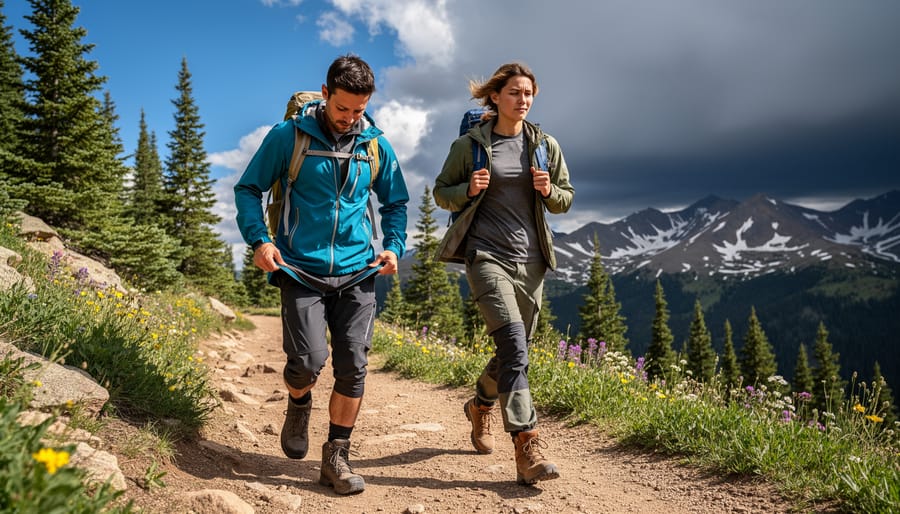
The REI Co-op Sahara Convertible ($90) solves Colorado’s notorious temperature swings without forcing you to carry backup shorts. Zip-off legs convert these pants to shorts in seconds when you climb into direct sun or midday heat hits above treeline. The lightweight nylon dries fast after creek crossings and packs down small enough to justify bringing them even when you’re unsure about the weather forecast.
What makes these convertible pants work for Summit County trails is the four-way stretch fabric that moves with you on steep, rocky sections without the stiff feel of traditional convertibles. UPF 50+ sun protection matters on exposed ridgelines, and the articulated knees handle the constant elevation changes from Dillon Reservoir up to alpine zones. Multiple pockets keep essentials accessible whether you’re wearing them as pants or shorts, which proves useful when conditions shift three times in a single hike.
Common Mistakes to Avoid When Buying Hiking Pants

The biggest mistake women make is buying hiking pants based on appearance rather than how they’ll perform on steep switchbacks and rocky terrain. That stylish pair might look great in the store mirror, but if the fabric restricts your step height or the waistband digs in when you bend to tie your boots, you’ll regret it three miles into a Colorado trail.
Many hikers also choose the wrong fabric weight for the season. Lightweight pants like the REI Trailmade work beautifully in July heat but leave you shivering on October shoulder-season hikes when temperatures swing thirty degrees between trailhead and summit. Colorado’s high-altitude environment demands versatility. Similarly, ignoring layering compatibility creates problems. Pants with bulky seams or non-tapered legs won’t fit under rain pants or gaiters when weather turns, and overly tight fits prevent adding thermal layers underneath during early-morning starts.
Pocket placement seems minor until you’re fumbling for your phone or energy bar with a pack on. Cargo pockets that sit too low hit the top of your boots with every step. Shallow pockets drop items when you sit for breaks. Look for secure, accessible storage positioned where it won’t interfere with your stride or hip belt.
Another oversight is buying without considering weather-specific features for high-altitude conditions. Pants without articulated knees restrict movement. Lack of reinforced fabric at wear points means holes develop quickly on granite scrambles. Missing ankle zippers make it impossible to get pants on or off over hiking boots without stripping down completely.
Finally, some shoppers fixate on a single feature and ignore the complete package. A pair might have excellent water resistance but terrible breathability, leaving you soaked from sweat instead of rain. The Patagonia Quandary balances these factors well at $99, while budget options like the REI Trailmade at $80 prove you don’t need premium prices for solid performance. Test comprehensively rather than checking boxes on isolated specs.
Matching Hiking Pants to Dillon-Area Trails
Dillon’s high-altitude trails demand pants that can handle rapid weather shifts and rugged terrain. When you’re hiking above 9,000 feet, conditions can change from sunny and warm to windy and cold within an hour, making convertible options like the REI Co-op Sahara Convertible essential for temperature management.
For summer alpine hikes around Sapphire Point or Ptarmigan Peak, lightweight pants with strong breathability work best. The REI Co-op Trailmade excels here with its moisture-wicking fabric and UPF 50+ protection, keeping you cool during exposed ridgeline sections where shade is scarce. Pack an extra layer regardless, afternoon thunderstorms build quickly in the Rockies, and you’ll want coverage when temperatures drop.
Shoulder-season adventures in April, May, September, and October call for more versatile options. Softshell pants like the Arc’teryx Gamma provide wind resistance and light water repellency for those unpredictable spring snowstorms or fall drizzle. The stretch fabric handles steep elevation gains without restricting movement, crucial for switchback-heavy trails near Wheeler Lakes.
Rocky, technical sections on Dillon Reservoir hikes demand durable fabrics that resist abrasion. The Fjallraven Vidda Pro Ventilated stands up to scrambling over boulders and brushing against granite slabs without showing wear. Its reinforced knees and seat protect against the kind of rough contact you’ll encounter on trails like Buffalo Mountain.
One survival tip: always test your range of motion before hitting the trail. Squat low, lift your knees high, and reach in all directions. Restricted movement slows you down and increases injury risk on uneven terrain. Your pants should move with you, not against you, especially when navigating stream crossings or steep descents where balance matters most.
Consider the elevation changes too. A trail that starts at Dillon Reservoir and climbs 2,000 feet will take you through multiple climate zones in a single hike. Convertible pants let you adapt without carrying extra clothing weight.
Frequently Asked Questions
How do I know if hiking pants fit correctly?
The right fit allows you to lift your knees to chest height without restriction and perform a deep squat without tightness across the hips or thighs. When trying on pants, test the range of motion while standing, sitting, and bending, if the waistband digs in or the fabric pulls anywhere, size up or try a different cut. Look for a comfortable waist that sits where you prefer without gapping, and ensure the length works with your hiking boots without dragging or riding up excessively.
Are convertible hiking pants actually worth buying?
Convertible pants shine in Colorado’s unpredictable mountain weather, where you might start a trail in 45-degree fog and finish in 75-degree sunshine. The REI Co-op Sahara Convertible ($90) exemplifies this versatility, letting you adapt quickly to temperature swings without carrying extra clothing. They’re especially practical for shoulder-season hikes around Dillon when conditions shift dramatically with elevation changes, though some hikers find the knee zippers occasionally uncomfortable during extended wear.
How should I care for technical hiking pants?
Wash technical fabrics in cold water with mild detergent and skip fabric softener, which breaks down moisture-wicking properties. Air-dry when possible, or tumble on low heat if the care label allows.
What pants work best for summer versus fall hiking?
Summer demands lightweight, breathable options like the REI Co-op Trailmade ($80) with UPF 50+ protection and moisture-wicking fabric. Fall calls for midweight or softshell styles like the Arc’teryx Gamma ($200) that handle cooler temps and wind while maintaining breathability for uphill climbs.
Should I size up or down if I’m between sizes?
Size up if you plan to layer underneath for cold-weather hiking, or if you have muscular thighs that need extra mobility room. Size down only if you prefer a closer fit and won’t be wearing base layers, but never sacrifice movement for aesthetics.
Do I need different pants for day hikes versus backpacking?
Day hikers can prioritize comfort and breathability, while backpackers should focus on durability for repeated wear. The Fjallraven Vidda Pro Ventilated ($190) handles multi-day trips better than ultralight options that may not withstand constant use and heavier pack weight.
What about pocket placement and features?
Functional pocket design matters more than pocket quantity. Front hand pockets should be deep enough to secure your phone without it sliding out when you sit, and zippered thigh pockets keep essentials accessible without bouncing. Avoid pants with only back pockets, which become unusable when wearing a backpack. The Outdoor Research Ferrosi ($110) demonstrates smart pocket design with secure zipper closures that protect valuables on steep scrambles while remaining easy to access on the move.
The right hiking pants aren’t a one-size-fits-all purchase. They’re a careful balance of comfort for long miles, durability for rugged terrain, and weather protection tailored to where you actually hike. Whether you’re investing in the Patagonia Quandary at $99 for sustainable performance or starting with the REI Co-op Trailmade at $80, the key is finding pants that move with you and handle Colorado’s unpredictable conditions.
Before you buy, take time to test mobility. Squat, lunge, and reach overhead in the store or at home during the return window. Consider the elevation swings and weather shifts you’ll encounter on trails around Dillon, from exposed alpine ridges to shaded forest paths. The best pants for you match your specific hiking style and the environments you explore most.
Ready to plan your next Colorado adventure? Explore our camping guides, trail recommendations, and survival tips to make the most of every trip into the Rockies. The right gear starts with the right information.