
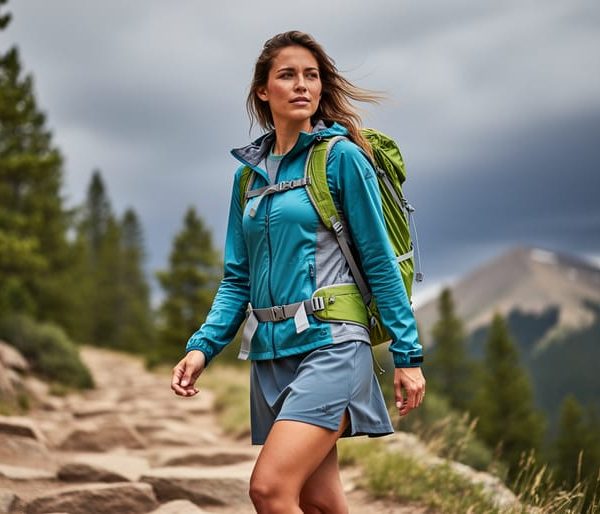
Choosing the right hiking clothes for women means balancing comfort, protection, and mobility across layers that handle Colorado’s mountain weather without weighing you down. For trails around Dillon, where temperatures swing 30 degrees between morning and afternoon and afternoon thunderstorms roll in fast, your clothing system needs to wick moisture, provide sun protection, and adapt quickly. That means moisture-wicking base layers, breathable mid-layers, and a packable waterproof shell, all in fits designed for the full range of motion hiking demands.
Here’s what’s changed in 2026: hiking dresses and skirts have moved from niche curiosity to legitimate trail gear. Recent testing of 17 adventure dresses, skirts, and skorts proves these aren’t just casual wear. They’re built with the same technical fabrics as hiking pants, often with built-in shorts underneath, multiple pockets, and UPF sun protection. The functional benefits are real: better airflow on steep climbs, no chafing at the waistband, easier bathroom breaks on the trail, and the versatility to go from trailhead to town without a wardrobe change.
Whether you’re gearing up for a sunrise scramble up Buffalo Mountain or a family hike around Sapphire Point, understanding what features matter and why certain materials perform better at altitude will help you build a wardrobe that keeps you comfortable across every season Dillon throws at you.
What Makes Hiking Clothes Different: Essential Features for Trail Performance
Hiking clothes do more than look sporty, they’re built to handle trail conditions that would leave everyday garments soaked, torn, or leaving you dangerously cold. The difference comes down to technical fabrics and purposeful design that manages sweat, adapts to weather shifts, and withstands the scraping, stretching, and exposure of mountain terrain.
Colorado’s mountain weather throws curveballs at hikers: you might start a Dillon trail in sunshine and face rain, wind, or dropping temperatures within an hour. Technical hiking fabrics handle this variability through moisture-wicking systems that pull sweat away from skin rather than absorbing it like cotton. Sweat-wicking materials keep you dry from the inside while breathable weaves allow excess heat to escape, preventing the clammy discomfort and heat exhaustion risk that come with trapped moisture.
Layering amplifies this adaptability. A system of base, mid, and outer layers lets you adjust insulation and protection as conditions change without carrying a full wardrobe. Materials like Merino wool blends combine warmth with breathability, some waterproof windproof Merino wool-blend designs even handle rain and gusts while maintaining comfort through temperature swings.
Look for these essential features when evaluating hiking clothes against everyday alternatives:
- Moisture-wicking technical fabrics that move sweat away from skin
- Breathable weaves that release heat without compromising weather protection
- Reinforced seams and abrasion-resistant materials for durability on rough terrain
- Water-resistant or waterproof outer layers for sudden rain
- Windproof panels or coatings to block mountain gusts
- Stretch or articulated cuts that allow full range of motion
- Quick-drying properties that prevent prolonged dampness
Durability matters more on trails than in town. Hiking clothes face rocks, branches, pack straps, and repeated washing. Quality pieces use reinforced fabric in high-wear zones and ripstop construction that prevents small tears from spreading. The goal isn’t just surviving the trail, it’s staying comfortable and safe while you’re out there, which everyday clothes simply weren’t designed to do.
Key Buying Factors for Women’s Hiking Clothes
Price and Value Considerations
Women’s hiking clothes span a wide price range, and understanding the tiers helps you invest wisely for Dillon’s demanding mountain conditions. Budget-friendly options start around $35 to $55, Decathlon’s waterproof hiking jacket at $34.99 and durable trekking pants at $54.99 prove you don’t need premium prices for functional gear. These entry-level pieces handle moisture-wicking and weather protection without breaking the bank, making them smart choices for occasional hikers building a basic wardrobe.
Mid-range options ($60 to $120) typically offer better durability, lighter materials, and features like technical fabric blends that perform across multiple seasons. Premium pieces ($150 and up) from brands like Patagonia deliver specialized technologies, waterproof windproof Merino wool blends, for example, that justify higher costs through versatility and longevity. For Colorado’s variable weather, prioritize pieces that do double duty: a quality waterproof layer protects you on exposed ridges and works for town errands, maximizing value per dollar spent.
When you’re comparing what hiking clothes cost weigh price against Colorado-specific needs rather than chasing brand names. A $50 jacket that keeps you dry during sudden afternoon thunderstorms outperforms a $200 piece that lacks weather protection for elevation changes around Dillon.
Materials That Matter on the Trail
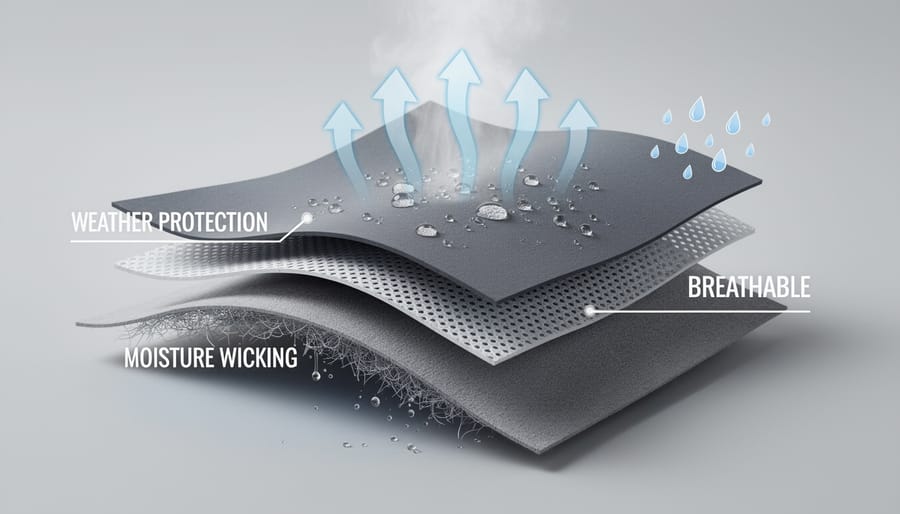
The fabrics you choose determine whether you stay comfortable or miserable on Dillon’s trails. Technical materials handle what cotton can’t: they pull moisture away from your skin, regulate temperature through elevation changes, and dry quickly when afternoon thunderstorms roll in.
Sweat-wicking synthetics like polyester and nylon form the foundation of most hiking clothes. These technical fabrics move perspiration to the outer surface where it evaporates, keeping you dry during steep climbs. They’re lightweight, durable against brush and rocks, and dry in hours rather than days. Many also offer UV protection for exposed Colorado sun.
Merino wool blends deliver natural temperature regulation that works year-round. The wool fibers insulate even when damp, resist odor during multi-day trips, and feel soft against skin without the scratchiness of traditional wool. Some manufacturers now combine Merino with synthetic fibers to add weather protection, creating fabrics that are both waterproof and windproof while maintaining breathability.
The best hiking clothes layer these materials strategically. Base layers should wick moisture, mid-layers provide insulation, and outer shells block wind and rain. This system adapts to Dillon’s dramatic weather shifts without requiring you to pack your entire closet.
Fit, Comfort, and Sizing Guidance
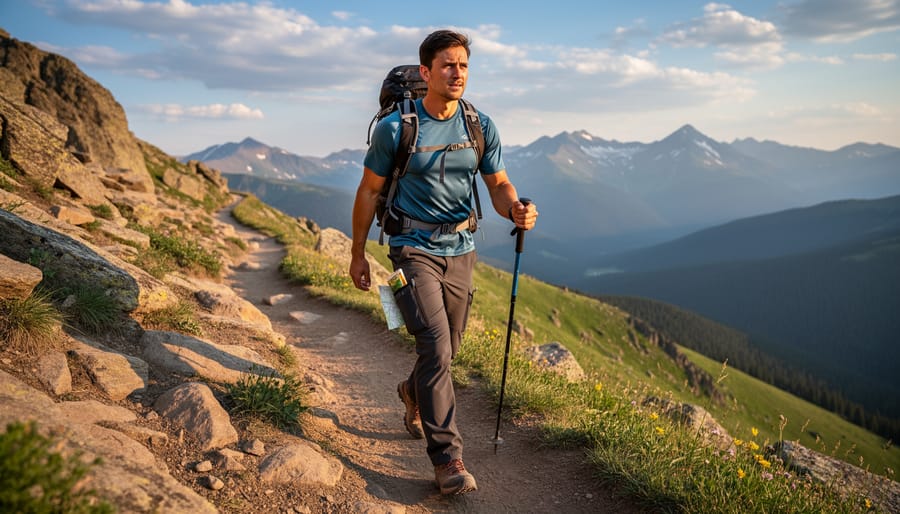
Proper fit is non-negotiable when hiking Colorado’s mountain trails. Clothes that are too tight restrict movement and circulation, while overly loose garments can cause chafing or catch on brush. For dresses and skirts, ensure built-in shorts or leggings stay in place during movement without riding up or binding at the thighs. Test the range of motion by doing high steps, squats, and reaching overhead before you buy.
Size up if you plan to layer underneath. A base layer plus a hiking dress or pants should allow free movement without pulling or bunching. At Dillon’s elevation, temperatures can swing 30 degrees between morning and afternoon, making layering essential for comfort and safety. Your outer layers need enough room to accommodate a moisture-wicking base without compression.
Pay attention to waistbands and seams. Look for flat-lock stitching that won’t rub during long trail days, adjustable waists that accommodate layers and snacks, and tagless designs. Gusseted crotches on pants and built-in shorts prevent binding when climbing steep sections or scrambling over rocks. Test pockets while wearing a pack, as hip belts can block access to poorly placed side pockets.
Types of Hiking Clothes Compared: From Dresses to Technical Layers
Hiking Dresses and Skirts: The Emerging Choice
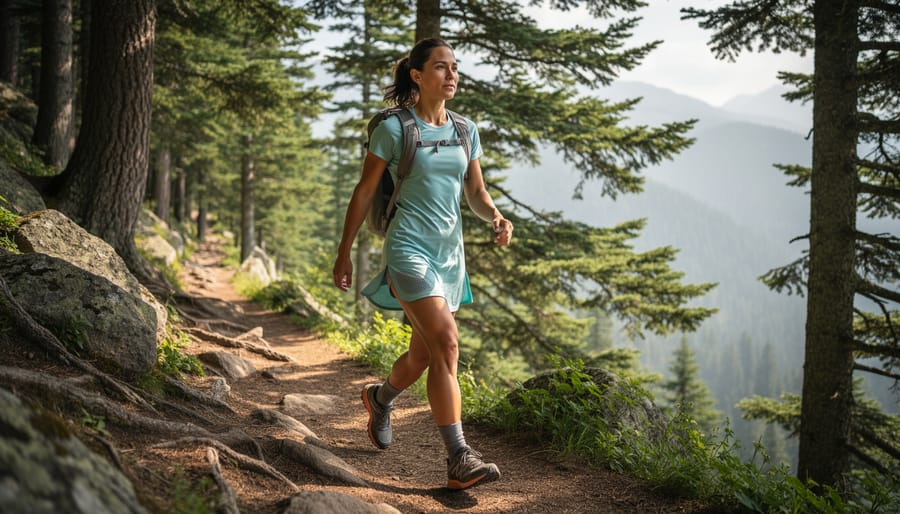
Hiking dresses and skirts have moved from novelty to legitimate trail gear, and the reasons are practical rather than just aesthetic. The core advantage is airflow. On hot summer days climbing Dillon’s exposed trails, a dress provides ventilation that hiking pants can’t match, keeping you cooler without sacrificing coverage thanks to built-in shorts or integrated leggings underneath.
The bathroom break factor is real. Anyone who has wrestled with layers, a hip belt, and tight trail pants on a steep mountainside understands why this matters. Dresses eliminate that struggle entirely, making pit stops faster and less awkward on busy Colorado trails.
Built-in shorts solve the modesty and chafing concerns that stopped earlier adopters. Modern hiking dresses pair the skirt portion with fitted shorts or compression leggings that provide full coverage for scrambling over rocks or sitting on logs. You get the freedom of a dress with the security of shorts.
The trailhead-to-town versatility appeals to travelers and locals alike. A technical hiking dress works for morning miles on the Peaks Trail, then transitions to lunch in Silverthorne without a wardrobe change. This matters for camping trips or weekend adventures where pack space is limited.
Colorado’s weather demands caution, though. Dresses excel in stable summer conditions but require thoughtful layering for variable mountain weather. Pair them with moisture-wicking leggings underneath for cooler mornings or sudden afternoon storms, and always carry a waterproof layer when heading above treeline where conditions shift fast.
Traditional Pants and Technical Bottoms
Traditional hiking pants remain the go-to choice for many women tackling Dillon’s rugged trails, and for good reason. Durable trekking pants offer comprehensive protection against brush, rocks, and sun exposure that dresses simply can’t match. When you’re scrambling over boulders or pushing through dense vegetation, full-leg coverage prevents scrapes and shields your skin from UV rays at elevation.
The weather versatility gives pants a clear edge in Colorado’s unpredictable mountain conditions. They provide warmth during early morning starts and shield against wind on exposed ridgelines. Many technical bottoms incorporate water-resistant treatments that shed light rain and morning dew, keeping you comfortable when clouds roll in unexpectedly. Decathlon’s durable trekking pants ($54.99) represent the affordable end of reliable options that handle varied terrain.
Pants excel when you’re hiking in cooler temperatures, facing harsh weather, or tackling technical trails with significant elevation gain. The protection and insulation matter most during shoulder seasons, above treeline, or on routes where you’ll be kneeling, sitting on rocks, or navigating challenging terrain. For winter hiking around Dillon, pants paired with proper base layers become essential rather than optional.
Choose pants over dresses when protection trumps ventilation, or when conditions demand full coverage for safety and comfort.
Layering Systems and Upper Body Options
Layering is your defense against Colorado’s unpredictable mountain weather, where morning chill gives way to afternoon sun and storms roll in without warning. A base layer should be sweat-wicking technical fabric, never cotton, that pulls moisture away from your skin. Lightweight synthetic or merino wool tops work year-round, providing warmth when it’s cold and breathability when you’re climbing.
Your mid-layer provides insulation. A fleece jacket or insulated hoodie traps warmth without bulk, and you can shed it quickly when temperatures rise or the trail gets steep. For Dillon’s elevation, prioritize pieces that pack small, you’ll carry layers you’re not wearing.
The outer shell is your weather protection. A waterproof, windproof jacket is non-negotiable for mountain hiking. Options like waterproof windproof merino wool-blend designs combine technical performance with natural fiber benefits, handling rain and wind while remaining breathable during exertion. Budget-friendly waterproof jackets start around $35, making weather protection accessible for every hiker.
Pack all three layers, even on clear mornings. Afternoon thunderstorms are common above treeline, and temperatures drop fast when clouds move in. The key is versatility: each piece should work independently and together, letting you adjust as conditions shift throughout your hike.
What to Look for in a Hiking Dress or Skirt
A hiking dress or skirt built for trails isn’t just about cute hiking fits it needs specific functional features to handle real hiking demands. The best designs prioritize performance without sacrificing the airflow and comfort that make dresses appealing.
Built-in shorts or leggings underneath are non-negotiable. They prevent chafing, add modesty on windy days or steep scrambles, and often include additional pocket space. Look for shorts that stay put without riding up and use moisture-wicking fabric rather than cotton liner material that holds sweat.
Pockets make or break trail functionality. You need enough capacity for essentials like your phone, snacks, and a small first aid kit without relying entirely on a backpack. Deep side pockets with secure closures work better than shallow decorative ones. Some designs add cargo pockets or zippered options on the shorts layer for valuables.
- Built-in shorts or leggings with moisture-wicking fabric
- Multiple deep pockets with secure closures
- Knee-length or slightly above for mobility and protection
- Stretchy, durable fabric that moves with you
- Quick-dry material rated for technical performance
- UPF sun protection for high-altitude exposure
Length matters more than you’d think. Too long restricts your stride and catches on brush; too short offers less sun and scrape protection. Knee-length or just above hits the sweet spot for Dillon trails, balancing coverage with freedom of movement.
The fabric should deliver contradictory qualities: lightweight yet protective, breathable yet insulating enough for elevation changes. Technical synthetics designed for hiking perform better than casual cotton blends. Stretch in the weave lets you step over logs and navigate rocky sections without restriction.
Weather adaptability separates trail-worthy dresses from fashion pieces. Fabrics should dry quickly after rain or stream crossings, resist wind on exposed ridges, and layer well under waterproof shells when storms roll in. All-season designs work in Colorado’s unpredictable mountain climate if they balance insulation with ventilation and pair easily with leggings or base layers underneath.
Recommendations: Building Your Dillon Hiking Wardrobe
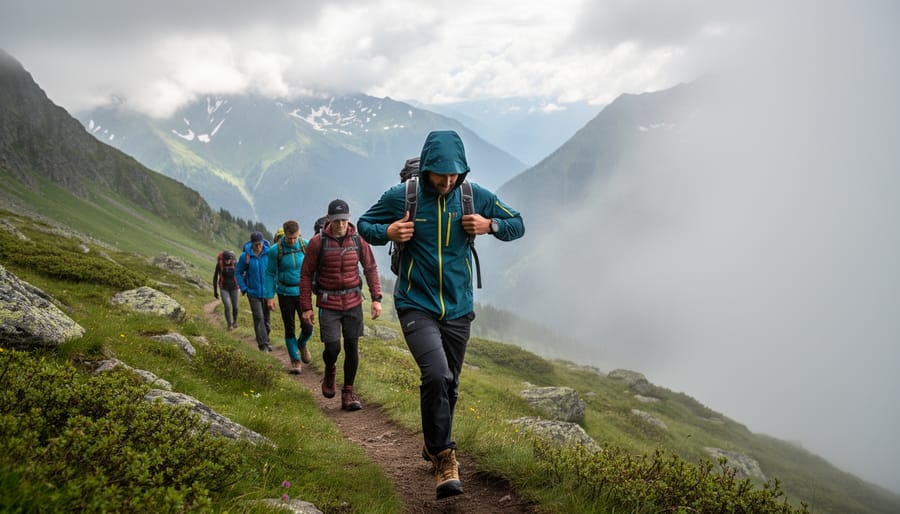
Essential Pieces for Colorado Mountain Hiking
Start with a moisture-wicking base layer that pulls sweat away from your skin during Dillon’s steep elevation gains. Technical synthetic tops or Merino wool blends work year-round and dry quickly when weather shifts. Budget around $35-55 for quality pieces that’ll last multiple seasons.
Your second priority should be a waterproof shell jacket. Colorado’s afternoon thunderstorms arrive fast above treeline, and a packable rain layer protects against wind and sudden downpours. Look for options in the $35-60 range that balance protection with breathability.
Add durable hiking pants or a technical dress with built-in shorts as your third essential. Pants offer scratch protection on brushy trails, while dresses provide airflow on hot summer hikes. Both should handle rough terrain without restricting movement. Expect to spend $50-80 for trail-worthy bottoms.
Round out your core wardrobe with an insulating mid-layer for cool mornings and higher elevations. A lightweight fleece or insulated jacket bridges the gap between your base and shell, crucial for Dillon’s variable mountain temperatures. This layering system covers most three-season conditions without overloading your pack or budget.
Seasonal Considerations for Dillon Trails
Dillon’s mountain climate demands different clothing strategies across the seasons. Summer (June through August) brings warm afternoons but cool mornings at higher elevations, a lightweight hiking dress with built-in shorts works well for lower trails, while technical layers remain essential for ascents above 10,000 feet where temperatures drop fifteen degrees or more. Pack a waterproof shell regardless of the forecast; afternoon thunderstorms develop quickly in the Rockies.
Shoulder seasons (April-May and September-October) present the greatest variability. Mornings start near freezing while afternoons reach the sixties. Layer a moisture-wicking base under a hiking dress or pair pants with a breathable mid-layer you can shed as the day warms. Wind protection becomes critical as gusts accelerate through mountain passes.
Winter conditions (November through March) require full technical systems. Skip dresses entirely, insulated pants, waterproof shells, and Merino wool bases handle subzero temperatures and snow-covered trails. Even “mild” winter days at Dillon’s 9,000-foot elevation demand serious cold-weather gear. Always check elevation profiles before choosing your outfit; trail conditions vary dramatically between valley floors and alpine ridges.
Versatile Combinations for Multi-Day Trips
Pack one versatile dress with built-in shorts as your foundation piece, it transitions from hiking to camp to town without adding bulk. Layer a moisture-wicking base top that works under your dress during cool mornings and stands alone on warm afternoons. Bring lightweight leggings that fit under your dress for variable weather and double as sleepwear. Add a packable waterproof jacket that compresses small but handles Colorado’s sudden storms. Choose pieces in neutral colors that mix easily. This four-item core system adapts to shifting conditions without requiring multiple outfit changes, keeping your pack light while covering everything from exposed alpine trails to chilly evenings at elevation.
Common Mistakes to Avoid When Choosing Hiking Clothes
The biggest mistake I see new hikers make is treating their everyday wardrobe as trail-ready gear. Cotton T-shirts and leggings feel comfortable at home, but they hold moisture against your skin and take forever to dry, which can turn dangerous when Dillon’s afternoon weather shifts from sunny to stormy in thirty minutes. Once cotton gets wet from sweat or rain, it stops insulating and pulls heat away from your body.
Underestimating Colorado mountain weather ranks as the second most common pitfall. The temperature at the trailhead might be 75 degrees at 9 a.m., but at 11,000 feet two hours later, you could face 45-degree winds and sudden rain. Many hikers skip the weather basics and head out without checking forecasts or understanding how elevation affects conditions. Pack a waterproof layer even when the sky looks clear.
Buying clothes based purely on how they look instead of how they perform wastes money fast. That cute hiking dress might photograph well, but if it lacks built-in shorts, moisture-wicking fabric, or adequate pocket space, it creates problems on the trail. Function should drive your choices first, with style as a bonus.
Here are the mistakes that cause the most regret:
- Choosing too-tight fits that restrict movement when you’re scrambling over rocks or taking long strides uphill
- Over-packing multiple outfit options instead of versatile pieces you can layer and rewear
- Ignoring moisture management by skipping technical fabrics in favor of cheaper cotton blends
- Buying pants or dresses that are too long, which catch on trail debris and create tripping hazards
- Skipping base layers because the forecast shows warm temperatures, then freezing when elevation or evening temps drop
- Assuming one waterproof jacket works for all seasons without considering breathability needs for summer versus insulation for fall
The priciest mistake is buying everything at once without testing pieces on actual trails. Start with one quality moisture-wicking layer and a waterproof shell, then add items as you learn what works for your hiking style and the specific conditions around Dillon. Your body runs hotter or cooler than average, you prefer more or less coverage, and you hike at different paces. Give yourself time to figure out your needs before investing in a complete wardrobe that might not match how you actually use the trails.
Frequently Asked Questions About Women’s Hiking Clothes
Are hiking dresses safe on rocky trails, or should I stick with pants? Dresses and skirts designed for hiking perform just as safely as pants when they include built-in shorts or leggings that prevent chafing and allow full range of motion. The key is choosing a design with adequate coverage underneath and a length that won’t snag on brush or rocks, most trail-tested options fall just above the knee for this reason.
What’s the best way to layer when wearing a hiking dress? Treat a dress as your base or mid-layer depending on the season. For cooler days around Dillon, pair it with moisture-wicking leggings or running tights underneath, add a sweat-wicking technical top if needed, and layer a waterproof jacket on top when weather threatens. The dress itself provides core coverage while allowing you to adjust insulation above and below based on elevation changes and temperature swings.
How do I care for technical hiking fabrics to make them last? Most moisture-wicking synthetics and Merino wool blends do best with cold water washing and air drying rather than high heat, which can break down their performance properties over time. Avoid fabric softener, it clogs the fibers and reduces breathability. For waterproof pieces like the Raincut jacket, occasional retreatment with a DWR spray restores water-repellent performance after multiple washes.
Can I hike in a dress during shoulder season around Dillon?
Yes, with proper layering, pair the dress with thermal leggings and a windproof layer for spring and fall hikes when temperatures fluctuate. Choose a dress in a lightweight-but-warm fabric that handles Colorado’s unpredictable weather.
What’s a realistic budget for building a hiking wardrobe?
You can start with essentials for under $150 by focusing on a quality waterproof jacket ($34.99 for budget options like Decathlon’s Raincut), durable pants or a dress ($55-$75), and moisture-wicking base layers. Add pieces over time rather than buying everything at once.
Do I need different clothes for high-elevation Dillon trails versus lower ones?
Elevation matters more for layering strategy than specific clothing pieces, higher trails cool off faster and face more sudden weather changes, so bring an extra insulating layer and waterproof protection even on sunny days.
Is cotton ever okay for hiking, or is it completely off-limits? Cotton loses its insulating properties when wet and takes forever to dry, which creates a real safety risk in Colorado’s mountain weather. Even a sunny morning hike can turn cold and damp by afternoon at elevation, and wet cotton against your skin accelerates heat loss. Save cotton for the car ride home and stick with technical fabrics or Merino wool on the trail.
What if I’m between sizes, should I size up or down? Size up when in doubt, especially for layers you’ll wear over other clothing. A slightly looser fit accommodates layering better than a tight fit and doesn’t restrict movement on steep climbs or scrambles. For base layers in direct contact with skin, you want snug but not compressive, these work best when they can wick moisture away efficiently without bunching or chafing during long trail days.
Choosing the right hiking clothes transforms your experience on Dillon’s trails from uncomfortable endurance test to genuine adventure. Whether you embrace the hiking dress trend or stick with traditional pants and layers, the goal stays the same: gear that keeps you comfortable, safe, and ready for Colorado’s famously unpredictable mountain weather.
The hiking dress isn’t just a trend anymore. It’s a legitimate functional choice that solves real problems on the trail, from airflow on summer climbs to easier logistics during long days. But it’s also not the only answer. The best hiking wardrobe for you depends on your favorite trails, the seasons you explore, and how your body moves and regulates temperature.
What matters most is making informed choices based on the conditions you’ll actually face. Dillon’s elevation, weather swings, and diverse terrain demand clothing that performs when it counts. Start with the essentials that match your hiking style, invest in quality where it protects you most, and build from there.
The trails around Dillon reward preparation. Choose your clothes with the same care you’d plan your route, and you’ll spend less time fighting your gear and more time enjoying the views.