
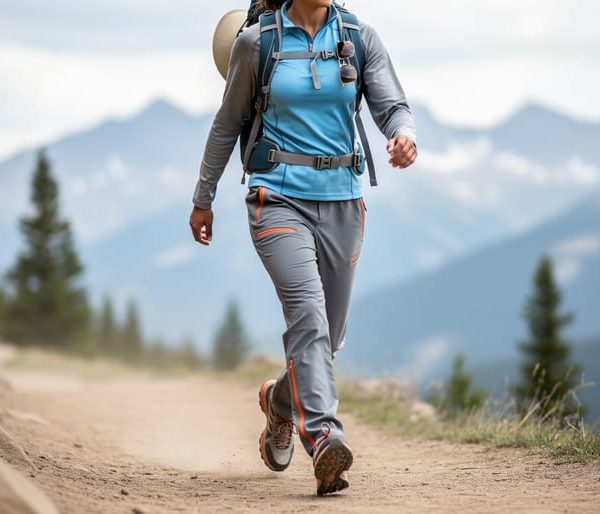
You can absolutely look great on the trail without sacrificing function. The best cute hiking fits for Dillon’s high-altitude terrain combine moisture-wicking layers, sun protection, and smart accessory choices that work as hard as they look. This summer, hikers are ditching the false choice between technical performance and personal style, bringing coordinated color palettes, flattering silhouettes, and on-trend pieces to trails that demand real gear.
The 2026 hiking outfit movement embraces what hikers have known all along: confidence on the trail comes from feeling good in what you’re wearing. Social media feeds overflow with proof that brands like Cotopaxi, REI, and Arc’teryx can deliver both aesthetics and trail-tested durability. The key difference between an Instagram-ready outfit and a regrettable hike lies in understanding Dillon’s specific demands. At 9,000 feet, UV exposure intensifies, afternoon thunderstorms arrive fast, and temperature swings of 30 degrees between morning and midday are standard.
Smart outfit building starts with performance fabrics that happen to look good, not cute pieces you’re trying to make work outdoors. Cotton tees and denim shorts might photograph well at the trailhead, but they’ll leave you cold, chafed, or overheated within an hour. The trails around Dillon reward hikers who layer strategically, protect exposed skin, and choose footwear with actual traction. Function comes first because no outfit looks good when you’re blistered, sunburned, or caught in an electrical storm above treeline.
This guide breaks down how to build trail outfits that work for Dillon’s conditions while reflecting your personal style.
Why Cute Hiking Fits Matter (Beyond the Instagram Aesthetic)
The shift toward cute hiking fits represents more than a fleeting social media trend. It’s about dismantling the outdated notion that you must choose between feeling good and looking good on the trail. For years, outdoor gear companies marketed primarily to a narrow demographic, designing products that prioritized function while treating aesthetics as an afterthought. That disconnect left many potential hikers, especially women and younger outdoor enthusiasts, feeling like they had to sacrifice personal style to participate in trail culture.
The confidence boost that comes from wearing an outfit you genuinely like shouldn’t be dismissed as superficial. When you feel comfortable in what you’re wearing, both physically and aesthetically, you’re more likely to push yourself to try that new trail or join friends on a weekend hike. This psychological component has drawn countless newcomers into hiking, particularly around Dillon’s accessible reservoir loops and moderate mountain trails. An April 2026 Instagram post captured this sentiment perfectly: “I refuse to believe we have to choose between technical and cute on the trail this summer.”
The gorpcore movement accelerated this transformation, bringing outdoor-inspired fashion into everyday wardrobes and, inversely, making outdoor brands recognize that their customers wanted better-looking gear. Major companies responded by designing technical pieces that don’t scream “I just escaped from a camping catalog.” Arc’teryx, Cotopaxi, and REI now offer functional apparel with clean lines, flattering cuts, and color palettes that extend beyond earth tones.
The “mountains are my personal runway” mindset gained traction throughout 2026 as hikers shared outfit inspiration that proved style and trail readiness aren’t mutually exclusive. Platforms like Pinterest created dedicated boards for “cute hiking fits fall” and “hiking outfit for spring,” helping outdoor enthusiasts plan aesthetically pleasing combinations that still incorporate moisture-wicking fabrics, sun protection, and appropriate layers. This isn’t about turning trails into fashion runways, it’s about recognizing that self-expression enhances the outdoor experience rather than detracting from it.
The Building Blocks of a Functional Cute Hiking Fit
Technical Fabrics That Look Good
The outdoor industry finally caught up to what hikers have wanted all along, gear that performs without looking like you raided a 1990s climbing catalog. Modern performance fabrics blend technical function with tailored cuts, softer colors, and silhouettes that flatter rather than hide your shape. Brands like Cotopaxi, Arc’teryx, and REI now design pieces that move seamlessly from trailhead to coffee shop without screaming “I just summited something.”
Look for fabrics with four key properties: moisture-wicking capability, breathability, quick-dry performance, and mechanical stretch. Polyester and nylon blends pull sweat away from your skin and dry fast, keeping you comfortable when you’re working hard on steep sections or when afternoon storms roll through Dillon’s high country. Studies confirm that synthetic wicking exceeds cotton by substantial margins, especially on longer hikes where staying dry matters for both comfort and safety.
That brings us to the cotton shirt debate. A cotton tee might look cute and work fine for flat, hour-long loops around Dillon Reservoir. But on any hike longer than two hours or with significant elevation gain, cotton holds moisture against your skin, chilling you when you stop and weighing you down when you’re moving. Performance fabrics in similar styles, cropped cuts, relaxed fits, earthy tones, deliver the aesthetic without the clammy aftermath. The stretch component matters too, particularly in pants and shorts, giving you freedom to scramble over rocks or take long strides uphill without fighting your clothes.
Layering for Colorado Mountain Weather
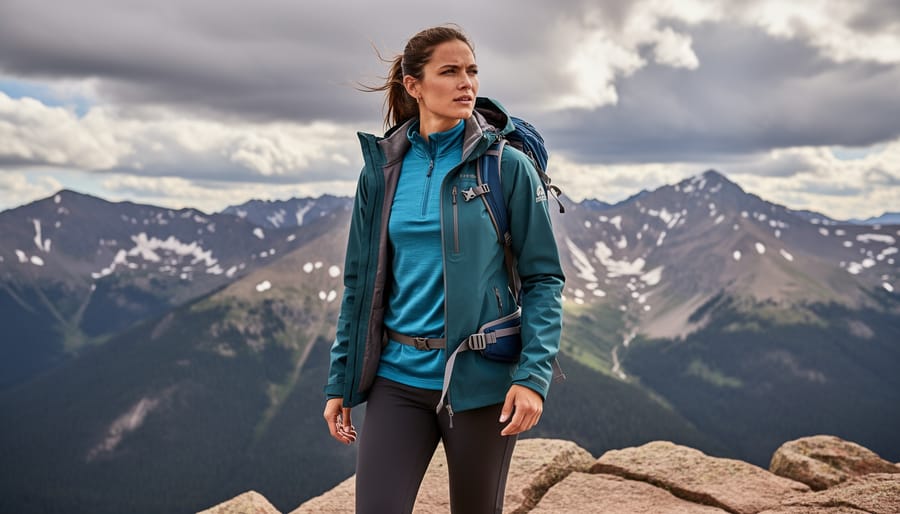
Dillon’s mountain weather can shift from warm sunshine to chilly winds within an hour, making the three-layer system your best friend, even when you’re prioritizing style. Start with a moisture-wicking base layer that fits close to your skin. Modern performance fabrics come in flattering cuts and colors beyond basic black, so you can choose something that reflects your aesthetic while keeping sweat away from your body.
Your mid-layer adds warmth without bulk. Think fleece pullovers, lightweight insulated jackets, or stylish quarter-zips that you can tie around your waist when temperatures climb. Brands like Cotopaxi and Arc’teryx offer options that look great in trail photos while providing real insulation.
The outer layer protects against wind and sudden weather changes. A sun-protecting jacket serves double duty, shielding you from UV rays during exposed climbs and blocking wind at higher elevations. Choose one in a color or pattern that complements your overall look, knowing you can shed it and stash it in your pack when the sun breaks through. The key is selecting pieces you’ll actually wear in layers, not items so mismatched you’ll resist using them together when conditions demand it.
Cute Hiking Fit Ideas for Different Dillon Trails
Easy Trail & Lake Loop Fits
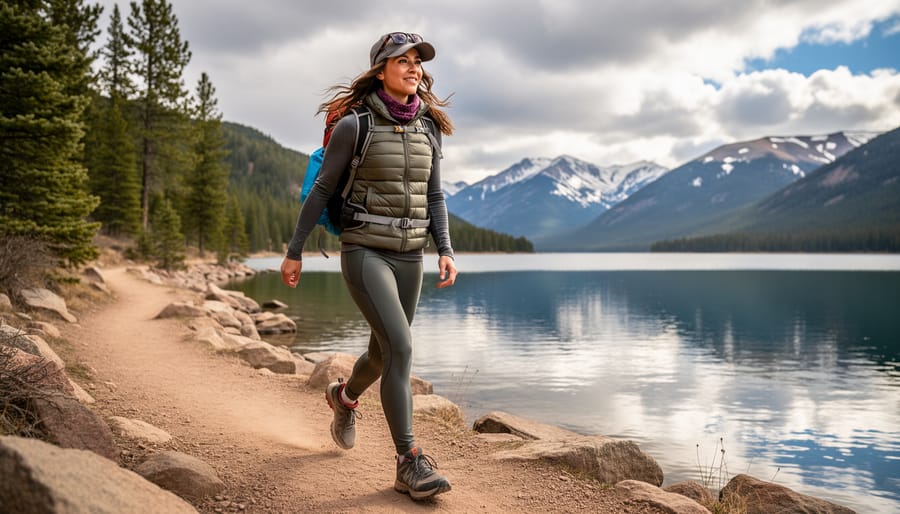
The easiest Dillon Reservoir trails offer the perfect opportunity to prioritize style while still staying comfortable for a few hours outdoors. For these mellow, well-maintained paths, a cotton-blend shirt paired with shorts creates a relaxed aesthetic that works beautifully. The flat terrain and proximity to your car mean you can take a few fashion risks without worrying about sudden weather changes or challenging conditions.
Accessories complete the look and add practical value. Sunglasses from Oakley or Warby Parker provide UV protection while contributing to the overall vibe, whether you prefer sporty wraparounds or classic frames. Add a lightweight crossbody bag or a small backpack, and you have an outfit that feels intentional without overthinking it. These shorter hikes are where the functional+cute philosophy shines brightest, letting you test combinations that express your personal style while building confidence for longer adventures.
Moderate Mountain Trail Outfits
When you’re tackling nearby hiking trails with a few thousand feet of elevation gain, your outfit needs to work harder while still looking put-together. This is where moisture-wicking performance fabrics become essential, not optional. A fitted quarter-zip in a flattering color provides sun protection and breathability without the boxy fit of traditional hiking tops. Pair it with high-waisted biker shorts that offer both compression and coverage, addressing the functional-cute balance that’s defining 2026 trail fashion.
For half-day hikes that involve sustained climbing, choose leggings or hiking pants with four-way stretch and reinforced knees over purely aesthetic options. Your core layer should handle sweat management when you’re pushing uphill, then regulate temperature when you stop for water breaks at elevation. A lightweight sun-protecting jacket tied around your waist adds versatility for variable conditions. The key is selecting pieces that perform under exertion, breathable, quick-dry fabrics that move with you, in cuts and colors that reflect your personal style rather than defaulting to purely utilitarian gear.
Challenging Summit & Alpine Fits
At Dillon’s higher elevations, think peaks above 12,000 feet, your outfit needs to prioritize survival over style, but that doesn’t mean you’re stuck with shapeless technical gear. The thin air, unpredictable weather, and exposure at altitude demand moisture-wicking base layers, insulating mid-layers, and a windproof outer shell. Brands like Arc’teryx, Cotopaxi, and REI have closed the gap between performance and aesthetics, offering technical pieces in modern cuts and thoughtful colorways. A fitted softshell jacket or a sleek down vest can look great while keeping you warm during summit attempts. Choose leggings with reinforced knees over cotton pants, and don’t skimp on a proper sun-protecting jacket, UV intensity increases significantly with elevation. Your cute hiking fit can still reflect your personal style through coordinated colors or patterned base layers, but every piece must earn its place through function first.
Seasonal Cute Hiking Fits for Dillon Adventures
Spring Hiking Outfits (Late May Through June)
Spring hiking around Dillon demands strategic layering because you’ll start in near-freezing temperatures and potentially face 60-degree afternoons, all while dodging afternoon thunderstorms. Late May through June means trails are finally accessible, but patches of snow linger above 10,000 feet, and sudden weather changes are the norm, not the exception.
Your base should be moisture-wicking long sleeves in lighter colors that reflect the season, soft greens, dusty blues, or even pastels work well while maintaining breathability. Skip the cotton tee regardless of how cute it looks; when that unexpected rain or snowmelt-drenched trail section hits, you’ll regret it. A lightweight, packable waterproof jacket is non-negotiable. Modern options from brands like Cotopaxi and Arc’teryx come in flattering cuts and appealing colors, so you’re not stuck with shapeless neon gear.
For bottoms, convertible hiking pants offer versatility as temperatures shift, or layer thermal leggings under hiking shorts for early starts. Bring a beanie or headband for chilly mornings, spring accessories in neutral tones complement most palettes. The key is building a fit that transitions with Colorado’s moody spring mountains while keeping you comfortable enough to actually enjoy the wildflower blooms just starting to appear.
Summer Trail Style (July Through August)
July and August bring Dillon’s warmest hiking weather, and the biggest challenge for cute hiking fits: staying cool while protecting yourself from intense alpine sun and afternoon thunderstorms. The 2026 summer trend toward functional+cute combinations makes perfect sense here, where you genuinely need both.
Start with lightweight, breathable fabrics in light colors that reflect rather than absorb heat. A moisture-wicking tank or short-sleeve shirt paired with hiking shorts or biker shorts handles the heat without sacrificing style. The key piece is a sun-protecting jacket, look for UPF-rated options that you can tie around your waist when it’s hot and throw on for exposed ridgelines or when clouds roll in. These come in everything from minimalist designs to vibrant patterns that add personality to your outfit.
Always pack a lightweight rain layer in your pack, even if skies look clear at the trailhead. Summer thunderstorms build fast in the mountains, typically between 2 and 4 PM. A packable rain jacket doesn’t ruin your aesthetic, it keeps you from getting soaked and dangerously chilled at elevation. Add a wide-brimmed hat or cap, quality sunglasses (brands like Oakley combine protection with style), and you’ve got a summer hiking fit that works as hard as it looks good.
Fall Hiking Fits (September Through October)
Fall hiking around Dillon delivers peak aesthetic potential, golden aspens, crisp air, and that perfect excuse to layer up. Start with a moisture-wicking base layer since September mornings can dip into the 30s, then add a mid-weight fleece or stylish quarter-zip that you can tie around your waist once afternoon temps climb into the 60s. Leggings or hiking pants work better than shorts now, and they pair beautifully with the autumn color palette trending on the “Cute hiking fits fall” boards dominating 2026 inspiration. Don’t skip a packable insulated jacket, early October can bring surprise snow above 10,000 feet, and looking cute matters less when you’re shivering. A beanie adds both warmth and style points for those cold-start hikes, and you can always stuff it in your pack once the sun does its work midday.
Essential Accessories That Complete the Look (and Keep You Safe)
Accessories bridge the gap between a hiking outfit that photographs well and one that actually performs on Dillon’s trails. The right pieces pull your look together while solving real problems you’ll encounter at altitude.
Start with sun protection essentials. A wide-brimmed hat shields your face during exposed ridge walks where Colorado’s intense UV is 25% stronger than at sea level. Look for packable styles that won’t blow off in mountain winds. Sunglasses are non-negotiable, brands like Oakley and Warby Parker now offer performance eyewear that doesn’t scream “hardcore mountaineer” but still provides proper UV protection and won’t slide down your nose on sweaty climbs.
Your backpack choice matters more than you might think. A 20-liter daypack from brands like Cotopaxi or REI can be both functional and aesthetic, with enough room for the ten essentials while complementing your outfit’s color palette. Skip the ratty old school backpack, modern hiking packs distribute weight properly and include hydration compatibility, which matters on longer trails where water sources are scarce.
Hiking poles from Black Diamond or similar brands aren’t just for serious backpackers. They reduce knee strain on descents and provide stability on rocky, uneven terrain common around Dillon. Modern telescoping poles come in sleek designs and bright colors that add to rather than detract from your overall look.
Don’t overlook smaller touches. A printed bandana from companies like Heading Prints serves as sweat management, an emergency face covering, or a pop of pattern. A lightweight phone armband keeps your device accessible for trail photos without the constant pocket fumble. These finishing details show you’ve thought through both the aesthetic and the practicalities.
Footwear: Where Fashion Meets the Trail
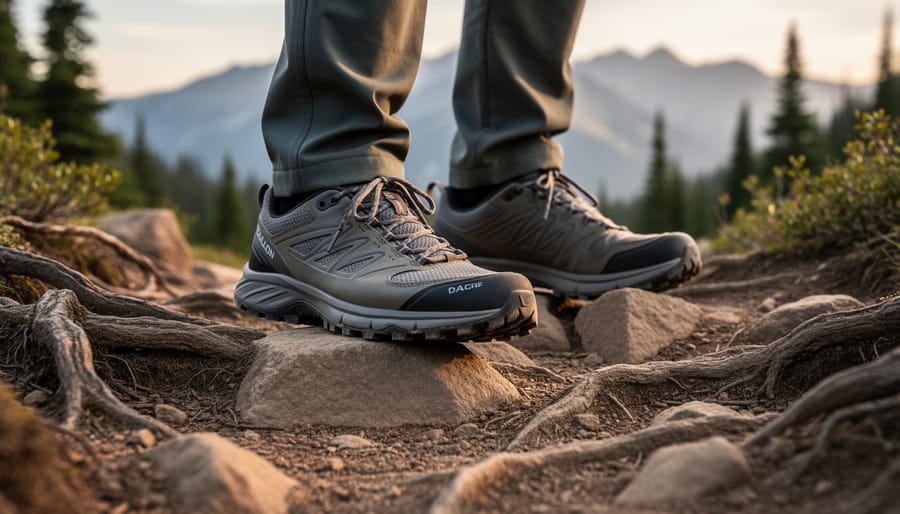
Your hiking outfit can be gorgeous from hat to waistband, but everything falls apart if your footwear can’t handle Dillon’s rocky switchbacks and loose scree. The right shoes make the difference between a confident, enjoyable hike and a painful, potentially dangerous experience on trails that demand serious traction and ankle support.
When you choose hiking shoes prioritize ankle support for any trail with elevation gain or technical sections. Mid-height boots provide stability on uneven ground while trail runners work well for maintained, gentler paths around the reservoir. Both now come in designs that look great without sacrificing the Vibram soles and reinforced toe boxes you need.
Fit matters more than appearance. Your boots should allow wiggle room for toes on descents but lock your heel in place to prevent blisters. Break them in before tackling longer trails, even the cutest hiking boots will ruin your day if they’re shredding your ankles three miles from the trailhead.
Modern hiking footwear blends technical performance with aesthetic appeal better than ever. Brands are offering earth tones, interesting textures, and sleeker silhouettes that complement your trail style. Just remember that cute hiking shoes still need aggressive tread patterns, waterproof membranes for creek crossings, and the structure to protect your feet on Colorado’s demanding terrain.
Common Cute Hiking Fit Mistakes to Avoid
The most common mistake? Prioritizing aesthetics at the expense of basic trail safety. I’ve seen hikers in Dillon wearing adorable outfits that left them sunburned, cold, or limping back to the trailhead. The cotton problem tops this list, those soft, comfortable cotton tees and leggings look great in photos but turn into cold, clammy nightmares once you start sweating or encounter afternoon rain. Cotton absorbs moisture and stays wet, which can lead to chafing on longer hikes and real hypothermia risk if temperatures drop. Choose moisture-wicking synthetics or merino wool instead, which now come in stylish cuts and colors that photograph just as well.
Inadequate sun protection is another frequent issue, especially around Dillon’s high elevation where UV exposure intensifies. A cute baseball cap might complete your look, but it won’t protect your ears, neck, and face like a wide-brimmed sun hat. Similarly, skipping sunscreen or a sun-protecting jacket because it disrupts your aesthetic leaves you vulnerable to serious burns. Colorado’s intense sun isn’t forgiving, even on cloudy days.
Footwear failures happen constantly when style overrides function. Fashion sneakers or worn-out trail runners with no tread won’t cut it on Dillon’s rocky, uneven trails. You need proper ankle support and aggressive traction, especially on steep sections where a twisted ankle can end your hike immediately.
Finally, under-layering for variable mountain weather creates problems. Dillon’s temperatures can swing twenty degrees between morning and afternoon, and sudden storms roll in without warning. Pack those extra layers even if they don’t match your planned outfit perfectly, they’re essential for safety, not optional accessories.
The trail doesn’t care what you’re wearing, but you should. Finding your personal balance between looking good and hiking smart isn’t shallow, it’s what gets you outside more often, and that matters more than any single outfit choice.
Your cute hiking fit works when it performs on actual terrain. That cotton-blend shirt and those stylish shorts? Perfect for mellow Dillon Reservoir loops. Planning a summit push with elevation and exposure? Your functional layers and proper boots become the foundation, with personal style expressed through color choices, well-designed technical pieces, and thoughtful accessories. The best outfit is the one that makes you excited to lace up and head out.
Colorado’s trails welcome everyone who respects them. Whether you’re drawn to the gorpcore aesthetic or prefer brighter colors and patterns, whether you’re tackling your first easy lakeside walk or a challenging alpine route, dress for the conditions you’ll actually face. Express yourself. Stay safe. The mountains reward both confidence and competence, and you can absolutely bring both.
Now get out there and make those trails your runway.