
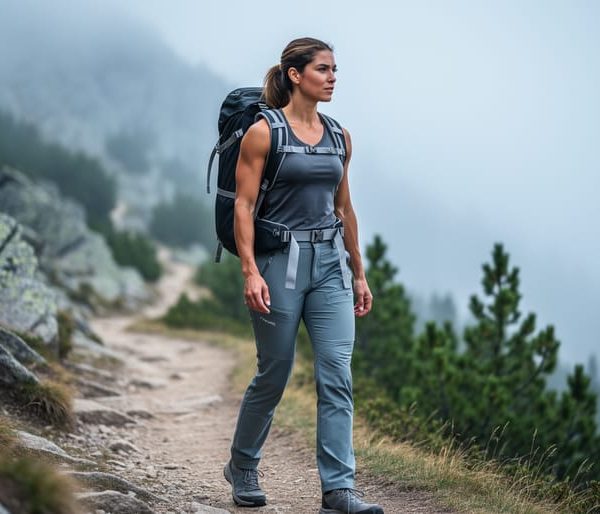
Finding the right hiking pants for women means prioritizing three essentials: fabric that handles sweat and weather, a fit that moves with you on steep terrain, and versatility across changing conditions. If you’re exploring the trails around Dillon, where morning temperatures can swing 30 degrees before lunchtime and alpine scrambles demand full range of motion, you need pants engineered for performance, not just styled for it. The best women’s hiking pants in 2026 come from brands like Outdoor Research, Patagonia, REI, and Stio, with tested models that balance durability, breathability, and weather resistance without the bulk.
Women-specific designs have evolved far beyond shrink-it-and-pink-it marketing. Modern hiking pants account for different hip-to-waist ratios, inseam proportions, and flexibility needs that unisex cuts often miss. The Outdoor Research Ferrosi earns top marks across multiple reviews for its balance of stretch and durability, while the Patagonia Quandary delivers all-around performance for varied terrain. Budget-conscious hikers consistently recommend the REI Co-op Trailmade Pants, which pack comfort and mobility without premium pricing.
The difference between a frustrating day on the trail and one where your gear disappears into the background often comes down to details: how waistbands sit under a pack, whether pockets are accessible with gloves on, and if the fabric sheds water during an afternoon thunderstorm above treeline. Understanding these factors before you buy means fewer compromises when you’re five miles from the trailhead.
What Makes Women’s Hiking Pants Different
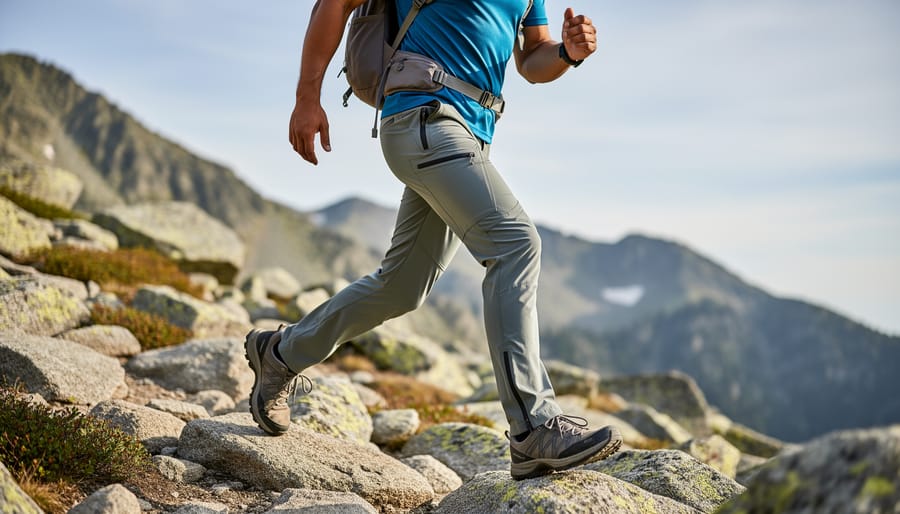
Women’s hiking pants aren’t simply men’s pants resized. The cut follows a fundamentally different body shape, with a narrower waist relative to hip width, a higher waist-to-hip ratio, and proportionally different leg lengths. These adjustments ensure the waistband sits where it should without gapping at the back, the seat fits without excess fabric bunching, and the inseam accommodates shorter leg proportions without pooling at the ankles.
Rise makes a significant difference on the trail. Women’s pants typically offer mid to high-rise options that prevent the waistband from digging in when you bend to scramble over rocks or sit on a log. A properly designed rise stays put during uphill climbs and doesn’t slide down your hips under the weight of a backpack. Men’s pants often sit lower, which works fine for their body shape but creates gaps and discomfort for women during extended movement.
Hip room and thigh proportions matter more than many hikers realize. Women’s hiking pants feature extra room through the hips and a taper that matches typical leg shape, preventing the fabric from pulling tight across the hips while still maintaining a streamlined fit through the lower leg. This design allows full range of motion when stepping up onto boulders or crossing streams without restriction. Unisex pants, which default to men’s proportions, often fit too loosely in the waist while feeling restrictive through the hips and thighs.
Inseam options reflect real diversity in leg length. Quality women’s hiking pants come in multiple inseam lengths, not just a single “women’s” size. This means you can choose pants that hit at the right point on your leg without needing alterations. During Colorado mountain hikes where you’re navigating scree fields and creek crossings, the right inseam keeps fabric from dragging on the ground while still providing full coverage when you crouch or kneel.
The difference shows up most clearly during long days on variable terrain around Dillon. Pants that truly fit reduce chafing, eliminate constant adjustments, and let you focus on the trail rather than your gear.
Essential Features to Look For
Fabric Performance and Durability
Fabric choice determines how your pants handle sweat, weather, and the wear-and-tear of scrambling over rocks. Most hiking pants for women use synthetic fabrics like nylon or polyester, which dry quickly and resist abrasion better than cotton. Nylon blends dominate because they offer excellent durability without excessive weight. Some manufacturers add spandex or elastane for stretch, improving mobility on steep switchbacks and when navigating uneven terrain.
Weight categories matter more than many hikers realize. Lightweight pants (typically 6-8 ounces) excel in warm weather and maximize breathability, but they sacrifice some durability on rough trails. Midweight options (8-11 ounces) strike the best balance for Colorado’s variable conditions, offering enough abrasion resistance for rocky scrambles while remaining breathable during climbs. Heavyweight pants (11+ ounces) provide superior protection and warmth but can feel stifling in summer heat.
Fabric construction impacts performance beyond material alone. Tightly woven fabrics resist snags from brush and rock better than looser weaves but often trap more heat. Ripstop construction adds reinforcement threads in a grid pattern, preventing small tears from spreading. For Dillon’s granite-heavy trails, look for reinforced knees and seat areas where contact with rock is inevitable. Softer-brushed fabrics feel comfortable but show wear faster than their smooth-faced counterparts.
Fit, Mobility, and Comfort
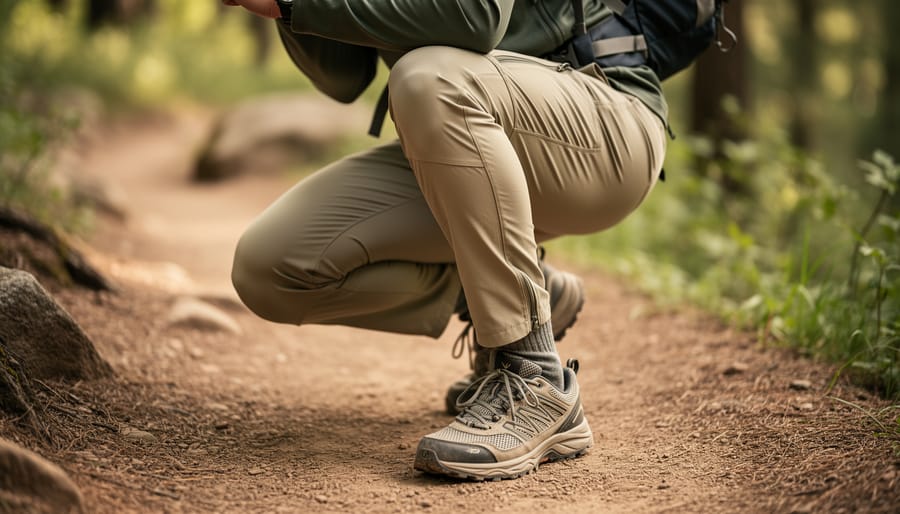
When you’re scrambling over boulders on a steep Dillon trail or climbing over downed timber, your pants shouldn’t fight you. The difference between hiking pants that feel like an extension of your body and ones that leave you tugging and adjusting comes down to strategic design features that enable full range of motion.
Articulated knees are pre-shaped or curved seams at the knee joint that mirror your leg’s natural bend. This construction eliminates the bunching and pulling you get with straight-leg pants when you step up onto rocks or crouch low on descents. A gusseted crotch adds a diamond-shaped fabric panel at the inseam junction, creating room where your legs meet and preventing the binding that happens during high steps or wide strides across creek crossings.
Stretch panels placed at the waistband, knees, or along the side seams allow the fabric to move with you rather than resisting. Even pants made from mostly non-stretch material benefit from strategically placed stretch zones that accommodate bending and reaching without feeling tight.
Rise matters more than many hikers realize. Mid-rise pants sit at your natural waist and stay put when you’re wearing a hip belt. Low-rise pants can gap at the back when you bend over and create pressure points under a loaded pack. High-rise options offer extra coverage and comfort if you’re layering base layers underneath or prefer that fit.
The wrong combination of these elements turns a long hike into an endurance test of constant readjustment. The right ones disappear from your awareness entirely, which is exactly what you want when you’re focused on the trail ahead.
Weather Protection Features
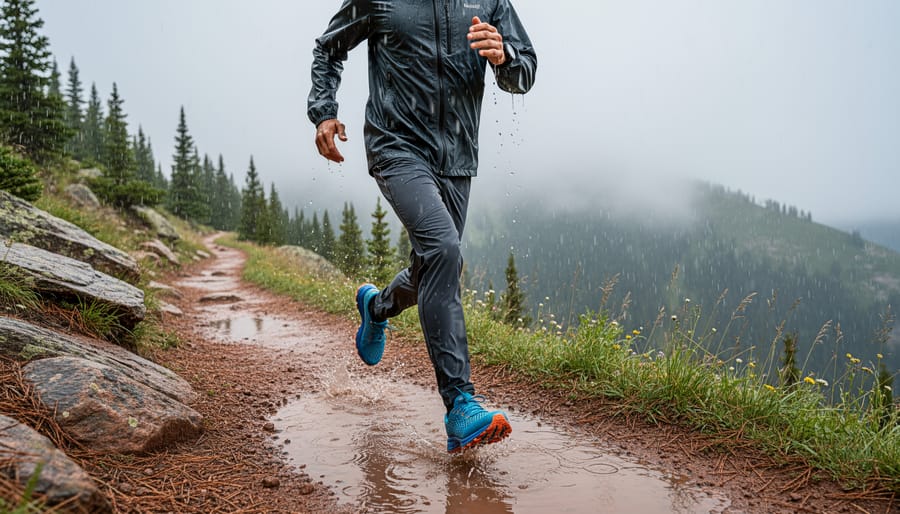
DWR (durable water repellent) coatings form your first line of defense against Dillon’s unpredictable mountain weather. These treatments cause water to bead and roll off the fabric surface rather than soaking in, buying you crucial time when afternoon storms roll through. Most quality hiking pants feature factory DWR, but the coating wears down with use and washing. You’ll notice pants darkening when wet once the treatment fades, a signal to reapply aftermarket DWR spray.
Wind resistance matters more at elevation than many hikers expect. Tightly woven fabrics block wind penetration that can chill you quickly on exposed ridgelines, even on sunny days. Softshell pants typically offer the best wind protection, while lightweight options prioritize breathability over blocking gusts.
Quick-dry properties prove essential in Colorado’s low humidity. Synthetic fabrics like nylon and polyester shed moisture and dry in hours, not days. This becomes critical if you’re hiking multiple days or get caught in rain, wet cotton pants stay wet and rob body heat. For Dillon’s variable conditions where you might face sun, wind, and rain in a single afternoon, prioritize pants that combine a fresh DWR coating with wind-resistant fabric and quick-dry synthetics.
Types of Women’s Hiking Pants Compared
Choosing the right type of hiking pants depends on where you hike, the season, and what you value most, weight savings, weather protection, or versatility. Each category makes specific trade-offs that suit different trail conditions and personal preferences.
Lightweight Hiking Pants are built for breathability and packability. These pants use thin synthetic fabrics that dry quickly and resist light wind, making them ideal for summer trails and high-output activities like scrambling safely on rocky terrain. They excel on warm days when you’re moving fast and need maximum airflow. The downside is durability, lightweight fabrics wear faster on abrasive surfaces and offer minimal warmth when temperatures drop. If you hike mostly from June through September on well-maintained trails, this category delivers excellent comfort without excess bulk.
Convertible Zip-Off Pants feature legs that detach at the knee, transforming into shorts. This versatility appeals to hikers who encounter variable weather or who don’t want to carry separate shorts. However, the zippers add weight, create potential failure points, and often sit right where your pack’s hip belt rests, which can cause chafing on long hauls. They work well for day hikes with dramatic elevation changes or for backpacking trips where weight savings matter less than adaptability. Just recognize that convertibles rarely perform as well as dedicated pants or purpose-built shorts in either configuration.
Softshell Pants use stretchy, thicker fabrics that block wind and provide light insulation. They’re the choice for shoulder-season hiking, early morning starts, or anyone who runs cold. Softshells handle Dillon’s sudden weather shifts better than lightweight options, offering warmth without the bulk of insulated pants. The trade-off is breathability, on warm days or steep climbs, you’ll overheat quickly. They also dry slower than thin synthetics, which matters if you’re hiking through wet meadows or crossing streams. For spring and fall outings in the Rockies, softshells provide excellent protection.
Quick-Dry Travel Pants blur the line between hiking gear and everyday wear. They look more casual than technical pants but still use moisture-wicking fabrics and offer decent stretch. These work for hikers who want one pair that transitions from trail to town, or for those who prioritize comfort on shorter, less demanding hikes. They typically lack the reinforced knees and gusseted crotches found in dedicated hiking pants, so mobility suffers during scrambles or high steps. If you’re planning mostly easy-to-moderate trails and value versatility, travel pants handle light duty well.
| Pants Type | Best Conditions | Weight Category | Ideal Dillon Use |
|---|---|---|---|
| Lightweight Hiking | Warm weather, high output | 6-9 oz | Summer trails, peak season day hikes |
| Convertible Zip-Off | Variable elevation, changing temps | 10-13 oz | Day hikes with big elevation swings |
| Softshell | Cool temps, wind, shoulder season | 12-16 oz | Spring/fall alpine hikes, early starts |
| Quick-Dry Travel | Casual trails, multi-use wear | 8-11 oz | Easy-moderate trails, town-to-trail days |
Most experienced hikers eventually own pants from at least two categories. A lightweight pair handles summer conditions, while softshells cover cooler months. This approach costs more upfront but ensures you’re comfortable across the full season rather than compromising with a single “do-everything” option that excels at nothing.
Top Hiking Pants for Women in 2026
Best Overall: Outdoor Research Ferrosi
The Outdoor Research Ferrosi stands out because it excels across the metrics that matter most on the trail. Testing from Outdoor Gear Lab, which evaluated 18 different models, consistently ranked it as the best overall option for women’s hiking pants. The Ferrosi’s strength lies in how well it balances breathability with weather protection, you get excellent airflow on warm ascents without sacrificing wind resistance when conditions turn. The fabric holds up to abrasion from scrambling over rocks and bushes, making these pants reliable for technical terrain around Dillon’s alpine zones. They move naturally without binding at the knees or hips, and the fit accommodates layering underneath when temperatures drop. This combination of performance factors explains why the Ferrosi earns top marks year after year.
Runner-Up: Stio Glide Tech and Patagonia Quandary
If you’re after a slimmer, more athletic fit with excellent stretch, the Stio Glide Tech deserves serious attention. It earned runner-up status in comprehensive testing for its flexibility and modern cut, making it ideal for hikers who prefer a streamlined silhouette without sacrificing mobility on steep trails and scrambles around Dillon.
For overall versatility, the Patagonia Quandary Pants stand out as the most well-rounded option. They balance durability, weather protection, and comfort across different seasons and trail conditions. The fabric handles variable mountain weather well while remaining breathable during climbs.
The Stio Pinedale Pant is another strong contender worth considering. It bridges the gap between technical performance and everyday wearability, performing reliably on everything from exposed ridgelines to casual afternoon hikes near Lake Dillon. All three options deliver dependable performance for Colorado’s mountain terrain, so your choice comes down to preferred fit and your most common hiking conditions.
Best Budget Option: REI Co-op Trailmade
The REI Co-op Trailmade pants stand out as the top choice for hikers who want quality performance without stretching their budget. Multiple expert reviews highlight these pants for delivering comfort and mobility that rivals pricier options, making them particularly appealing for beginners building their first hiking wardrobe or experienced hikers adding a backup pair for occasional trips around Dillon.
What makes the Trailmade pants punch above their price point is thoughtful design that doesn’t cut corners on the features that matter most. You get the articulated knees and gusseted crotch that prevent binding during steep climbs up trails like Sapphire Point, along with a fabric blend that balances breathability and durability on rocky Colorado terrain. The pants dry quickly after creek crossings or surprise afternoon showers, a practical advantage in the mountains.
For the occasional hiker planning a few weekend trips per season, the Trailmade offers all the essential performance characteristics without asking you to invest in premium technical fabrics you may not fully utilize. The comfort and mobility praised by reviewers mean you won’t sacrifice trail enjoyment to save money.
Best for Warm Weather: Mountain Hardwear Dynama
The Mountain Hardwear Dynama stands out as the top choice when temperatures climb and you need maximum airflow without sacrificing durability. These pants deliver exceptional breathability for summer trails and exposed routes where sun and heat dominate the conditions. The lightweight construction keeps you cool during steep ascents above Dillon Reservoir when afternoon sun turns rocky switchbacks into ovens, yet the fabric retains enough structure to handle brush and rocks without feeling fragile.
What sets the Dynama apart is how it balances featherlight comfort with practical performance. The pants dry quickly after creek crossings or sudden afternoon showers common in Colorado’s high country, and the stretchy material moves with you during scrambles without binding at the knees or hips. If your hiking calendar centers on June through September outings or you tend to run hot on the trail, the Dynama offers the ventilation you need while maintaining enough weather protection for unpredictable mountain conditions.
Sizing and Fit Considerations
Getting the fit right matters more than most hikers realize. Hiking pants that feel fine when standing in a store can bind across the thighs during a steep climb or gap at the waist when you’re scrambling over rocks. Start by checking your measurements against each brand’s size chart, not just assuming your usual size. Inseam length varies widely between brands, some offer regular, short, and long options, while others stick to one standard length that might puddle at your ankles or leave you wishing for an extra inch of coverage.
Rise preference is personal but functional. A mid-rise typically works for most body types and stays put under a pack’s hip belt without digging in. Low-rise pants can slide down during activity, while high-rise options offer better coverage when bending and reaching but may feel restrictive if you’re not used to them. The waistband should sit comfortably without needing a belt cinched tight, and there should be enough room through the hips and thighs to layer a base layer underneath on cold mornings without the fabric pulling or restricting your stride.
Articulated knees and a gusseted crotch aren’t just marketing features; they determine whether you can comfortably navigate Dillon’s rocky switchbacks without feeling like you’re fighting your pants. When trying on options, move around. Walk, bend, reach overhead, and sit down. The fabric should have enough stretch or cut to accommodate these movements without pulling tight across your backside or knees. Remember that hiking pants should fit slightly looser than jeans to allow for layering and freedom of movement, but not so loose that excess fabric catches on brush or flaps in the wind.
Common Mistakes to Avoid
The biggest mistake I see on the trail stems from choosing pants that look great on a mannequin but fail the first steep climb. Style matters, but performance comes first when you’re navigating rocky switchbacks at 9,000 feet elevation. Too many hikers grab pants designed for casual wear or light walking and find themselves uncomfortable, restricted, or unprepared once the terrain turns challenging.
Inseam length is chronically underestimated. If you’re 5’10” and buy regular-length pants designed for someone 5’5″, you’ll spend your hike with fabric bunching at the knees or riding up when you step over logs. Conversely, petite hikers who settle for too-long pants risk tripping on muddy trails or snagging fabric on branches. Most quality brands offer short, regular, and long inseams specifically to avoid this problem, yet many buyers skip checking measurements and assume one size fits all heights.
Cotton fabrics still show up in hiking pants despite decades of “cotton kills” warnings. Cotton absorbs moisture, dries slowly, and saps body heat when wet. A surprise afternoon thunderstorm near Dillon can soak cotton pants in minutes, leaving you cold and miserable for hours. Synthetic blends or technical fabrics dry quickly and wick sweat, keeping you comfortable even when conditions shift unexpectedly.
Buying pants too tight for layering sabotages your gear system before you even hit the trailhead. If your pants fit perfectly over bare legs but leave no room for thermal leggings underneath, you’ve limited yourself to warm-weather hiking. Mountain conditions around Dillon can start at 40 degrees in the morning and climb to 70 by noon, so you need flexibility to layer or strip down as needed.
- Prioritizing style over performance features like stretch, breathability, and durability
- Ignoring inseam length and settling for poor fit at ankles and knees
- Choosing cotton or cotton-blend fabrics instead of quick-dry synthetics
- Buying pants too snug to accommodate thermal layers for variable conditions
- Overlooking pocket size, placement, and security for trail essentials
Pocket functionality gets overlooked until you’re fumbling for your phone, trail snacks, or map with no convenient place to stash them. Shallow pockets dump items on steep descents. Hip pockets placed too far back become unreachable with a backpack on. Zipperless pockets lose valuables. The best hiking pants include deep, secure pockets positioned where you can actually access them while wearing a pack, yet many buyers never test this until they’re miles from the trailhead wishing they’d made a different choice.
Matching Pants to Dillon’s Mountain Conditions
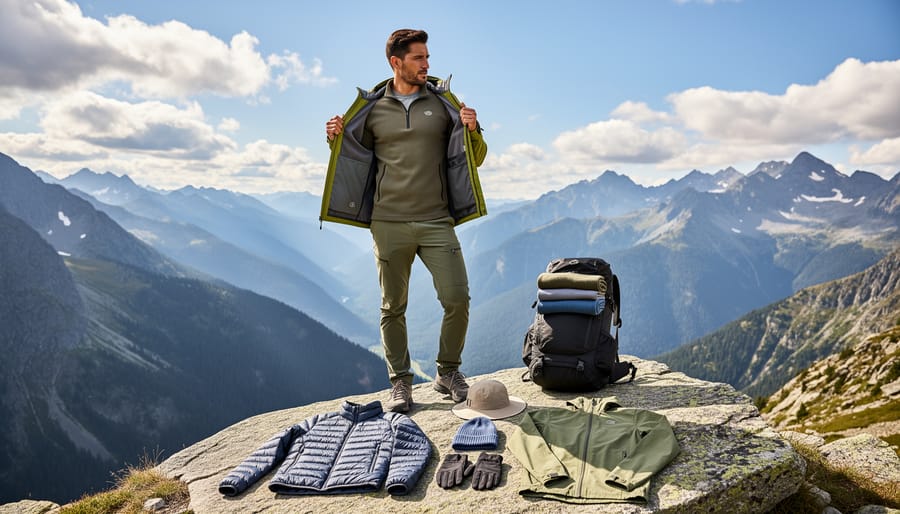
Dillon sits at 9,100 feet elevation in Summit County, where alpine conditions dominate the hiking experience year-round. The high altitude, exposed terrain, and rapidly shifting mountain weather patterns require hiking pants that can handle temperature swings, sudden storms, and intense UV exposure even on days that start sunny. Understanding these local conditions helps you choose pants that keep you comfortable and safe rather than leaving you unprepared when conditions shift.
During summer months (June through August), start times around dawn often mean chilly temperatures in the 40s, climbing to the 60s or low 70s by midday before storms roll in. Lightweight, breathable pants with stretch perform best in these conditions, allowing you to move comfortably as temperatures rise without overheating. The Mountain Hardwear Dynama or similar thin-fabric options work well for warm-weather hiking, though you should always carry rain protection and a base layer for emergencies.
Spring and fall hiking around Dillon demands more versatility. Temperatures can range from below freezing at trailheads to comfortable 50s by afternoon, and snow patches linger on north-facing slopes into June. Midweight pants like the Outdoor Research Ferrosi balance breathability with enough warmth for cooler conditions, and their DWR coating handles light precipitation and morning dew on trailside vegetation. Layer a lightweight baselayer underneath for early starts, then adjust as you warm up.
Winter hiking requires a different approach entirely. While dedicated softshell or insulated pants serve better for snow activities, if you plan shoulder-season hiking in November or April, choose pants with room to layer thermal leggings underneath. The Patagonia Quandary offers enough room for layering without feeling bulky, and its wind resistance helps on exposed ridgelines where Dillon’s winds can drop wind chill significantly.
The Rocky Mountain environment around Dillon also means rocky trails with loose scree, deadfall, and bushwhacking on less-maintained routes. Durability matters here. Thin, lightweight pants designed for desert hiking will shred quickly on granite and pine branches. Look for reinforced knees and seat, or choose midweight fabrics that resist abrasion without sacrificing breathability.
Check the weather basics before heading out, but always prepare for conditions to change. The pants that serve you best around Dillon combine weather protection, layering compatibility, and tough construction to handle whatever the mountains deliver.
Frequently Asked Questions
How often should I wash my hiking pants?
Wash hiking pants only when they’re visibly dirty or smell, typically after 3-5 wears for most conditions. Overwashing breaks down the DWR coating and fabric faster. When you do wash them, use cold water, a technical fabric detergent, and tumble dry on low to reactivate water resistance.
Are expensive hiking pants worth the extra cost?
Higher-priced pants usually deliver better fabric durability, more thoughtful design features, and longer lifespan, making them worthwhile if you hike frequently. That said, models like the REI Co-op Trailmade prove you can get excellent performance at a budget price point. Spend more if you hike weekly or tackle rugged terrain; save money if you’re hiking occasionally on maintained trails.
How many pairs of hiking pants do I actually need?
Most hikers do well with two pairs: one midweight option for three-season use and either a lightweight pair for summer or a heavier option for cold weather, depending on where you hike most. A single versatile pair like the Outdoor Research Ferrosi or Patagonia Quandary can handle year-round hiking in moderate climates when paired with base layers.
When should I replace worn hiking pants?
Replace pants when fabric abrasion creates thin spots prone to tearing, when seams start failing, or when the water-repellent coating no longer reactivates after washing. Faded color or minor pilling doesn’t affect performance. For frequent hikers, expect 2-4 years of life depending on terrain harshness and care habits.
Should I buy convertible zip-off pants or separate pants and shorts?
Separate pants and shorts offer better performance since each is optimized for its purpose, with no zipper bulk or weak points. Convertible pants make sense if you’re ultralight backpacking where every ounce counts, traveling with limited luggage, or hiking where temperatures swing dramatically within a single day. For most day hiking around Dillon, dedicated pants provide superior comfort and durability.
Can I wear hiking pants in winter or do I need separate cold-weather pants?
Standard hiking pants work well for winter with the right layering underneath. Wear merino wool or synthetic base layer tights beneath midweight hiking pants for temperatures down to the 20s. Below that, or in heavy snow, switch to softshell pants or insulated hiking pants designed specifically for winter conditions.
Beyond these basics, a few practical points round out the picture. If your pants develop a small tear on the trail, repair it quickly with tenacious tape or a fabric patch before it expands into a larger problem. Store pants unfolded or loosely rolled rather than tightly compressed to preserve fabric structure and DWR treatment between trips. And if you’re considering multiple pairs, rotate them rather than wearing one pair exclusively until it fails, you’ll extend the total lifespan of your hiking pants collection and always have a backup ready when you need it.
Choosing the right hiking pants transforms your experience on the trail. When you prioritize fit, fabric performance, and your specific hiking conditions over fleeting trends or brand hype, you invest in gear that genuinely supports your adventures rather than hindering them.
The best women’s hiking pants balance mobility with weather protection, durability with breathability, and function with comfort. Whether you’re navigating rocky scrambles above treeline or enjoying afternoon strolls around Lake Dillon, pants that fit your body properly and match Colorado’s mountain environment make every outing safer and more enjoyable. The difference between struggling through a hike in restrictive, poorly-designed pants and moving confidently in well-engineered gear becomes obvious after your first few miles.
Dillon’s elevation and unpredictable weather demand thoughtful gear choices. Afternoon thunderstorms roll in quickly, temperatures swing dramatically between sun and shade, and trail surfaces range from smooth dirt to jagged granite. Your hiking pants need to handle all of it without compromise.
Start with the features that matter most for your typical outings around Dillon, then narrow your search to models that excel in those areas. Try pants on with your hiking layers underneath, walk around the store, and test the range of motion before committing. With the right pair, you’ll focus on the scenery and the hiking trails ahead rather than adjusting uncomfortable waistbands or worrying about weather changes.