
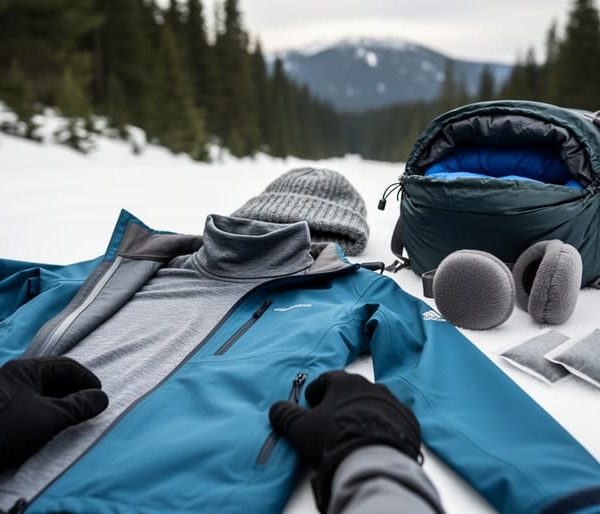
The best winter hiking gear is the kit that keeps you warm while moving, dry when you stop, and safe if plans go sideways. Start with layers you can adjust, then add the small items that do the heavy lifting: a neck gaiter, ear warmers, a warm winter hat, base-layer leggings, and hand warmers. Round it out with an emergency sleeping bag in your pack. That’s the core, and it matters more than any single flashy jacket.
If you’ve watched a few “top 5 for 2026” roundup videos, you’ve probably noticed the same pattern. The picks lean toward practical, affordable warmth, not exotic gear. That matches what we see around Dillon, Colorado, where a sunny morning at Lake Dillon can turn into wind, snow squalls, and a fast temperature drop by the time you’re on a ridge above Frisco. At this elevation, cold doesn’t build slowly. It arrives.
This guide breaks down what to look for, how the main gear types compare, which setups fit which kinds of trips, and the mistakes that send hikers home cold and cranky. You’ll also get weather-safety habits worth packing alongside every item. Let’s get you ready for the trail.
Why Winter Hiking Gear Is Different Around Dillon
Fall hiking near Dillon is forgiving. Winter isn’t. At roughly 9,000 feet, the air is thin and dry, the sun drops early, and a clear morning can turn into a whiteout by lunch. Every one of those changes shapes what you carry. If you want a refresher on how mountain conditions behave, start with these weather basics before you shop.
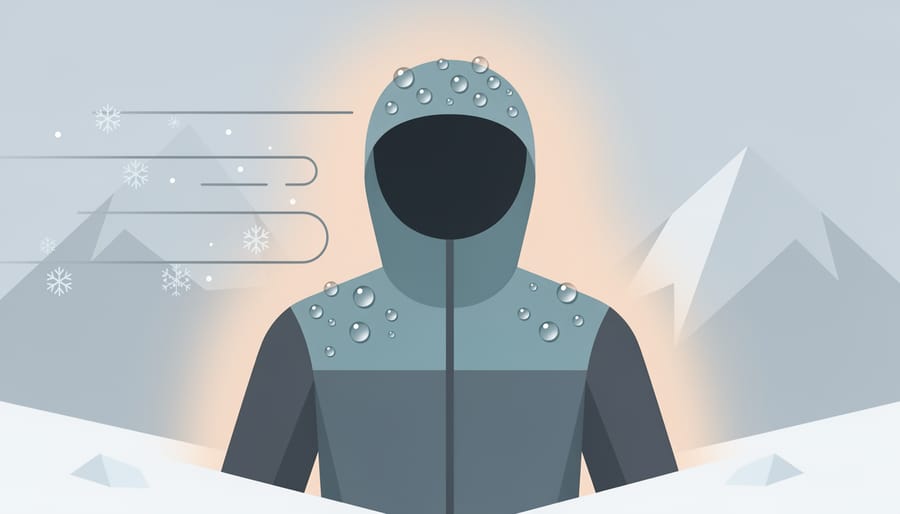
Cold, wet, and wind each pull heat off your body in a different way. Cold steadily drains warmth. Moisture, from snow or your own sweat, speeds that loss because wet insulation stops insulating. Wind strips away the thin layer of warm air near your skin, and wind chills can freeze skin far faster than the thermometer suggests.
That’s why cotton and “just a heavy coat” fall short. Cotton retains perspiration so a sweaty cotton shirt turns into a cold, damp layer against your skin. A single bulky coat also can’t adjust. You’re either sweating on the climb or shivering at the summit, with nothing to peel off or add.
Short daylight raises the stakes. You have fewer hours to cover the same trail, and getting caught after dark in the cold is a real problem.
Before any winter outing, check the forecast, set a firm turnaround time, and tell someone your route. The gear in this guide works best when that habit comes first.
Key Buying Factors: What Actually Keeps You Warm and Safe
Reading Reviews and Deals Without Getting Burned
Reviews can steer you right or wrong, so read them with a filter. Look first for people who used the gear in real cold, not on a mild fall day. A comment like “kept my fingers warm at 10 degrees on a windy ridge” tells you far more than “great jacket, love it.” Be wary of vague praise, and notice when many reviews sound suspiciously alike.
Deals deserve the same caution. A big discount only helps if the gear fits the conditions you’ll face near Dillon, where wind, snow, and short days all matter. A cheap piece that leaves you cold on the trail isn’t a bargain.
Popular “top 5” roundup videos often stress comparing features, value, reviews, and current deals before you buy. That’s solid advice. Weigh all four together, then check pricing with retailers at the time of purchase, since offers change quickly.
The Layering System Explained: Types of Winter Hiking Gear Compared
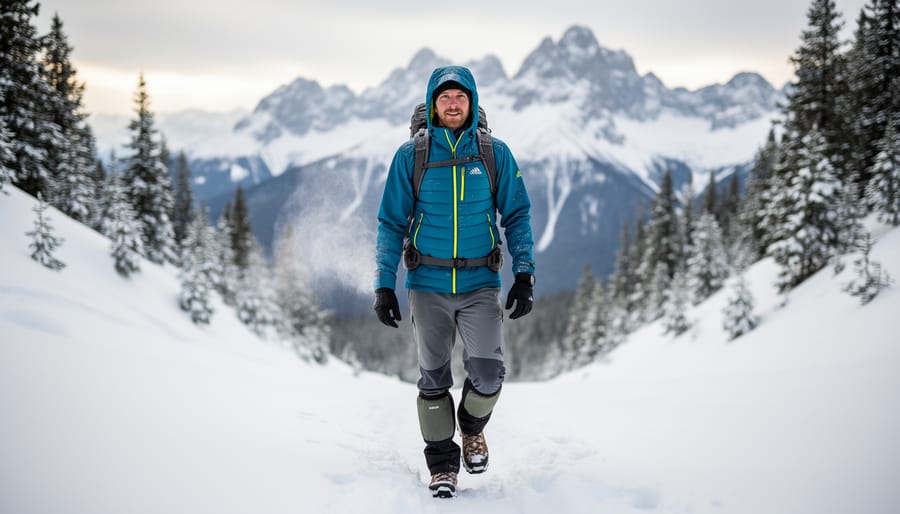
Winter hiking works because of a system, not any single heavy item. Each layer has a different job, and the trade-offs between them are where most buying decisions get made.
Your base layer sits against the skin and moves sweat away so you don’t get chilled when you stop. The insulating mid-layer, whether fleece, synthetic fill, or down, traps warm air. Fleece breathes well while you’re moving. Down packs small and feels toasty, but it loses its loft when it gets wet. Synthetic fill is the forgiving middle ground, since it keeps insulating even when damp. The outer layer blocks wind and moisture, and this is where waterproof winter gear earns its keep on a snowy Dillon trail.
| Gear type | What it does | Best for | Key consideration |
|---|---|---|---|
| Base layer | Wicks moisture off the skin | Every winter hike | Avoid cotton, which holds sweat |
| Insulating mid-layer | Traps body heat | Cold starts and rest stops | Choose by how it handles moisture |
| Waterproof/insulated outer jacket | Blocks wind, snow, and wet | Windy or snowy conditions | Can overheat while you’re moving |
| Cold-weather leggings | Adds warmth to your legs | Under pants on frigid days | Needs a layer over it in wet snow |
| Shell pants | Shields legs from wind and snow | Deep snow and breezy ridges | Look for venting and room for layers |
Insulated, hooded jackets are popular for cold days, and for good reason. They feel like a warm hug the moment you zip up. The catch is that a heavily insulated jacket can be too warm while you’re climbing. You’ll start sweating, and that damp layer turns against you the minute you stop moving. Many hikers do better wearing a lighter shell while they move and saving the big insulated jacket for breaks, summit stops, and the chilly walk back.
Cold-weather leggings, which are a common find in current winter hiking roundups, work well as a warm layer under pants. Pair them with a wind- and water-resistant outer pant when snow is deep or the wind picks up. Accessories like neck gaiters and hats fill the gaps, and that’s the next piece of the puzzle.
Head, Hands, Neck, and Feet: Small Gear That Makes a Big Difference
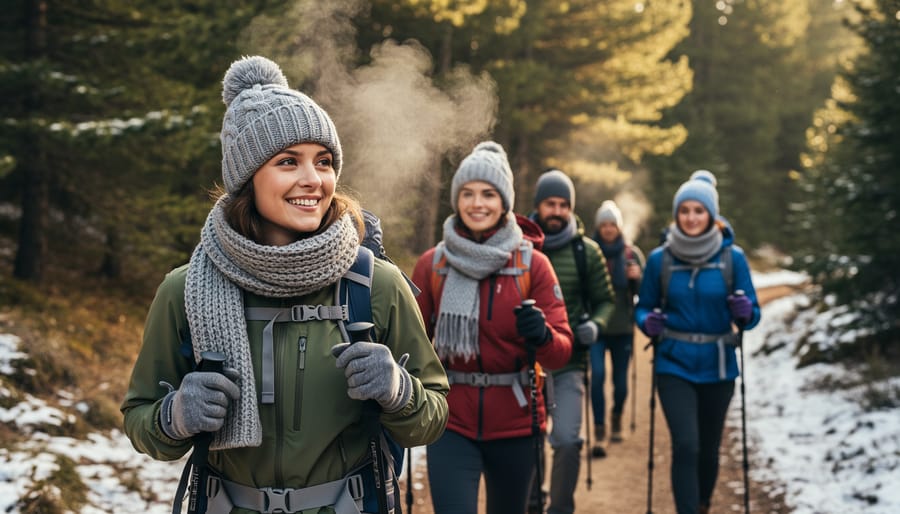
Your core stays warm longer than your fingers, ears, and toes. That’s just physiology: when it’s cold, your body pulls blood toward your vital organs and away from the edges. On a windy morning near Dillon, those edges are usually the first things to go numb, and numb hands or aching feet are what turn a good day into a short one.
Protecting them is cheap compared to the rest of your kit, and it’s where winter gear roundups for 2026 keep pointing. Popular “top 5” videos feature neck gaiter warmers, ear warmers, fleece hats built for ponytails with reflective details, and disposable hand warmers. I won’t rank any of them here, but the repeat appearances tell you what hikers are actually reaching for.
Here’s a simple accessory checklist to build around:
- A neck gaiter to seal the gap between your jacket and face
- Ear warmers for windy ridgelines and low sun
- An insulated hat, ideally with a reflective detail so others can spot you at dusk
- Gloves, plus a spare pair in case the first set gets wet
- Disposable hand warmers tucked in a pocket for emergencies and rest stops
- Wool socks, since they keep insulating even when damp
- Traction devices for icy or packed-snow sections
A few practical notes. Mittens generally hold heat better than gloves, so many hikers carry both, wearing gloves for dexterity and switching to mittens when hands cool off. Swap out damp socks at your lunch stop if you can, because wet feet drain warmth fast. And if you wear a ponytail, a hat designed for one saves you from squashing it under a beanie that never sits right.
Check current fit and details with retailers before buying, and try everything on with your actual layers.
Survival Essentials to Pack for Winter Day Hikes and Overnights
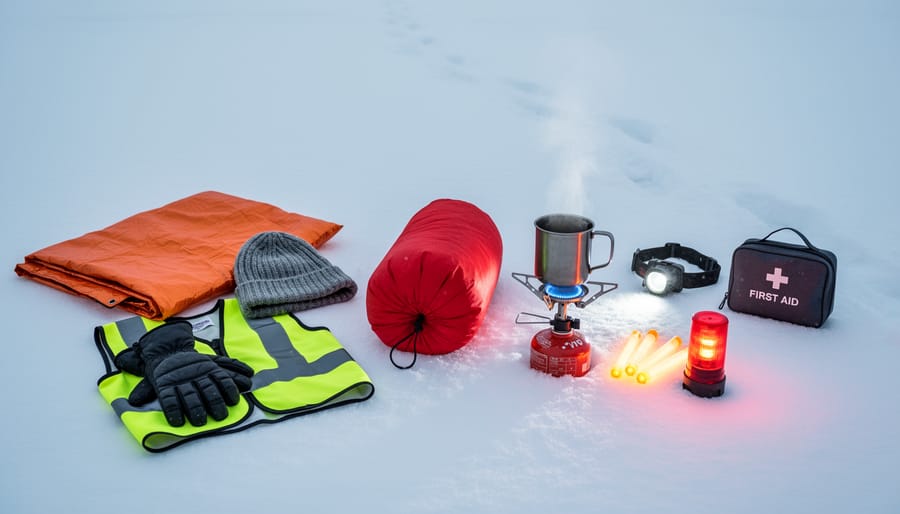
Pack for the worst-case version of your day, not the forecast. In winter near Dillon, a twisted ankle or a missed turn can turn a two-hour loop into a cold night out. That’s why the survival kit matters as much as the jacket.
Start with an emergency sleeping bag or bivvy. They’re light and cheap insurance, and emergency sleeping bag multipacks show up in current winter gear roundups, which makes them easy to add for the whole group. Pair that with one extra insulating layer that stays dry in your pack, so you have something warm to throw on the moment you stop moving.
Next, light and heat. A headlamp with spare batteries is non-negotiable, since winter daylight disappears early. Add a reliable fire starter, plus a map and compass (or a downloaded offline map) so you’re not relying on a phone that drains fast in the cold. Pack more food than you think you’ll eat, and bring a thermos of something hot. Warm drinks lift your spirits as much as your core temperature. Round it out with first-aid basics like blister care, bandages, and any personal medications.
Carrying all this takes a pack with some thought behind it. A small hiking bag may handle a short day hike, but overnights need more room. If you want to trim weight, newer lightweight backpacking gear lists are out there to browse for ideas. For more on wilderness survival basics, and a deeper checklist of survival items for Colorado trips, both are worth a read before your next outing.
Recommended Gear Setups by Hiker Type and Trip Style
If you’ve watched a few of those “top 5 best winter hiking gear” roundup videos, you’ve noticed they all circle the same items: neck gaiters, ear warmers, disposable hand warmers, emergency sleeping bags. That’s a useful shopping signal, but a ranked list can’t tell you what your day needs. So think in scenarios instead, and compare features, reviews, and current deals yourself before you buy.
- Family on a short snowy trail near Dillon: warm hats, mittens over gloves for kids, hand warmers in every pocket, spare dry socks, and a compact emergency sleeping bag in the bag.
- Solo day hiker covering more miles: breathable base layer, packable insulation you can add at rest stops, a neck gaiter, extra food, headlamp, and a navigation backup.
- Cold overnight hiker: a proper insulation system, emergency bivvy as a backup (never your main bed), fire starter, hot drinks, and a plan to keep your boots and water from freezing.
For families, splurge on warm, dry hands and feet. Cold kids end trips fast, and good mittens and wool socks are worth the money. Save on extras like fancy headwear, since a simple warm hat does the job. Solo hikers should spend on the layers they’ll actually wear while moving, because sweating then stopping is where people get chilled. You can economize on small accessories like ear warmers and disposable hand warmers.
Overnighters should put their budget into sleeping warmth and safety gear, not into shaving a few ounces off everything else. Newer lightweight gear lists are fun to browse, but don’t trade away your margin for error.
Not sure where to test any of this? Try your setup on one of the nearby winter hikes before committing to anything bigger. A short trip shows you fast what’s missing from your pack.
Common Mistakes to Avoid When Buying Winter Hiking Gear
Most winter gear regrets come from a handful of avoidable errors. Here are the ones I see most often on cold trails around Dillon.
Wearing cotton is the classic. A cotton tee or hoodie holds sweat against your skin, and once you stop moving at 9,000 feet, that dampness turns into a serious chill. Choose wool or synthetic layers instead.
Overdressing is the sneaky one. Hikers bundle up at the trailhead, start climbing, and soak their base layer within twenty minutes. Start slightly cool, then add layers when you stop. A heavy insulated jacket can be wonderful at camp and too warm while you’re moving.
Don’t pick gear for looks. Fashion-forward pieces are fine, but check that they actually block wind and shed wet snow.
Skipping emergency items because “it’s only a short hike” is risky. Mountain weather turns fast, and even compact items like hand warmers or an emergency sleeping bag take almost no pack space.
Buy boots with your thick winter socks on. A snug fit that feels fine in a store can cut off circulation in the cold.
Finally, don’t lean on one glowing review or a flashy discount. Look for feedback from people who used the gear in real cold, wind, and wet conditions.
Winter Hiking Gear FAQs
Hikers around Dillon ask the same handful of questions every season, so here are the answers I give most often.
How many layers do I need for winter hiking?
Plan on three: a moisture-wicking base layer, an insulating mid layer like fleece or synthetic fill, and a wind- and water-resistant shell. The goal is adjustability, so you can strip a layer before you sweat and add one the moment you stop.
Is waterproof gear really necessary?
For snowy trails, a waterproof or at least highly water-resistant shell is worth having, since wet clothing loses warmth fast. Waterproof outerwear is also your best wind block when a Colorado squall rolls in.
What should I carry for emergencies?
Pack an emergency sleeping bag or bivvy, an extra insulating layer, a headlamp with spare batteries, a fire starter, navigation, food, a hot drink, and basic first aid. Disposable hand warmers are cheap, light insurance too.
How do I keep my hands and feet warm?
Use wool socks (never cotton), and pick gloves or mittens with a spare pair in your pack. Tuck hand warmers inside your gloves before your fingers go numb, and keep moving to keep blood flowing.
Can I wear regular hiking boots in snow?
On packed, shallow snow, sturdy broken-in boots with warm socks can work, especially paired with traction devices. Deeper snow calls for insulated, water-resistant boots and gaiters, and leave room for thicker socks so your toes aren’t squeezed.
When should I turn back?
Turn around if the weather worsens, you’re getting wet or chilled, or you’ll run short on daylight. Set a firm turnaround time before you leave and tell someone your plan.
None of these answers require fancy gear, just honest planning. If you’re ever on the fence about a trail, a shorter loop and a warm drink back at the car beats pushing your luck in the cold.
Winter hiking gear comes down to a few priorities. Build your layers first: a moisture-wicking base, a warm mid-layer, and a shell that blocks wind and wet. Then protect your extremities with a good hat, a neck gaiter, gloves or mittens, and warm socks, because cold hands and feet end more trips than anything else. Finally, pack your emergency items, including an extra insulating layer, a headlamp, and a way to stay warm if you get stuck.
Before you commit to a big day, test your whole setup on a short, familiar trail near Dillon. Notice where you overheat, where you chill, and what you wish you’d brought. It’s a cheap way to learn what works.
When you’re ready to plan the rest, Dillon Camping & Outdoors has resources on nearby campgrounds, cabins, and weather planning to help you pick your spot and check conditions. See you out there.