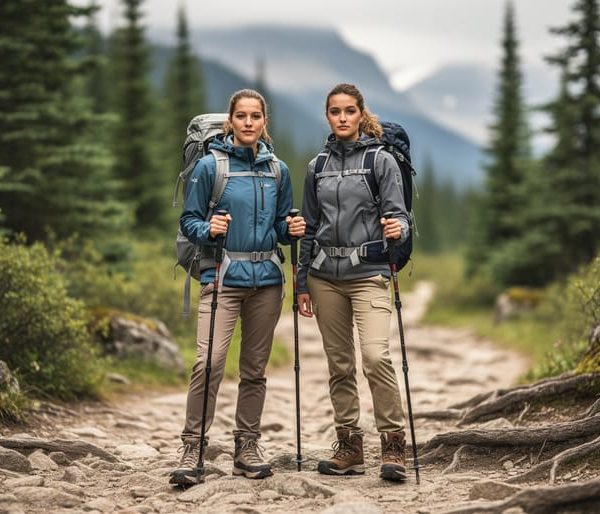
Women’s hiking clothes in Canada range from budget-friendly pieces under $60 to premium technical gear over $150, with a complete outfit typically costing between $200 and $600 depending on brand and performance features. The biggest price factors? Fabric technology (moisture-wicking versus cotton), durability (trail-tested versus casual wear), and whether you’re buying individual pieces or bundled sets.
If you’re gearing up for Silverthorne hiking routes or any Canadian trail adventure, understanding where to shop and what pricing tier fits your needs saves both money and frustration. Many budget picks are available on Amazon with Prime shipping, making it easier to test gear without driving to specialty outdoor retailers. The challenge? Finding plus-size options that don’t compromise on features or force you into the premium price bracket.
This guide breaks down exactly where Canadian hikers can buy women’s hiking clothes across every budget level, which retailers stock extended sizes, and whether assembling your own outfit beats buying pre-matched bundles. You’ll learn what drives costs up, where to find functional pieces with pockets for under $60, and how the plus-size market has shifted in the last decade from barely-there size 12 maximums to more inclusive 3X options.
What You’ll Pay for Women’s Hiking Clothes in Canada (2026 Price Ranges)
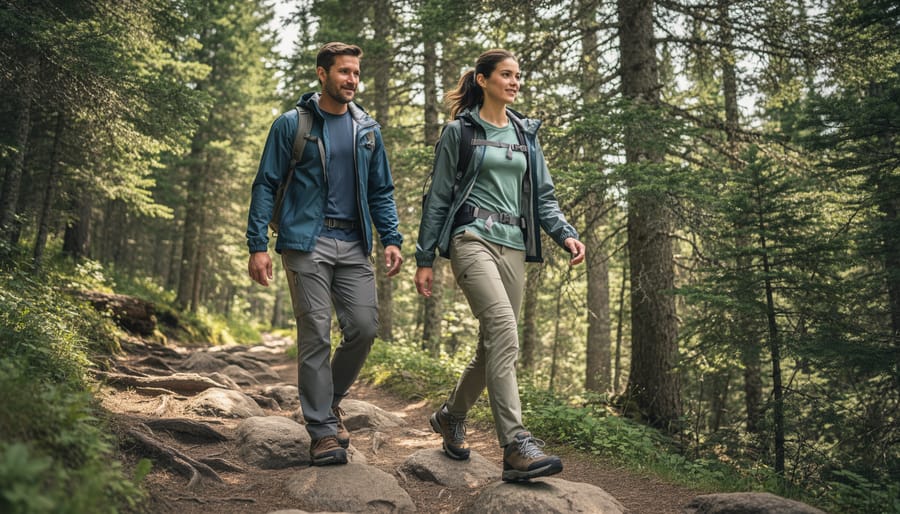
Shopping for women’s hiking clothes in Canada means navigating a wide price spectrum, from budget-friendly basics that get you on the trail to premium technical pieces designed for serious backcountry use. The good news? You can assemble a functional hiking wardrobe at almost any budget, though understanding what you get at each price tier helps you spend wisely.
Budget options under $60 per piece have become surprisingly capable. Retailers like Amazon carry hiking pants with six-pocket designs, quick-dry fabrics, and solid construction, all priced between $39 and $60 with Prime shipping available to Canadian addresses. These entry-level pieces handle day hikes and casual trail use without breaking the bank, though they typically sacrifice advanced moisture-wicking technology and durability compared to pricier alternatives.
| Clothing Category | Budget ($40-$60) | Mid-Range ($70-$120) | Premium ($130-$250+) |
|---|---|---|---|
| Hiking Pants | Basic quick-dry fabric, 4-6 pockets, limited stretch | Enhanced moisture-wicking, UPF protection, articulated knees | Advanced fabrics, reinforced panels, extended size runs |
| Base Layers & Tops | Polyester blends, standard fit, basic sun protection | Merino wool blends, flatlock seams, odor control | Premium merino, seamless construction, body-mapped ventilation |
| Footwear | Trail runners $80-$110, entry hiking boots $90-$130 | Mid-cut boots $140-$180, waterproof membranes | Technical boots $200-$300, Vibram soles, Gore-Tex |
Mid-range gear ($70-$120 per piece) delivers noticeable performance upgrades. You gain better fabric technology, improved fit through articulated construction, and features like UPF sun protection that matter during long days on exposed trails. Many mid-tier brands also offer broader size ranges, addressing the historical limitation where outdoor companies stopped at size 10 or 12.
Premium options ($130-$250 and up) target frequent hikers and those tackling challenging conditions. These pieces use proprietary fabrics, reinforced high-wear zones, and thoughtful design details earned through field testing. The premium tier also leads in size inclusivity, with options now extending to size 22 and 3X, a significant improvement from a decade ago when size 14 or 16 marked the upper limit even for well-known brands.
Feature count drives much of the price variation. A budget hiking pant might offer six pockets and quick-dry polyester. A premium version adds water-resistant coating, abrasion-resistant panels at the knees and seat, zippered vents, and fabrics that maintain performance through hundreds of washes. Whether those extras justify double or triple the cost depends on how often you hit the trails and the conditions you face.
Breaking Down Your Hiking Wardrobe Budget
Essential Bottom Layer: Hiking Pants and Joggers
Hiking pants represent your foundation piece, with solid options starting around $39. Baleaf joggers at this price point deliver comfort and movement for moderate trails, while cargo-style pants just under $40 add storage without breaking your budget. If you need more pocket capacity, MIER quick-dry pants with enhanced pocket systems sit under $60 and handle moisture well on humid summer hikes.
Inseam variety matters when you are shopping online from Canada. Many budget brands now offer short and tall lengths alongside regular cuts, though availability varies by style and colour. Check the size chart carefully, especially when ordering through Amazon Prime, as inseam options may differ between product listings.
Plus-size hikers will find options up to size 22 and 3X in several budget lines, a significant improvement from the size 10-12 ceiling that dominated outdoor brands for years. Sizes 14-16 became more common in the last decade, and the range continues expanding. Not every style comes in every size, so compare multiple options to find both the fit and features you need. Budget pants can perform well on trails if they fit properly and include functional pockets for your essentials.
Tops, Base Layers, and UPF Protection
Base layers and tops for women’s hiking range from under $30 for synthetic moisture-wicking tees to $80+ for premium merino wool or UPF-rated technical shirts. Budget hikers can find functional options well under the $60 threshold, with many moisture-wicking shirts available for $25-$40 on Amazon with Prime shipping to Canada.
Sun protection drives significant price variation. Basic hiking tops without UPF rating start around $20-$30, while dedicated UPF 50+ shirts typically range from $45-$75. Sale opportunities periodically knock 40% off UPF styles, bringing premium sun protection into budget territory. Technical features like flatlock seams, thumbholes, zippered pockets, and odour-resistant treatments add $10-$25 to base prices.
Merino wool base layers represent the premium tier at $60-$120 per piece, offering natural temperature regulation and odour control for multi-day trips. Synthetic alternatives deliver similar moisture management at $30-$50. For Canadian trail conditions spanning cool mountain mornings to midday sun exposure, layering budget-friendly pieces often outperforms a single expensive top.
Footwear Investment
Expect to invest $80 to $250 for women’s hiking boots or trail shoes, making footwear your single largest clothing expense. Budget trail runners start around $80, while quality mid-cut hiking boots typically run $120 to $180. Premium technical boots with advanced ankle support and waterproofing can reach $250 or more.
This price premium makes sense: your boots absorb constant impact, protect against twisted ankles on uneven terrain, and determine whether you finish a hike comfortably or hobble back with blisters. Cheap footwear fails faster and costs more through replacements, while a $150 pair that lasts three seasons proves cheaper per outing than $60 shoes that fall apart after one summer.
Canadian hikers face additional considerations like variable weather and rocky mountain trails that demand reliable traction and waterproofing. Unlike a $40 pair of hiking pants you can replace easily, boots require proper fit and break-in time, making the initial investment crucial to get right.
What Drives the Price of Women’s Hiking Gear
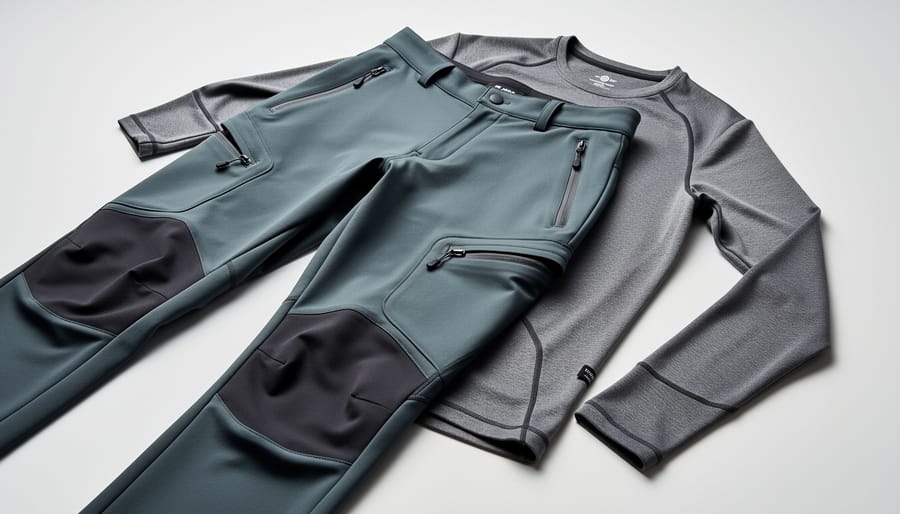
Several interconnected factors determine what you’ll pay for women’s hiking clothing in Canada, and understanding them helps you spot genuine value versus marketing fluff. The difference between a $40 pair of hiking pants and a $120 pair often comes down to measurable features rather than arbitrary brand markup.
Fabric technology represents the most significant cost driver. Quick-dry synthetics that wick moisture away from skin cost more to engineer and produce than basic cotton blends. UPF sun protection, built-in stretch panels, and advanced moisture management systems all push prices higher, but these features genuinely improve performance on trail. A budget shirt might dry overnight; a technical fabric dries in two hours and prevents chafing during a full day’s hike.
Pocket design matters more than most shoppers realize. Basic hiking pants might have two front pockets; mid-range options offer four to six pockets including secure zippered compartments for phones and keys. The verified budget picks under $60 often include six-pocket designs, proving you don’t always pay premium prices for this feature. However, reinforced pocket construction, water-resistant zippers, and strategically placed pockets that don’t interfere with backpack hip belts typically appear in higher-priced pieces.
Several specific elements affect pricing across categories:
- Fabric technology: quick-dry, moisture-wicking, and UPF protection add $15-40 per garment
- Pocket count and security: six-pocket designs with zippered compartments cost $10-25 more than basic two-pocket styles
- Size range inclusivity: brands offering extended plus sizes (up to 22 and 3X) often price identically to standard sizes, but limited availability can create scarcity premiums
- Construction durability: reinforced seams, abrasion-resistant panels, and quality stitching justify $20-50 increases
- Brand positioning: established outdoor brands charge 30-50% more for equivalent features compared to newer direct-to-consumer labels
Size range availability presents a complex pricing picture. Extended plus sizes cost manufacturers more to produce due to pattern grading and fabric quantities, yet many brands price them identically to avoid discrimination concerns. The real cost shows up in limited selection, fewer styles, colors, and retailers carrying sizes beyond traditional ranges means less competition and fewer sale opportunities for Canadian shoppers needing those sizes.
Brand reputation influences price, but not always proportionally to quality. Established names command premium pricing based on heritage and perceived reliability. Direct-to-consumer brands and Amazon basics often deliver comparable performance at 40-60% lower prices, sacrificing only the logo recognition and retail store presence.
Budget Shopping: Building Your Kit Under $60 Per Piece
Where to Find Affordable Women’s Hiking Clothes in Canada
Canadian hikers have solid access to affordable women’s hiking clothing without crossing the border. offers the widest selection of budget picks, many with Prime shipping that gets gear to your door quickly, crucial when you’re outfitting for a weekend trip. Most of the verified budget options under $60 ship within Canada, eliminating customs delays and surprise duty fees.
Sportchek and Atmosphere carry budget-friendly house brands alongside name-brand gear, with physical locations across the country where you can try before buying. Winners and Marshall’s stock discounted outdoor apparel, though selection varies by location and season. For plus-size options up to 3X, currently provides the most consistent inventory, while specialty retailers are gradually expanding their size ranges beyond the traditional size 10-12 cutoff.
Shopping online from Canadian retailers means straightforward returns and exchanges without international shipping hassles. Prime membership pays for itself quickly if you’re assembling a full kit, since budget pieces like quick-dry pants and UPF shirts typically qualify for free two-day delivery. Cross-border ordering from U.S. retailers rarely makes financial sense once you factor in shipping costs, currency conversion, and potential duties on clothing imports.
Smart Budget Picks: What to Look For
Finding budget hiking clothes that actually work on the trail requires knowing which features matter. Start with pocket count, six-pocket designs exist in the under-$60 range and make a real difference when you need quick access to snacks, a trail map, or your phone without stopping to dig through a pack. Cargo-style hiking pants with secure zippered pockets keep essentials safe on steep climbs.
Fabric technology separates functional gear from cotton workout clothes marketed as hiking wear. Quick-dry synthetic materials or moisture-wicking blends dry fast after stream crossings or sudden weather changes, essential for mountain environments. Check fabric weight too: lightweight options suit summer trails while heavier weaves handle cooler shoulder seasons.
Size availability matters beyond fit. Budget brands that offer extended sizing up to 3X demonstrate they’re manufacturing for actual hikers, not just stocking token sizes. Real inseam options (short, regular, tall) mean the pants actually work on varied body types instead of bunching at ankles or riding up calves.
Avoid false economy by checking construction details before buying. Reinforced knees and seat areas extend lifespan on rocky trails. Flatlock seams prevent chafing during long days. Adjustable waistbands accommodate layering as temperatures shift throughout a hike.
The lowest price tag doesn’t always save money if the piece fails after three outings. Look for budget options that include trail-tested features, articulated knees for climbing, UPF sun protection, and gusseted crotches for unrestricted movement. These details indicate gear designed for actual hiking, not just athleisure adapted for outdoor marketing.
Mid-Range and Premium Options: When to Spend More
Budget gear works fine for occasional outings, but stepping up to mid-range ($80, $150 per piece) or premium ($150+) hiking clothes makes sense when you’re logging serious trail time or facing harsh conditions. Frequent hikers, those tackling alpine terrain weekly or planning multi-day treks, benefit from the durability premium brands deliver. A $120 pair of hiking pants with reinforced knees and seat can outlast three budget pairs, lowering your cost per wear and keeping you comfortable across hundreds of kilometres.
Extreme weather protection justifies higher spend. Premium base layers with advanced moisture-wicking keep you dry during exertion and warm when temperatures drop, critical for Canadian shoulder seasons and mountain weather swings. Mid-range softshell jackets ($100, $180) offer wind resistance and breathability that budget shells can’t match, while premium hardshells ($200, $350) provide waterproof-breathable membranes that perform reliably in sustained rain, essential if you’re caught in a downpour hours from the trailhead.
Specialized features matter for serious adventurers. Look for articulated knees that move with you on steep ascents, zippered vents that dump heat without stopping to strip layers, and secure chest pockets sized for phones or GPS units. Premium brands often include thoughtful details: thumb loops that keep sleeves down, gusseted crotches that prevent binding, and flatlock seams that eliminate chafing over long distances.
Consider upgrading strategically. Invest in premium footwear and base layers first, they directly affect comfort and safety. A $180 pair of hiking boots with quality ankle support and waterproof construction prevents blisters and twisted ankles. Mid-range pants and shirts fill the gap nicely, delivering performance features without the premium brand markup.
If you hike twice yearly, budget picks suffice. If you’re planning week-long backcountry trips or year-round trail exploration, mid-range and premium gear becomes a practical investment that enhances both safety and enjoyment on demanding Canadian terrain.
The Plus-Size Challenge: Costs and Availability
Finding plus-size hiking clothes has historically been a frustrating experience for many women. For decades, most outdoor brands stopped their size ranges at 10 or 12, leaving larger hikers to make do with ill-fitting alternatives or men’s gear that didn’t account for women’s body shapes. This sizing gap wasn’t just inconvenient, it was a real barrier to getting properly equipped for trails anywhere, from local Canadian parks to mountain adventures farther afield.
The landscape has improved in the last decade or so. Sizes 14 and 16 have become more common across outdoor brands, and today you can find women’s hiking clothes extending up to size 22 and 3X from select retailers. This expansion means more Canadian hikers can access functional gear designed for their bodies rather than settling for compromises that affect comfort and performance on the trail.
The good news: plus-size options don’t automatically cost more. You’ll find budget-friendly plus-size hiking pants and tops under $60, the same price range as smaller sizes. Many of these budget picks are available on Amazon with Prime shipping, making them accessible to Canadian shoppers without cross-border hassles or extended wait times. The pricing parity holds across budget, mid-range, and premium tiers, when a brand offers extended sizes, they typically charge the same regardless of size.
The challenge remains availability rather than cost. Not every brand or style comes in extended sizes, which narrows your selection. You might find a highly-rated hiking pant with perfect pocket configuration only available up to size 14, forcing you to choose between features you want and proper fit. Canadian retailers with physical locations may stock limited size ranges, making online shopping your best bet for accessing the full spectrum of available options.
When shopping for plus-size hiking gear, prioritize retailers that explicitly list their size ranges and provide detailed measurements rather than relying on vague size charts. Check return policies carefully, since fit becomes even more critical when selection is limited.
Assembling vs. Buying Pre-Selected Bundles
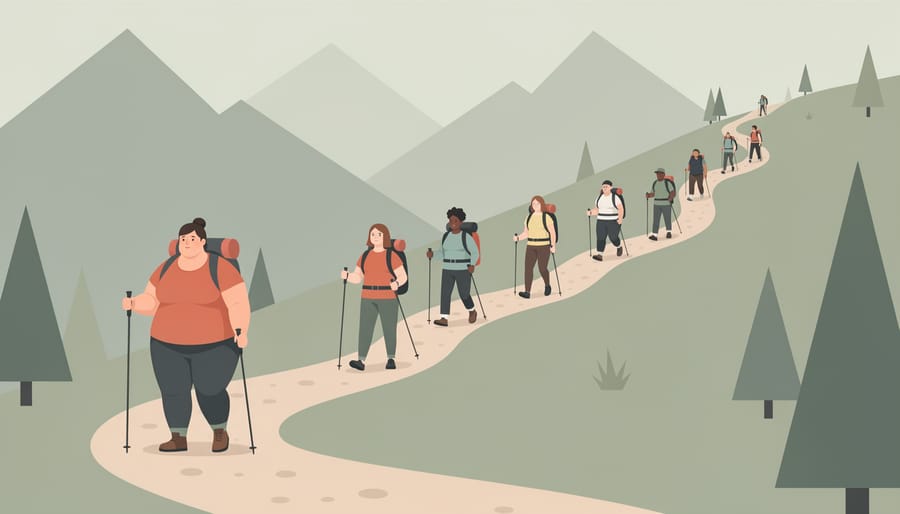
Most Canadian hikers face a choice: build your wardrobe piece-by-piece or purchase a pre-selected bundle. Each approach carries distinct cost implications and practical trade-offs worth examining before you commit your budget.
Assembling your kit individually offers complete control over each purchase. You can hunt for those budget picks under $60, wait for Prime shipping deals, and replace only worn items rather than entire outfits. This method works especially well if you already own some suitable pieces or need specific sizing, critical for plus-size shoppers seeking options up to size 22 and 3X, where bundle availability remains limited. The downside? You’re responsible for ensuring everything works together, and shipping costs can accumulate across multiple orders.
Pros
- Complete control over fit, features, and budget allocation for each piece
- Freedom to mix budget and premium items based on your priorities
- Easier to accommodate plus-size needs and specific pocket requirements
- Replace individual worn items without repurchasing entire outfits
Cons
- Time-consuming research to ensure pieces work together across conditions
- Shipping costs can add up across multiple separate orders
- No guaranteed color coordination or technical compatibility between brands
- Risk of analysis paralysis when choosing from endless individual options
Pre-selected bundles and capsule collections promise convenience and curated coordination. Some retailers offer themed sets designed for specific activities, day hiking, multi-day treks, shoulder-season adventures, with pieces that complement each other technically and aesthetically. When bundles go on sale, they occasionally beat piece-by-piece pricing. However, bundles rarely accommodate diverse body types well, often stopping at traditional size ranges rather than extending to 3X. You also can’t swap out pieces you already own, potentially forcing you to buy redundant items.
For Canadian hikers preparing for variable conditions, from summer alpine trails to cool shoulder-season outings, piece-by-piece assembly typically delivers better value and fit, especially when working within a budget or requiring extended sizes.
Trail-Ready on Your Terms: Gear Choices for Every Budget
The trail doesn’t care about your clothing budget. What matters is whether you’re prepared for the conditions you’ll face, from exposed alpine ridges to shaded forest paths. Whether you invest $150 in a complete hiking outfit or $600 in premium technical pieces, the fundamentals remain the same: understanding weather basics for mountain environments and packing the right layers for sudden temperature swings.
Budget hikers assembling a kit under $60 per piece can tackle the same terrain as those wearing premium gear, provided they choose functional designs with proper coverage, moisture-wicking fabrics, and adequate pocket storage for trail essentials. Quick-dry pants and breathable base layers perform reliably across price points. The difference shows up in durability over seasons and specialized features like advanced weatherproofing, not in basic trail safety.
Mountain weather demands respect regardless of what you spend. Conditions shift rapidly at elevation, turning sunny morning hikes into afternoon wind and rain scenarios. Layering capability beats expensive single pieces every time. A $40 base layer, $50 insulating mid-layer, and $80 weatherproof shell outperform a $300 jacket if the conditions demand adaptable coverage.
Beyond clothing, carry wilderness survival essentials matched to your route length and remoteness. Navigation tools, emergency shelter, fire-starting materials, and extra food matter more than brand names on your hiking pants. Allocate your budget accordingly. Spend enough to stay dry, comfortable, and protected, but recognize that proper preparation and trail awareness trump premium price tags when conditions turn challenging. Your gear choices should reflect the terrain and weather you’ll encounter, not an arbitrary spending tier.
DIY vs Hiring a Pro
Assembling your own women’s hiking outfit gives you complete control over fit, features, and cost, though it demands research time upfront. You’ll spend hours comparing fabrics, pocket configurations, and size charts, but you can mix budget pants under $60 with a premium jacket where it matters most for your conditions. This approach works well when you choose a trail with specific demands, like needing UPF protection for exposed alpine routes or extra pockets for navigation tools.
Hiring a personal stylist or outdoor gear consultant costs $100-300 for a session but delivers curated selections fast, especially valuable if you struggle with plus-size availability or need technical guidance. The risk is overspending on unnecessary premium features or getting steered toward brands with commission incentives rather than genuine value.
Most Canadian hikers DIY successfully using local hike ideas to guide their gear choices, ordering budget picks from Amazon Prime for easy returns. Save professional help for complex needs like custom sizing or expedition preparation. Either way, understanding why switchbacks matter on steep terrain helps you choose pants with proper stretch and durability regardless of your assembly method.
Steps at a Glance
Here’s your action plan for assembling a complete women’s hiking wardrobe in Canada without overspending:
- Start with the essentials: hiking pants with pockets (budget options under $60), moisture-wicking base layers, and a supportive sports bra designed for movement.
- Invest where it matters most by allocating your largest budget share to quality hiking boots or trail shoes, as footwear directly impacts comfort and safety on the trail.
- Check Amazon for budget picks with Prime shipping to access the widest selection of affordable options without cross-border delays or unexpected customs fees.
- Verify size availability upfront, especially if you need plus-size options beyond traditional size 12, as not all brands stock extended sizing up to 3X.
- Build gradually by purchasing pieces across different budget cycles rather than everything at once, allowing you to test what works before committing to a full wardrobe.
- Prioritize versatility by choosing neutral colors and technical fabrics that layer well, so each piece works for multiple trail conditions and seasons.
This systematic approach keeps costs manageable while ensuring you have functional gear ready when trail conditions demand it. Canadian hikers face diverse weather patterns, so building a flexible wardrobe over time lets you adapt your kit to the specific mountains, forests, and terrain you explore most often.
Common Questions About Women’s Hiking Clothing Costs
Outfitting yourself for the trail raises practical questions about what to buy, how much to spend, and where to find gear that works. Here’s what Canadian hikers most often want to know.
What’s the minimum budget for a complete hiking outfit?
You can assemble a functional outfit for under $200 by focusing on budget pieces under $60 each, quick-dry pants, moisture-wicking shirts, and a mid-layer fleece. Footwear typically adds another $80-150, making a complete kit possible for $300-350 total.
Do plus-size hiking clothes cost more than standard sizes?
Not typically. Most brands price extended sizes the same as their standard range, though the selection remains more limited with fewer brands offering sizes above 16.
Which pieces should I prioritize if I can’t afford everything at once?
Start with proper footwear and moisture-wicking bottoms, then add quick-dry shirts and a rain layer. You can hike safely in regular athletic wear for tops initially, but moisture-managing pants and reliable boots make the biggest difference in comfort and safety.
Is budget gear safe enough for mountain trails?
Yes, when chosen carefully. Budget pieces under $60 with features like quick-dry fabrics and functional pockets perform well on day hikes. The key is avoiding cotton, ensuring proper fit, and always carrying weather-appropriate layers regardless of what you paid for them.
Shopping timing matters. Many retailers run clearance sales at season transitions, late August for summer gear, March for winter stock. Amazon Prime shipping makes trying multiple sizes practical for Canadian shoppers, since you can return what doesn’t fit without cross-border hassles.
The plus-size question goes beyond cost. While prices stay consistent, finding options above size 16 requires more searching. Brands that traditionally stopped at size 10 or 12 have expanded in the last decade, with sizes 14-16 becoming more common and some ranges now extending to size 22 and 3X. The availability challenge costs you time more than money.
Premium brands justify higher prices through durability and specialized features. If you hike weekly or tackle multi-day trips, investing in technical fabrics and reinforced construction pays off over years of use. Weekend hikers doing moderate trails get excellent value from mid-range options, while budget picks under $60 serve occasional adventurers perfectly well.
Don’t confuse quality with safety. A $40 pair of quick-dry pants with six pockets protects you as effectively as $120 premium versions for day hikes in normal conditions. Where you spend matters more than how much, prioritize moisture management, weather protection, and proper footwear over brand names. Build your kit within your budget, then get out on the trails.
Quality women’s hiking clothing in Canada doesn’t require premium prices or specialist boutiques. From budget picks under $60 with Prime shipping to technical gear engineered for extreme conditions, functional options exist at every price point. The key is matching your investment to your actual trail plans rather than chasing expensive features you won’t use.
Prioritize fit and function over brand prestige. A well-fitting budget pant with six pockets and quick-dry fabric will serve you better than an ill-fitting premium piece bought on sale. If you’re exploring new trails seasonally, mid-range pieces offer excellent value. Weekend warriors tackling diverse terrain benefit from investing more in footwear and weather protection while keeping base layers affordable.
Plus-size hikers now have genuine options up to size 22 and 3X, a significant improvement from the traditional size 10-12 ceiling. Start with the essentials, build your wardrobe gradually, and remember that proper preparation beats expensive gear every time. Check weather forecasts before heading out, layer appropriately for mountain conditions, and choose clothing suited to the specific trails you’ll tackle. Your hiking adventures deserve gear that works, whatever your budget allows.