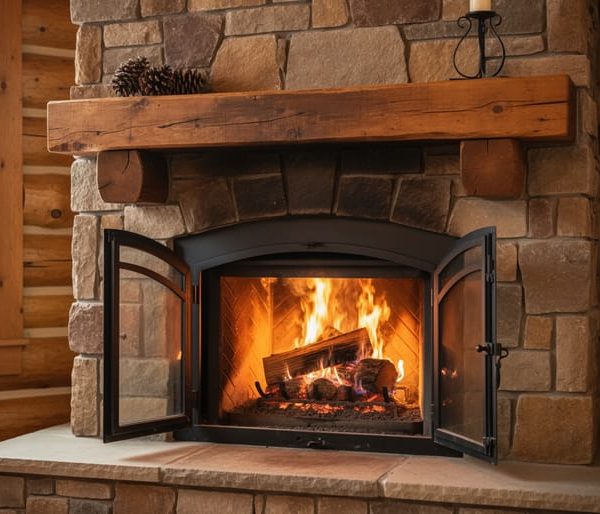
The single most important thing to verify before you book that cozy cabin with a wood-burning fireplace near Dillon? Ask the host whether the fireplace is fully operational and permitted for guest use. Sounds obvious, but every winter, families arrive at mountain rentals only to discover the “charming stone fireplace” in the listing photos is purely decorative, hasn’t been cleaned in years, or comes with a restriction that bans actual fires during their stay.
Here’s your quickest diagnostic: before you hand over your credit card, directly message the property owner and ask three questions. Is the fireplace currently working? When was the chimney last inspected? Are there any fire restrictions or permit requirements I should know about? Their response will tell you everything. A detailed, confident answer means you’re probably safe to book. Vague replies or radio silence? Red flag.
The stakes are higher than just missing out on s’mores by the hearth. A neglected chimney can fill your rental with smoke within minutes, trigger carbon monoxide detectors, or worse, pose a genuine safety hazard to your group. In Colorado’s high country, where winter temperatures regularly drop below freezing, a non-functional fireplace isn’t just disappointing, it can derail your entire trip if the backup heating fails.
This guide walks you through the full pre-booking checklist: spotting warning signs in listings, understanding common fireplace problems in mountain cabins, and knowing when to learn more about professional inspections before your arrival.
Signs Your Rental Fireplace May Be Problematic
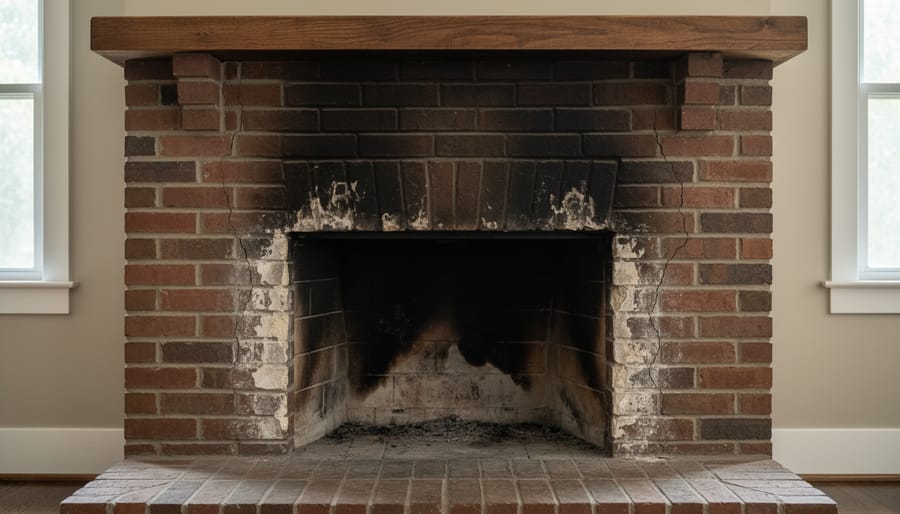
Before you commit to booking that cozy cabin with a promised wood-burning fireplace, learn to spot the warning signs that can save you from a frustrating, smoke-filled stay. Rental listings don’t always tell the whole story, and a few minutes of detective work through photos, descriptions, and past guest feedback can reveal serious red flags.
Start with the listing photos. Look for discoloration or dark staining above the fireplace mantel, telltale signs of poor draft or a malfunctioning flue that lets smoke escape into the room. Check whether the hearth area looks well-maintained or neglected; cracked bricks, missing mortar, or piled-up ash suggest the owner hasn’t invested in proper upkeep. If photos show the fireplace from odd angles or skip interior shots of the firebox entirely, the host may be hiding something.
Pay close attention to how the listing describes fireplace operation. Vague phrases like “fireplace available” or “decorative fireplace” without clarifying whether it’s functional should raise immediate concerns. If there’s no mention of firewood supply, storage location, or operating instructions, you’ll likely arrive to find yourself scrambling. Listings that bury fireplace details in fine print rather than highlighting them as a feature often signal problems the host would rather downplay.
- Smoke damage visible on walls, ceiling, or mantel in listing photos
- Ambiguous descriptions using terms like “decorative” without confirming functionality
- No information about firewood availability, supply, or storage
- Multiple guest reviews mentioning smoke issues, difficult operation, or disappointment
- Missing details about damper, flue inspection, or maintenance history
- Photos that avoid showing the firebox interior or chimney exterior
Guest reviews tell the unfiltered truth. Search specifically for mentions of the fireplace, if three different visitors over the past season complained about smoke backing up, a stuck damper, or receiving green firewood, believe them. For properties near outdoor recreation hubs like Lake Dillon camping areas, check whether past guests mentioned seasonal fire restrictions that prevented use entirely, since hosts sometimes advertise fireplaces year-round despite predictable burn bans.
Common Reasons Cabin Fireplaces Disappoint Guests
Cabin guests expect a crackling fire to frame snowy Summit County evenings, but reality often falls short. Understanding why fireplaces disappoint helps you ask the right questions before you book.
The Amenity That Isn’t Actually Functional
Many listings advertise wood-burning fireplaces without clarifying their current operational status. A fireplace might exist in the cabin but remain closed off due to failed inspections, cracked flue liners, or liability concerns the owner hasn’t resolved. Some property managers leave the listing unchanged after decommissioning a unit, assuming guests will discover the truth only after arrival. In competitive rental markets like Dillon, hosts hesitate to remove attractive amenities from their descriptions even when those features no longer work.
Colorado Mountain Fire Restrictions
Summit County enforces seasonal burn bans that can shut down wood-burning fireplaces entirely during dry periods or poor air quality days. Stage 1 restrictions typically prohibit outdoor fires but may allow indoor fireplaces with proper enclosures and spark arrestors. Stage 2 bans often prohibit all wood burning, including fireplaces, regardless of cabin features. These restrictions change rapidly based on drought conditions, wind forecasts, and regional wildfire activity. A cabin booked months in advance might face an active ban when you arrive in late summer or early fall.
- Damper
- The movable metal plate inside the chimney throat that opens to allow smoke to escape and closes to prevent heat loss and downdrafts when the fireplace isn’t in use.
- Flue
- The interior passage of the chimney that channels smoke and gases from the firebox to the outside; blockages or damage here cause smoke to back into the cabin.
- Seasoned Wood
- Firewood dried for at least six months to reduce moisture content below 20 percent, allowing it to burn cleanly without excessive smoke or creosote buildup.
- Burn Ban
- A temporary restriction issued by local authorities prohibiting wood burning due to drought, high winds, or air quality concerns; violations carry fines in Colorado.
Firewood Quality and Availability
Listings promise firewood without specifying quantity or condition. Green, unseasoned logs produce thick smoke, refuse to stay lit, and leave guests frustrated after wasting matches and kindling. Some cabins provide only three or four split logs for a week-long stay, forcing guests to source additional wood in unfamiliar mountain communities where supplies run short during peak season. At Dillon’s 9,000-foot elevation, fires require more wood than lowland hearths to maintain the same heat output.
Operational Confusion and Missing Instructions
Guests unfamiliar with wood-burning systems make costly mistakes when hosts provide no clear guidance. They light fires without opening the damper, overfill the firebox, or use improper materials that damage the firebox lining. Property managers assume fireplace operation is intuitive, but altitude, cabin-specific quirks, and regional wood types create variables that trip up even experienced users.
Your Pre-Booking Fireplace Checklist: Step-by-Step
Questions to Ask the Host or Property Manager
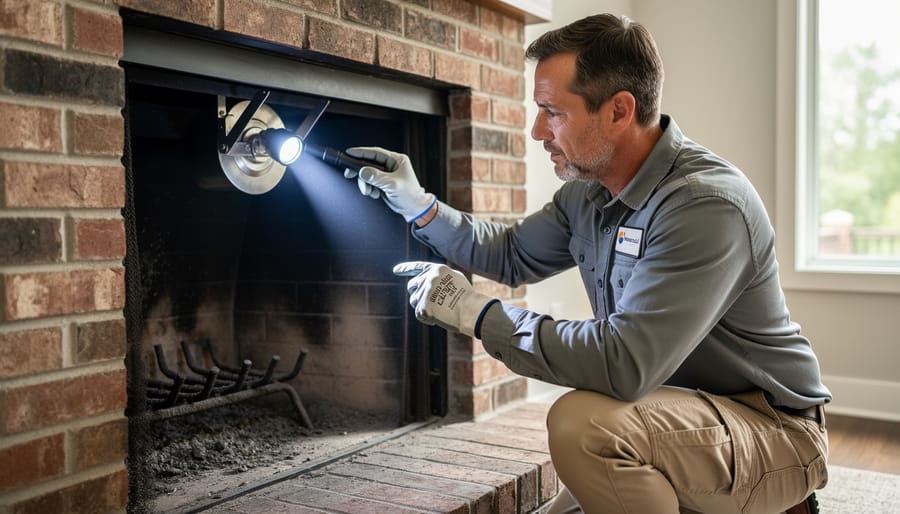
Contact the host or property manager directly with these specific questions before finalizing your Dillon cabin reservation:
Operational Status and Inspection
Ask when the fireplace was last inspected and by whom. Request documentation if available. Inquire whether the unit is currently functional and if any guests reported issues during recent stays. Find out if there are known problems with smoke draw, damper operation, or chimney draft.
Firewood and Supplies
Clarify whether firewood is included with your rental or if you need to purchase it separately. Ask how much is provided, where it’s stored, and if it’s properly seasoned. Confirm whether fire starters, kindling, or newspaper are supplied, and where you can buy more if needed.
Usage Instructions and Restrictions
Request detailed operating instructions, including how to open the damper, start fires safely, and manage airflow. Ask about any guest usage policies, some properties limit burn hours, require supervision, or restrict certain wood types. Find out if there are seasonal restrictions or if the fireplace was recently affected by county burn bans.
Safety and Liability
Confirm the presence of working carbon monoxide detectors and ask about their last battery replacement. Inquire about fire extinguisher location and whether you’re responsible for any cleaning fees or damage deposits related to fireplace use. Understanding these details protects both your safety and your wallet.
Checking Local Fire and Burn Restrictions
Contact the White River National Forest office or visit Summit County’s official website before finalizing your reservation to check current fire restrictions. Colorado mountain areas frequently implement stage 1 and stage 2 fire bans during dry conditions, high winds, or elevated wildfire risk, and these orders can prohibit all wood-burning fires, including in cabins, with little notice. Summit County typically posts active restrictions on its emergency management page, and you can call the Dillon Ranger District directly at (970) 468-5400 for the latest conditions.
Air quality is another factor: when nearby wildfires or prescribed burns create heavy smoke, county health officials may issue burn advisories that apply even when no formal ban is in effect. The Colorado Department of Public Health & Environment maintains a real-time air quality map showing particulate matter levels across the state. If you’re sensitive to smoke or traveling with children, monitor the AQI (Air Quality Index) for Dillon in the days leading up to your stay, readings above 100 suggest limiting outdoor activities, and many cabin owners voluntarily ask guests to skip fires when smoke is already heavy. The same dispersed camping rules that govern backcountry campfires also inform cabin fireplace restrictions during ban periods, so understanding the broader forest service guidelines helps you anticipate how strictly local regulations are enforced.
Reviewing the Listing’s Fine Print
The rental agreement often reveals what the listing photos won’t. Look for clauses about fireplace use, some properties prohibit wood fires entirely despite listing a fireplace as an amenity. Others restrict usage to certain hours or require advance notice.
Pay close attention to damage deposit terms. Many Dillon-area cabin rentals hold an extra $200 to $500 if you plan to use the fireplace, covering potential creosote buildup, ash damage to flooring, or smoke residue on walls. These deposits may not appear in the initial price quote.
Cleaning fee structures matter too. Standard cleaning might not include fireplace cleanup. Expect additional charges of $50 to $150 if you use the fireplace, especially if you leave ash in the firebox or fail to dispose of it properly according to property guidelines.
Watch for liability disclaimers that shift responsibility for injuries or property damage to you as the renter. If the agreement states “use at your own risk” without mentioning recent inspections or safety certifications, that’s a significant warning sign about the owner’s confidence in their fireplace’s condition.
Essential Fireplace Features and Safety Elements
A truly functional wood-burning fireplace requires more than just a firebox and chimney. Before you book that Dillon-area cabin, you need to understand which safety features matter and why their absence could ruin your stay or, worse, put you in danger.
| Safety Feature | Purpose | What to Verify |
|---|---|---|
| Working Damper | Controls airflow and prevents downdrafts | Ask if it opens/closes smoothly and seals properly |
| Chimney Cap | Keeps rain, animals, and debris out | Request photo showing cap is intact and secure |
| Carbon Monoxide Detector | Alerts to dangerous CO buildup | Confirm installation within 15 feet of fireplace |
| Fire Screen or Glass Doors | Contains sparks and embers | Verify presence and condition in listing photos |
| Hearth Extension | Protects flooring from heat and sparks | Check for non-combustible surface extending 16-18 inches |
The damper deserves special attention. This metal plate inside the chimney throat controls smoke ventilation, and a stuck or broken damper turns your cozy fire into a smoke-filled nightmare. Ask the host when it was last inspected and whether previous guests have had issues opening or closing it. At Dillon’s 9,000-foot elevation, a properly functioning damper matters even more because thinner air affects draft and combustion.
Ventilation extends beyond the damper itself. The chimney must draw smoke effectively, which requires adequate height above the roofline and proper interior dimensions. A chimney that worked fine at lower elevations may struggle in Summit County’s mountain environment. If the listing shows a short chimney or one surrounded by taller trees or structures, ask specifically about draft performance.
Carbon monoxide detectors are non-negotiable. Wood fires produce this odorless, deadly gas, and poor ventilation or incomplete combustion increases the risk. The detector should be hardwired or have fresh batteries, positioned near sleeping areas and within 15 feet of the fireplace. Don’t assume the cabin has one just because it has smoke detectors.
Clearance matters more than most renters realize. The National Fire Protection Association requires 36 inches of clearance between the firebox opening and any combustible materials like furniture, curtains, or decorative items. Check listing photos for couches positioned too close or mantels loaded with flammable decor. Mountain cabins often have wood paneling and exposed beams, making proper clearance even more critical.
The hearth extension should be non-combustible material, tile, brick, or stone, projecting at least 16 inches in front of the fireplace and 8 inches on each side. This protects the floor from rolling logs and flying embers. If listing photos show a flush firebox opening or carpeting nearby, that’s a red flag worth investigating before you book.
Firewood Logistics: What Your Cabin Should Provide
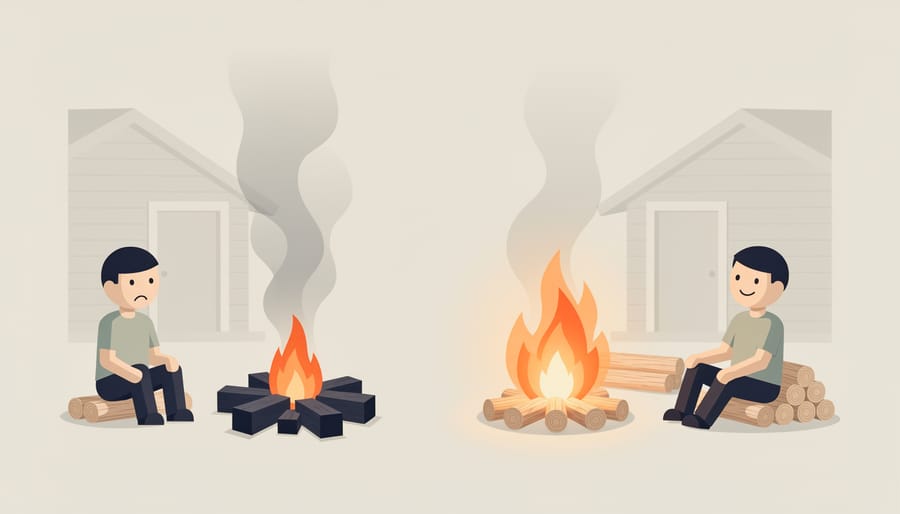
Firewood is the fuel for your entire cabin experience, yet many guests don’t think to ask about it until they arrive to find a single decorative log or an empty woodpile. Before booking, confirm exactly what the host provides. Some cabins include an initial supply, typically enough for two or three evening fires, while others expect you to source your own. Ask how much wood is included (measured in wheelbarrow loads, armfuls, or bundles) and where it’s stored. An outdoor covered shed near the entrance is ideal; firewood stacked directly against the cabin exterior suggests moisture problems and potential pest issues.
Seasoning quality matters enormously at Dillon’s 9,000-foot elevation. Properly seasoned wood has been dried for six months to a year, shows cracks in the end grain, sounds hollow when struck together, and feels lightweight. Green or wet wood smokes excessively, produces little heat, and creates dangerous creosote buildup in the chimney. If the listing doesn’t specify “seasoned firewood provided,” ask directly. Freshly split wood won’t burn well, no matter how carefully you follow weather basics or pack camp safety essentials.
Establish backup options before you book. Find out if the host sells additional bundles and at what price, resort-area firewood can run fifteen to twenty dollars per bundle. Identify nearby suppliers: gas stations along Highway 6, grocery stores in Silverthorne, and seasonal roadside vendors. Some cabins prohibit guests from bringing outside wood due to invasive beetle concerns, so clarify the policy. Knowing your firewood plan eliminates mid-stay scrambling and ensures cozy fires throughout your mountain getaway.
Preventing Fireplace Problems During Your Stay
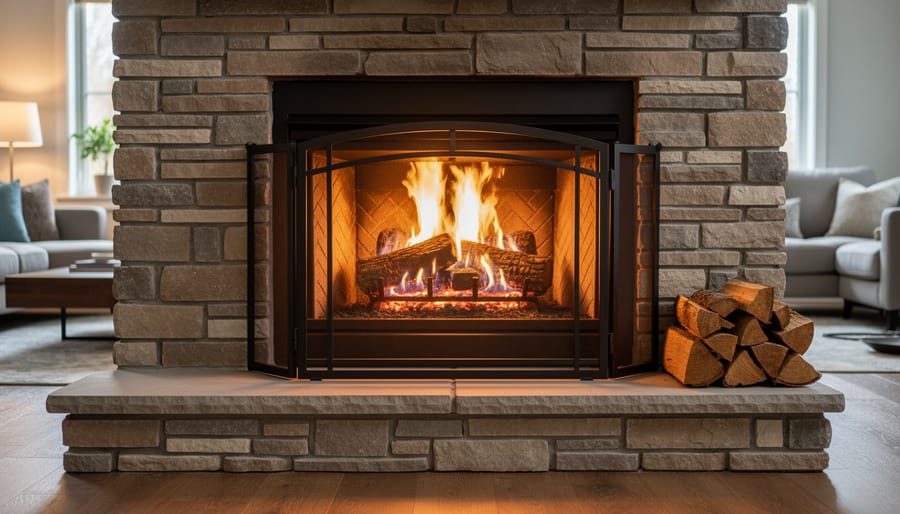
Once you arrive at your Dillon-area cabin, spending fifteen minutes on proactive checks can prevent a ruined evening or a genuine safety hazard. Before you unload your gear or settle in, locate the fireplace and open the damper fully, you should feel a draft of cold air flowing down the chimney if ventilation is clear. Shine a flashlight up into the firebox to confirm the flue is open and not blocked by debris, nests, or collapsed masonry. If you see obstructions or smell stale smoke when the damper is open, contact the property manager immediately rather than lighting a fire.
Start your first fire small, a single piece of seasoned kindling and a fire starter, with a window cracked and the damper fully open. Watch for smoke backing up into the room, which signals a cold chimney that needs warming or a flue obstruction you missed. If smoke fills the cabin, extinguish the fire, open windows, and troubleshoot before trying again. At Dillon’s 9,000-foot elevation, fires need more air and draft more slowly than at sea level, so patience during startup prevents most smoke issues. To avoid weather surprises that affect fireplace safety, check the forecast for high winds or storms that can reverse chimney draft or create dangerous downdrafts.
Throughout your stay, clean ashes into the metal bucket provided, never a cardboard box, and store them outside on bare ground, away from the cabin and deck. Ashes stay hot for days, even when they look cold. Keep the hearth clear of kindling, newspapers, and anything flammable between burns. Never leave a fire unattended, and douse it completely with water at least an hour before bed, stirring the coals to ensure nothing is smoldering. If you notice unusual smoke, strange odors, or sparks escaping the firebox, stop using the fireplace and notify the host rather than risking a chimney fire or carbon monoxide buildup.
Frequently Asked Questions
When are burn bans most common in the Dillon area?
Summit County typically implements Stage 1 and Stage 2 fire restrictions from late spring through early fall, often beginning in May and extending into September depending on drought conditions and wildfire risk. Check the Summit County Sheriff’s Office website or call local ranger stations for current restrictions before your trip, as conditions change rapidly based on precipitation and fire activity.
Does high altitude affect how my cabin fireplace burns?
Yes, Dillon’s 9,000-foot elevation means less oxygen for combustion, so fires take longer to start and may burn less vigorously than at lower elevations. You’ll need smaller pieces of kindling, more patience during the lighting process, and slightly more airflow through the damper to maintain a good burn.
What should I do if the fireplace doesn’t work after I arrive?
Contact your host or property manager immediately and document the issue with photos. Most reputable rental companies will send maintenance staff or offer a partial refund if the fireplace was advertised as functional but isn’t, so don’t wait until the end of your stay to report problems.
How much does firewood typically cost in Dillon if I need to buy more?
Expect to pay $8-12 per bundle at local gas stations and convenience stores, or $200-300 per cord from firewood suppliers if you’re staying longer. Most cabins that include firewood provide enough for 2-3 fires, so budget for additional purchases if you plan to use the fireplace nightly during a week-long stay.
These questions come up repeatedly because fireplace expectations often don’t match reality, especially for first-time mountain cabin renters. Altitude surprises lowlanders who assume fires behave the same way they do at sea level. The thin air at 9,000 feet requires adjustments to your technique, and what works in a Denver fireplace won’t necessarily work in Dillon without modification.
Burn bans catch people off guard because they assume winter means unrestricted wood burning, but dry winters with low snowpack can trigger restrictions even in February or March. The timing isn’t purely seasonal, it’s driven by fuel moisture levels and regional fire danger, which means you can’t rely on the calendar alone.
Cost confusion stems from the wide variation in what “firewood included” actually means. Some hosts provide a genuine supply for your entire stay, while others leave two or three split logs and consider that sufficient. Knowing the going rate helps you evaluate whether the included amount is adequate or whether you should factor additional wood purchases into your trip budget.
A crackling fire transforms a mountain cabin from simple lodging into an experience worth savoring. But that cozy vision depends entirely on doing your homework before you book. The extra fifteen minutes you spend asking pointed questions, verifying burn restrictions, and reviewing that rental agreement can mean the difference between evenings spent warming your hands by real flames and evenings spent troubleshooting a smoky mess or staring at a cold, unusable hearth.
Don’t hesitate to contact hosts with specific fireplace questions. Property managers who maintain their cabins properly welcome these inquiries because they want satisfied guests. Vague answers or reluctance to provide details are red flags worth heeding.
A properly functioning wood-burning fireplace elevates your Dillon stay from good to unforgettable. There’s something primal about gathering around live flames after a day exploring the Rockies, something no electric heater replicates. When you’ve confirmed the fireplace works, the firewood is ready, and the safety systems are in place, you’re free to focus on what matters: making memories in the mountains with people you care about, all while staying warm, safe, and genuinely comfortable.