
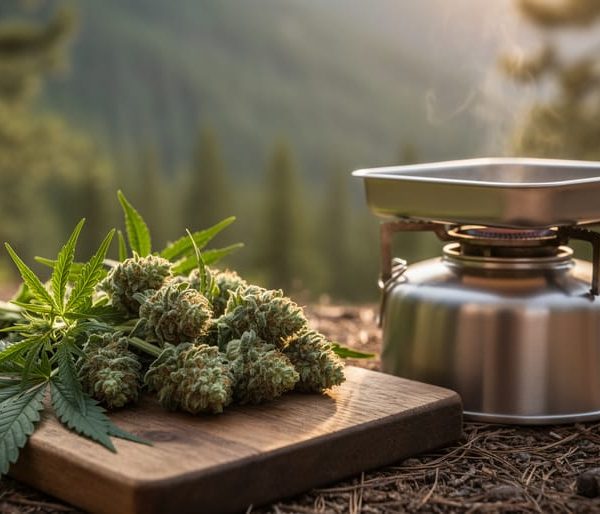
THCa decarboxylation is the heat-activated process that converts non-psychoactive THCa (tetrahydrocannabinolic acid) into psychoactive THC, and it’s something every outdoor traveler should understand if they’re bringing cannabis products on their backcountry adventures. While the best THCA vapes handle this conversion automatically through their heating elements, many campers and hikers heading into Colorado’s high country prefer raw flower or concentrates that require manual decarboxylation to unlock their effects.
The process becomes particularly relevant when you’re miles from the nearest trailhead with only your camp stove and a few basic tools. Raw cannabis flower contains primarily THCa, which won’t produce the relaxing or therapeutic effects you might want after a long day scrambling up peaks near Dillon Reservoir. Understanding how to safely convert THCa in the field using controlled heat means you can prepare edibles, tinctures, or simply activate your flower for more efficient consumption without hauling specialized equipment into the wilderness.
This guide breaks down the science behind decarboxylation in plain terms, then walks you through several practical methods suited for camping environments. You’ll learn temperature requirements, timing considerations, safety protocols for open-flame cooking, and how to gauge doneness without a thermometer. Whether you’re planning a weekend at Green Mountain Reservoir or a week-long trek through the Eagles Nest Wilderness, knowing how to properly decarb cannabis outdoors expands your options and ensures you get the experience you packed for.
What THCa Is and Why It Matters for Campers
The Raw Cannabinoid in Your Stash
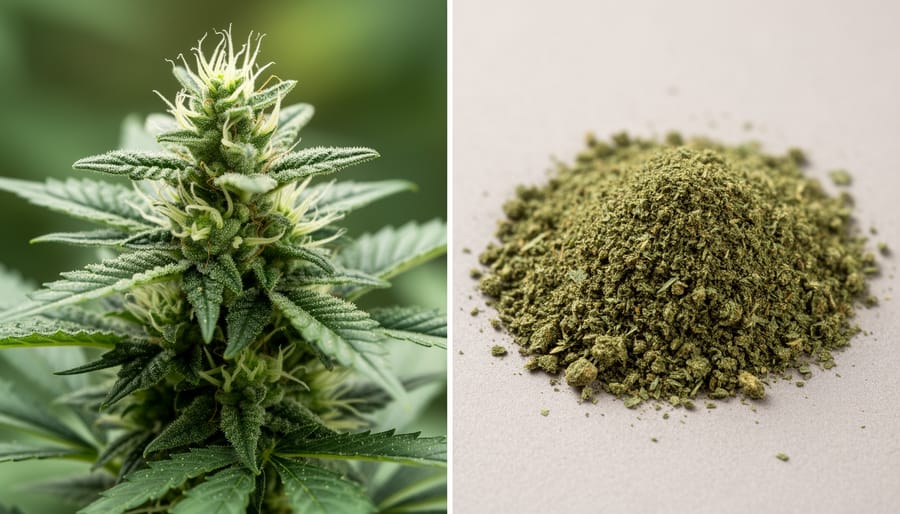
When you pack cannabis for your camping trip around Dillon, you’re carrying THCa, not THC. This raw cannabinoid dominates fresh or properly cured cannabis flower, sometimes making up 15-30% of the plant’s dry weight. Unlike its famous cousin THC, THCa won’t get you high if you eat it straight from the jar.
The “a” stands for “acid”, specifically, a carboxyl group attached to the THC molecule. This extra molecular component blocks THCa from binding to the CB1 receptors in your brain that produce psychoactive effects. Your body can’t process it the same way it handles THC.
Fresh cannabis plants produce THCa as a natural compound, not THC. Even months-old flower in your backpack contains mostly THCa, waiting for transformation. Some decarboxylation happens slowly over time through aging and exposure to light, but it’s inefficient. Heat accelerates this conversion dramatically, which is why smoking or vaporizing works immediately, and why understanding decarboxylation matters when you’re preparing edibles or infusions at camp.
Think of THCa as the inactive precursor. It has its own potential benefits (anti-inflammatory properties that some users seek), but for the effects most outdoor travelers expect, you need to convert it first.
Legal Considerations for Colorado Outdoor Adventures
Colorado legalized recreational cannabis in 2012, but that doesn’t mean you can light up anywhere in the Rockies. Federal lands, including most National Forests around Dillon, prohibit all cannabis possession and use, regardless of state law. Pike National Forest, Arapaho National Forest, and the Continental Divide Trail fall under this restriction. You could face federal charges even for small amounts.
State parks and wilderness areas follow Colorado law, allowing possession of up to one ounce for adults 21+, but public consumption remains illegal. That means no smoking at trailheads, campsites, or scenic overlooks where others can see you. Private campgrounds set their own rules, so check policies before your trip.
When decarboxylating near Dillon, stick to private property or designated areas where you won’t violate federal boundaries. The safest approach? Handle all cannabis preparation at home before heading into the backcountry. You’ll avoid legal complications and keep your outdoor adventures focused on the scenery, not the sheriff.
How Decarboxylation Works in Outdoor Conditions
The Science Behind the Transformation
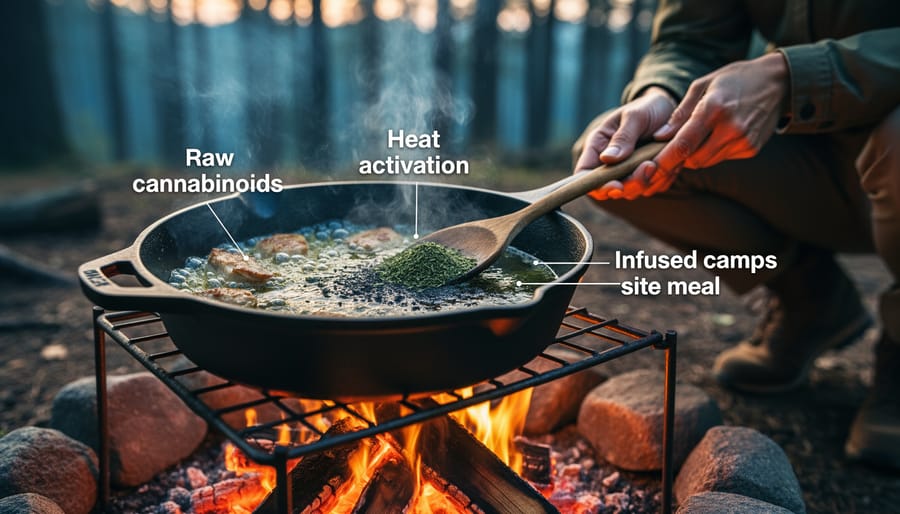
When you apply heat to cannabis, you trigger a chemical reaction that fundamentally changes the plant’s compounds. THCa (tetrahydrocannabinolic acid) is a larger molecule with an extra carboxyl group, essentially a cluster of carbon, hydrogen, and oxygen atoms, attached to its structure. This extra group is what keeps THCa from interacting with your brain’s cannabinoid receptors.
Heat breaks the bond holding that carboxyl group in place. Once the temperature reaches around 220-250°F, the carboxyl group splits away as carbon dioxide (that’s the CO₂ you’d detect if you measured it). What remains is THC, a smaller, reshaped molecule that now fits perfectly into your body’s endocannabinoid system.
This isn’t instantaneous. The transformation happens gradually over time, which is why low-and-slow heating methods often work better than scorching cannabis over high flames. At Dillon’s elevation, water boils at a lower temperature due to reduced atmospheric pressure, but decarboxylation temperatures remain relatively stable, you’re still aiming for that 220-250°F sweet spot whether you’re at sea level or 9,000 feet.
The process is irreversible. Once THCa loses its carboxyl group and becomes THC, it won’t revert back, though THC itself can degrade into other compounds if exposed to excessive heat or light over time.
Temperature and Time: The Critical Variables
Getting THCa to convert efficiently depends on hitting the right temperature for the right amount of time. The sweet spot sits between 220°F and 240°F, hot enough to trigger the chemical transformation but cool enough to preserve THC and other cannabinoids. Go too hot (above 300°F), and you’ll start burning off the compounds you’re trying to activate.
Time matters as much as heat. At 240°F, full decarboxylation takes about 40 minutes. Drop to 220°F, and you’ll need closer to an hour. These numbers shift in unpredictable ways when you’re working with a campfire or camp stove instead of a kitchen oven with precise controls.
Campfires burn between 400°F and 900°F in the flames, but the coals settle into a more manageable 200°F to 400°F range. You’ll want to work with established coals, not active flames. Position your container at the edge of the coal bed where you can hold your hand for 7-8 seconds, that’s roughly the right zone. Watch for wisps of vapor escaping your foil packet; thick smoke means you’ve gone too hot.
Portable stoves give you more control but still require attention. Most camp stoves lack temperature gauges, so you’ll need to adjust flame height and monitor your material closely. Understanding weather basics helps too, wind and cold air will steal heat from your setup, forcing you to compensate with longer heating times or slightly higher flame settings.
Methods and Equipment for Trail Decarboxylation
Campfire and Portable Stove Techniques
The aluminum-foil packet method is the most reliable campfire technique for decarboxylation. Grind your cannabis finely and spread it in a thin layer on a double thickness of heavy-duty foil. Fold the edges tightly to seal out air, creating a flat packet that won’t trap excessive heat. Place this packet on a flat rock positioned six to eight inches above glowing coals, not open flames. Monitor temperature by testing another rock at the same height; if it’s too hot to touch for more than two seconds, move everything farther from the heat.
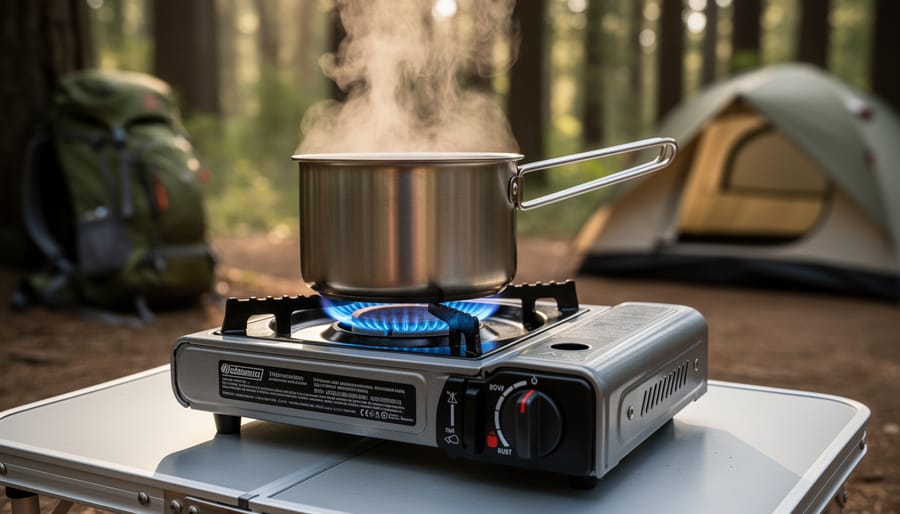
For portable camp stoves, a small oven thermometer and aluminum foil dish work best. Set your stove to low heat, place the cannabis in the foil dish, and position the thermometer beside it. You’re aiming for 220-240°F over 30-45 minutes, stirring every ten minutes. This controlled approach works better than campfire methods but requires fuel and thermometer monitoring alongside your essential camper items.
Wind and altitude around Dillon affect both methods significantly. Shield your setup from gusts, which lower temperatures unpredictably, and expect slightly faster decarboxylation at 9,000 feet where water boils at lower temperatures.
Battery-Powered and Solar Decarboxylation Tools
Modern portable decarboxylators designed for camping offer precise temperature control in a compact package. These battery-powered units typically run on rechargeable lithium batteries or standard AA cells, heating cannabis to the optimal 220-240°F range for 30-45 minutes. Most devices weigh under two pounds and fit easily into a backpack’s external pocket. Some models feature odor-control lids and automatic shutoff timers, making them ideal for shared campsites near Lake Dillon where discretion matters.
Solar-powered options work well for multi-day trips when you have reliable sunshine. Pairing a small solar panel with a battery bank provides enough off-grid power to run a portable decarboxylator once or twice daily. The challenge at Dillon’s elevation is afternoon thunderstorms, which can interrupt solar charging. Plan to charge your batteries during morning hours when skies are clearest. Most campers find that a 50-watt panel and 20,000mAh battery bank handles one decarboxylation cycle plus phone charging. These electronic tools eliminate guesswork and campfire hazards, though they require advance planning and equipment investment compared to simpler heat-based methods.
Pre-Decarboxylation: The Easiest Trail Option
Decarboxylating your cannabis at home before heading into the backcountry eliminates nearly every challenge associated with trail decarboxylation. You’ll have precise temperature control, consistent results, and zero fire risk in wilderness areas around Dillon.
Home decarboxylation takes about 40 minutes at 240°F in your oven. Spread ground cannabis on parchment paper, bake until lightly toasted, then cool completely before storage. This simple prep step means you’re carrying activated THC instead of raw THCa, ready for immediate use at camp.
Store pre-decarbed cannabis in airtight glass containers or vacuum-sealed bags to preserve potency. Keep it in a cool, dark spot in your pack, away from direct sunlight and heat. Properly stored decarboxylated cannabis maintains effectiveness for months, making it ideal for extended backcountry trips. This approach also eliminates cooking odors at your campsite that might attract wildlife or disturb neighboring campers.
Practical Applications for Outdoor Enthusiasts
Making Trail-Friendly Infusions and Edibles
Once you’ve decarboxylated your cannabis at camp, transforming it into trail-friendly edibles is surprisingly straightforward with basic cooking gear. The simplest approach uses coconut oil or butter, both stable at varying temperatures and easy to pack.
Heat a small pot of water on your camp stove until it simmers, then place a metal camping cup or small pan on top to create a makeshift double boiler. Add a tablespoon of coconut oil and your decarboxylated cannabis (finely ground works best), stirring gently for 20-30 minutes. The key is maintaining low, steady heat without boiling, too hot and you’ll degrade the THC you just activated.
Strain the mixture through a bandana or coffee filter into a small container. This infused oil works perfectly in instant oatmeal, hot chocolate, or spread on trail bread. For a quicker option, mix ground decarboxylated cannabis directly into peanut butter or Nutella, the fats bind with THC effectively, though the texture remains grainy.
Store your infusions in sealed containers away from heat and sunlight. Label everything clearly and keep dosing conservative, start with a small amount and wait at least two hours before consuming more, especially at Dillon’s elevation.
Dosing Considerations at High Altitude
Dillon’s 9,000-foot elevation changes how your body processes everything, including cannabis. At high altitude, oxygen levels drop by roughly 30% compared to sea level, which intensifies THC effects and can amplify unwanted side effects like anxiety, dizziness, or paranoia. Start with half your normal dose, especially during your first day or two at elevation while your body acclimates.
Dehydration compounds these effects dramatically. Mountain air is dry, you’re likely more active than usual, and altitude alone increases fluid loss. Cannabis further dehydrates you, creating a compounding problem. Drink at least a liter more water daily than you would at lower elevations, and keep hydration among your essential survival items when venturing into the backcountry.
Give edibles and infusions extra time to take effect, altitude can slow digestion while simultaneously making onset less predictable. Wait two full hours before considering a second dose. If you feel uncomfortably high, remember that physical activity, fresh air, and hydration help metabolize THC faster. Never combine cannabis with alcohol at altitude; this combination magnifies impairment and dehydration risks significantly.
Safety and Environmental Responsibility
Fire Safety and Odor Control
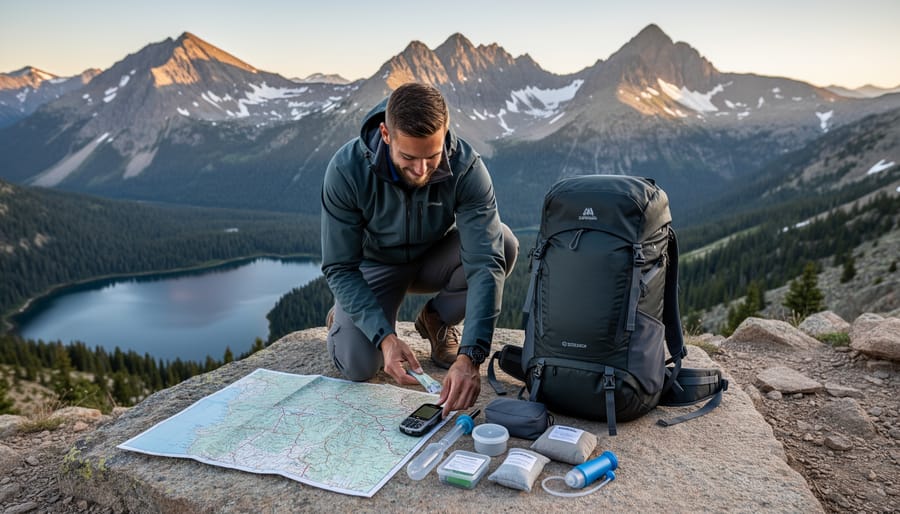
When decarboxylating cannabis at your campsite, fire safety starts with choosing a stable, wind-protected spot away from dry grass and low-hanging branches. Use a dedicated camping stove rather than an open campfire for better temperature control, campfires near Dillon can fluctuate wildly with mountain winds, making precise heating difficult and increasing wildfire risk. Keep a water bottle or fire extinguisher within arm’s reach, and never leave heating cannabis unattended.
Odor management matters both for wildlife safety and campground courtesy. Cannabis smells can travel surprisingly far in mountain air and may attract curious animals or bother neighboring campers. Seal your materials in airtight containers immediately after decarboxylation. Consider using odor-proof bags designed for backpacking, and position yourself downwind from other camp areas when working with cannabis. Time your decarboxylation for midday rather than evening hours, when smells linger longer in cool air and wildlife becomes more active around Dillon’s campgrounds.
Store all cannabis products in bear-proof containers alongside your food, bears and other animals can’t distinguish between food scents and cannabis odors.
Leave No Trace and Legal Boundaries
Cannabis use on federal land, including national forests around Dillon, remains illegal regardless of Colorado state law. Before you light up or decarboxylate, confirm you’re on state land, private property with permission, or designated camping areas where state law applies. Check current regulations for your specific location, as boundaries aren’t always obvious on trails.
Proper disposal protects wildlife and maintains trail integrity. Never bury cannabis waste or packaging, animals will dig it up, and THC residue can harm them. Pack out all stems, ash, foil, containers, and spent plant material in sealed bags. Scatter cold ashes from campfires only after confirming no cannabis residue remains, as concentrated THC can persist in soil. Rinse any infusion containers thoroughly and carry gray water away from campsites before dispersing.
Leave No Trace principles apply fully to cannabis use. The same backcountry priorities that keep you safe, preparation, awareness, respect for nature, extend to responsible cannabis practices. Keep odors minimal, respect other campers’ experiences, and leave your site cleaner than you found it. Your discretion and ethics protect access for everyone who enjoys Colorado’s wilderness responsibly.
Common Questions About Trail Decarboxylation
Campers new to trail decarboxylation often face similar challenges and questions about the process. Understanding these common concerns helps you prepare properly and troubleshoot issues before they arise in remote settings around Dillon.
Does high altitude affect THCa decarboxylation?
Yes, at Dillon’s 9,000+ foot elevation, water boils at lower temperatures (around 195°F instead of 212°F), but decarboxylation still requires the same 220-250°F range. You’ll need slightly more attention to heat control since your cooking equipment behaves differently at altitude.
How long does decarboxylated cannabis stay potent on the trail?
Properly stored decarbed cannabis maintains potency for several weeks when kept in an airtight container away from direct sunlight and moisture. Cool temperatures actually help preserve it, making Colorado mountain conditions ideal for storage.
Can I legally decarboxylate cannabis on public lands near Dillon?
No, cannabis possession and use remain illegal on all federal lands, including National Forest campgrounds around Dillon. Stick to private property or state-managed areas where Colorado law applies, and always verify local regulations before your trip.
What if I don’t have a thermometer at camp?
Without temperature monitoring, your best option is pre-decarboxylation at home. If you must decarb in the field, use the foil packet method over coals (not flames) for 30-40 minutes, checking frequently for a light golden-brown color without charring.
Cold weather presents its own considerations. Freezing temperatures won’t reverse decarboxylation once it’s complete, but they can make the process harder to control since you’ll struggle to maintain consistent heat. Winter campers often find that pre-decarbing at home and bringing finished product eliminates these headaches entirely. Store your decarbed cannabis in your sleeping bag at night to prevent it from freezing solid, which can make it brittle and harder to work with for infusions.
Types of Thca Decarboxylation for Outdoor Travelers
Outdoor travelers can choose from three primary decarboxylation approaches, each suited to different camping styles and conditions.
Active heat decarboxylation involves applying direct, controlled heat to cannabis material during your trip. This includes campfire methods using foil packets, portable stove techniques with camp cookware, and battery-powered decarboxylators designed for travel. Active methods give you flexibility but require careful temperature management and fire safety awareness in wilderness settings.
Passive decarboxylation relies on ambient heat and extended time rather than active heating. Storing cannabis in a warm vehicle dashboard, utilizing solar heat in dark containers, or letting material sit in hot camping gear can gradually convert THCa over days or weeks. This approach works best for long expeditions where you’re not rushing the process.
Pre-departure decarboxylation means completing the conversion at home before hitting the trail. You decarboxylate cannabis in your home oven under controlled conditions, then transport the activated material in airtight containers. This eliminates field equipment needs and fire risks entirely, making it the safest option for most Dillon-area campers, especially those visiting federal lands where open cannabis processing could create legal complications.
Understanding THCa decarboxylation transforms your outdoor cannabis experience from guesswork into informed practice. Whether you’re camping at Lake Dillon or backpacking through the surrounding wilderness, knowing how heat converts non-psychoactive THCa into THC gives you control over timing, potency, and effects at altitude.
The smartest approach? Decarboxylate at home before hitting the trail. You’ll avoid fumbling with temperature control at your campsite and reduce fire risks in Colorado’s dry conditions. If you do decarb in the field, use controlled heat sources, keep your setup contained, and never compromise on fire safety.
Respect matters as much as technique. Other campers share these spaces, and wildlife doesn’t need cannabis odors disrupting their habitat. Pack out everything you pack in, follow Leave No Trace principles, and remember that federal lands have different rules than state recreation areas.
Start with lower doses than you’d use at sea level. Dillon’s elevation intensifies effects for many people, and there’s no emergency room on a remote trail. Plan your activities thoughtfully, stay hydrated, and keep safety your top priority. The mountains will still be incredible whether you’re sober or not.