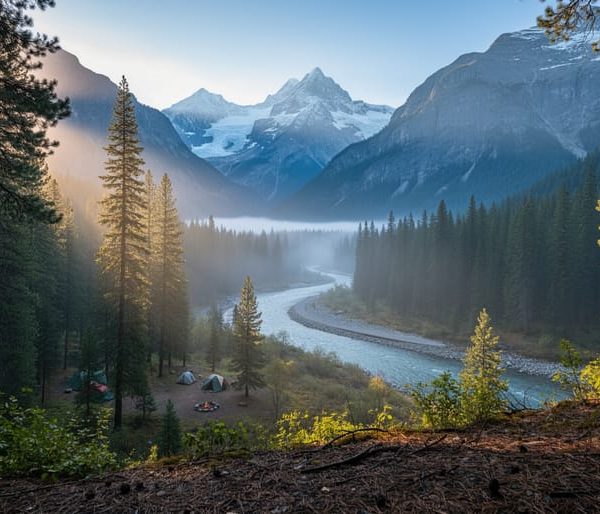
The United States is home to 63 designated national parks, spanning thirty states and two U.S. territories. These protected landscapes represent America’s most treasured wilderness areas, from the geysers of Yellowstone to the glacial valleys of Alaska’s Denali. But that number only scratches the surface. The National Park Service actually manages 433 individual units across the country, including monuments, preserves, seashores, and historic sites, each offering unique camping and outdoor recreation opportunities.
If you’re planning a national park adventure in 2026, understanding the regional distribution helps you map out an epic road trip or weekend escape. California leads the pack with nine national parks, including iconic destinations like Yosemite and Joshua Tree. Alaska claims eight parks, offering some of the most remote backcountry experiences on the continent. Utah’s five parks, known collectively as the Mighty Five, deliver red-rock landscapes that draw climbers and hikers year-round.
For Colorado adventurers based near Dillon, Rocky Mountain National Park sits just over an hour away, while Black Canyon of the Gunnison and Great Sand Dunes offer diverse terrain within a few hours’ drive. The real challenge isn’t deciding whether to visit these parks but securing campsites in an increasingly competitive reservation system. Peak season spots fill up months in advance, and knowing when to book, which campgrounds accept reservations versus first-come-first-served, and what backup plans to have can make or break your trip.
The Real Numbers: 63 National Parks vs. 433 Park Units
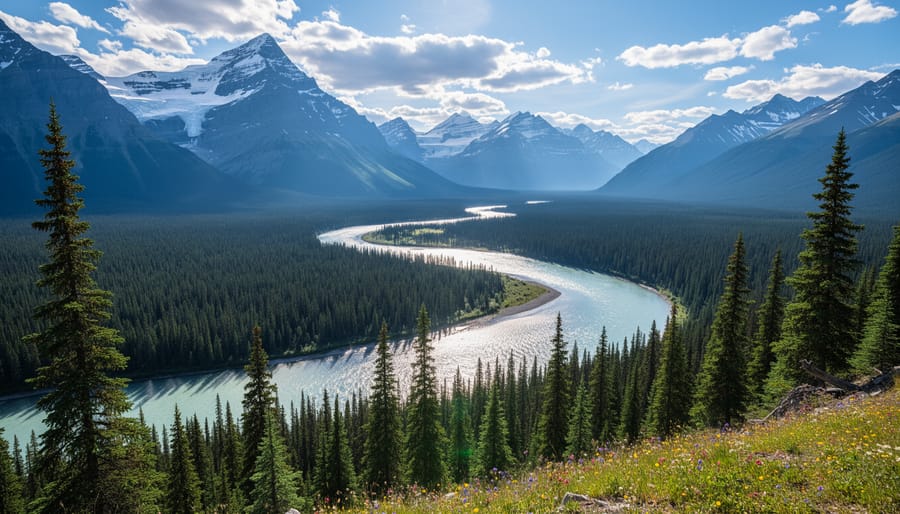
When you search for how many national parks exist in the USA, the answer depends on what you’re actually counting. There are exactly 63 official national parks, but the National Park Service manages a much larger system of 433 units and 19 designations that protect America’s natural and cultural treasures.
Here’s where it gets confusing. That total of 433 units includes national monuments, national preserves, national seashores, national recreation areas, national historic sites, and 14 other categories. All of these fall under the National Park Service umbrella, but only 63 carry the prestigious “National Park” designation. Think of it like this: Yellowstone is a national park, but Devils Tower is a national monument, and Cape Cod is a national seashore. They’re all part of the system, but they’re not all parks in the technical sense.
The 63 national parks earned their title because they typically represent areas of exceptional natural beauty, unique geological features, or diverse ecosystems worthy of the highest level of protection. Congress specifically designates each one as a national park, which is why the number changes only when new legislation passes.
For trip planning, this distinction matters more than you might think. The 63 national parks tend to draw the biggest crowds and require advance campsite reservations months ahead. Meanwhile, many of those other 370 units offer outstanding camping experiences, stunning scenery, and far fewer visitors fighting for spots. A national monument or preserve can deliver the same wilderness adventure without the competition.
Understanding these numbers helps you set realistic expectations when planning your camping trips. You’re not limited to just 63 destinations. The entire National Park System opens up hundreds of protected areas where you can pitch a tent and explore America’s wild places.
Where America’s National Parks Are Located: Regional Breakdown
Western Region: Your Closest National Park Adventures
If you’re based in Dillon, the western United States is your national park playground. Colorado alone gives you four incredible options within a few hours’ drive. Rocky Mountain National Park sits just 90 minutes north, offering alpine camping with Trail Ridge Road access and elk bugling through September. Mesa Verde in the southwest corner lets you camp among ancient cliff dwellings, while Great Sand Dunes provides the surreal experience of pitching your tent at the base of North America’s tallest dunes. Black Canyon of the Gunnison, barely three hours away, offers intimate South Rim camping with jaw-dropping vertical drops.
Utah’s five national parks, Zion, Bryce Canyon, Arches, Canyonlands, and Capitol Reef, form a red rock circuit that’s doable in long weekends. Arches and Canyonlands near Moab are about five hours from Dillon, perfect for spring or fall trips when temperatures cooperate. Wyoming delivers two classics: Grand Teton sits three and a half hours northwest with mountain camping that rivals anywhere, while Yellowstone just beyond it needs no introduction (though it does need reservations six months out for summer spots).
Arizona brings desert diversity. Petrified Forest works as a winter escape, and Grand Canyon’s South Rim campgrounds are accessible year-round, though the North Rim closes seasonally. Saguaro near Tucson offers two districts with distinctly different desert landscapes.
The western region holds 28 of the nation’s 63 national parks, and most sit within reasonable road trip distance from central Colorado. You can knock off your home state’s four parks in a single ambitious week, or build a summer exploring Utah’s Mighty Five.
Alaska and Hawaii: Remote Wilderness Destinations
Alaska’s eight national parks offer wilderness on a scale hard to imagine until you see it yourself. Gates of the Arctic and Kobuk Valley rank among the least-visited parks in the system, not because they lack beauty, but because reaching them requires bush planes and serious backcountry skills. Denali, Glacier Bay, and Katmai provide slightly easier access through tour operators and lodges, though you’ll still need to plan months ahead and budget accordingly. The Alaskan parks shine brightest between late May and early September when weather permits access and wildlife is most active, but expect mosquitoes and unpredictable conditions even in summer.
Hawaii’s two national parks couldn’t be more different from Alaska’s frozen expanses. Hawaiʻi Volcanoes National Park on the Big Island lets you witness active volcanic landscapes and lava flows, while Haleakalā on Maui offers sunrise views above the clouds from a massive dormant crater. Both parks stay accessible year-round, though camping reservations fill quickly during peak winter months when mainlanders escape the cold. Pack for tropical rain, intense sun, and elevation changes that can swing from sea level to over 10,000 feet in a single day’s drive.
Eastern and Midwest Parks: Planning Cross-Country Adventures
The eastern United States and Midwest contain 20 of the nation’s 63 national parks, offering a different experience than their western counterparts. These parks tend to be more compact, historically focused, and easier to combine with city visits during cross-country road trips. Acadia in Maine, Shenandoah in Virginia, and Great Smoky Mountains straddling Tennessee and North Carolina rank among the most visited, with Great Smoky Mountains receiving more visitors annually than any other national park in the system.
Camping culture differs significantly from western parks. Eastern campgrounds typically feature smaller sites with more tree cover and less of the dispersed, backcountry feel Colorado campers know well. You’ll find higher humidity, different wildlife considerations like black bears in the Smokies and Acadia, and campgrounds that fill quickly despite having more developed infrastructure. Many eastern parks sit within a few hours’ drive of major metro areas, making weekend crowds intense during summer and fall foliage season.
For Dillon-area adventurers planning a cross-country move or extended road trip, parks like Cuyahoga Valley in Ohio, Indiana Dunes, and Isle Royale in Michigan offer convenient stopover camping. The eastern parks reward those willing to trade dramatic mountain vistas for lush forests, rich history, and surprisingly diverse ecosystems from Everglades swamps to Appalachian ridgelines.
Camping in National Parks: What You Need to Know
Reservation Reality: The Competition for Campsite Spots
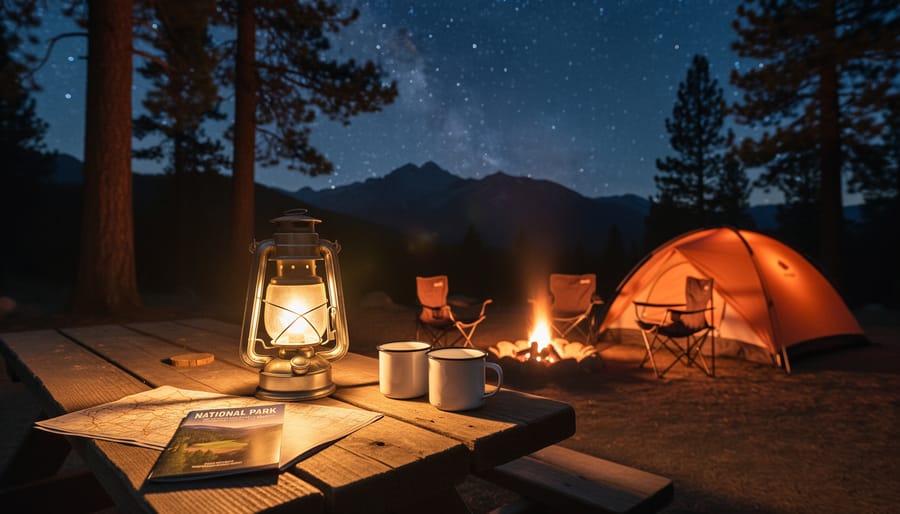
If you’ve ever tried booking a campsite at Yosemite or Yellowstone, you know the frustration. Popular national park campgrounds fill up within minutes of their reservation windows opening, typically six months in advance., the official booking platform, opens reservations at precisely 10 AM Eastern Time, and campers across the country compete for the same coveted spots. Miss that narrow window, and you’re checking daily for cancellations or hoping for walk-up availability that rarely materializes during peak season.
The competition intensifies at parks near major cities and iconic destinations like Grand Canyon, Zion, and Rocky Mountain. Some campgrounds book solid from Memorial Day through Labor Day within hours of slots becoming available. You’re not just competing with casual tourists anymore, but with savvy outdoor enthusiasts who set calendar reminders, create multiple browser tabs, and have their credit card information saved and ready.
Your best strategies involve flexibility and timing. Weekday arrivals see significantly less competition than Friday and Saturday nights. Shoulder seasons, particularly late April through mid-May and mid-September through October, offer better availability with the bonus of smaller crowds and milder weather. Consider lesser-known parks in the system where competition stays manageable even during summer. Parks in Alaska, the remote sections of California, and lesser-trafficked gems like Great Basin or North Cascades typically have same-week availability.
If popular parks are your goal, commit to the six-month advance booking game or build your itinerary around first-come, first-served campgrounds where arriving by noon on weekdays usually secures a spot.
Parks with Limited or No Camping Options
Not all 63 national parks offer the traditional campground experience you might expect. Some parks have extremely limited facilities, while others prohibit camping altogether due to their unique characteristics or preservation requirements.
Gateway Arch in Missouri and Hot Springs in Arkansas operate more like urban attractions than wilderness destinations, neither offers camping within park boundaries. Indiana Dunes National Park similarly lacks campgrounds, though nearby state parks fill this gap. For island parks like American Samoa, Virgin Islands, and Dry Tortugas, the logistics and infrastructure challenges mean camping options range from primitive to nonexistent.
Several remote Alaska parks including Gates of the Arctic, Katmai, and Lake Clark have no developed campgrounds. These wilderness areas require backcountry camping permits, serious self-sufficiency skills, and often floatplane access. You won’t find reservable sites or amenities, just raw backcountry experiences for those prepared to handle them.
Even parks with camping can surprise you. Congaree in South Carolina offers only primitive backcountry sites requiring permits and a willingness to wade through swampland. Channel Islands off California’s coast has limited primitive camping accessible only by boat, with strict advance reservations needed.
Before planning your trip, check each park’s official camping page rather than assuming facilities exist. Many parks that lack internal camping have excellent alternatives nearby, national forests, state parks, or private campgrounds within short drives of park entrances. Understanding these limitations upfront prevents disappointing surprises when you arrive ready to pitch your tent.
Beyond the Big 63: Other National Park Units Worth Camping Near
Don’t overlook the other 370 units in the National Park System when hunting for your next camping adventure. These lesser-known destinations, national monuments, preserves, recreation areas, seashores, and more across 19 different designations, often deliver equally stunning landscapes without the reservation nightmares that plague the famous 63.
National monuments like Colorado’s own Dinosaur National Monument and Florissant Fossil Beds offer developed campgrounds where you can actually snag a spot without booking six months out. These sites protect significant natural or cultural features under the same federal management as national parks, but they fly under the radar for most casual visitors. Campgrounds here typically cost less and stay open to walk-up campers even during peak summer weekends.
National preserves and recreation areas frequently allow dispersed camping that’s prohibited in traditional parks. Think Lake Mead National Recreation Area near Vegas or Big Cypress National Preserve in Florida, where you can pull off designated roads and set up camp in genuine wilderness. You get the same quality of public land and trail systems, just with more flexibility and fewer permit headaches.
National seashores and lakeshores provide beach camping experiences you won’t find in most of the big 63. Gulf Islands National Seashore and Sleeping Bear Dunes National Lakeshore both offer waterfront sites where you can wake up to sunrise over the water, often available on shorter notice than Acadia or Olympic.
The camping infrastructure at these units varies wildly. Some have full-service campgrounds with flush toilets and showers. Others require backcountry permits and self-sufficiency. Check individual unit websites through the National Park Service portal before you go, but don’t assume that because a site isn’t one of the famous 63, it won’t deliver an unforgettable outdoor experience. The crowds who obsess over checking parks off their bucket list are missing out on equally spectacular adventures hiding in plain sight across the other 370 units.
Planning Your National Park Camping Trip from Dillon
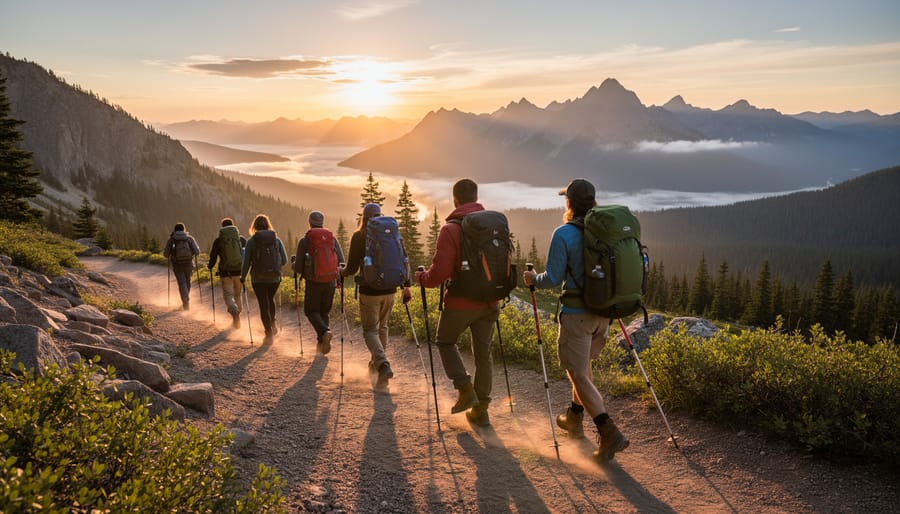
Planning a national park camping trip from Dillon means you’re already acclimated to altitude and mountain weather, which gives you a head start for many western parks. But each park environment demands different preparation. The weather basics you’ve mastered at 9,000 feet translate well to Colorado’s four national parks and Wyoming’s Grand Teton, but desert parks like Utah’s Arches or Arizona’s Saguaro require completely different strategies.
Your trip planning should follow this sequence:
- Research which parks match your skill level and season, checking elevation, typical weather patterns, and campground accessibility for your travel dates
- Book campsites exactly six months in advance through when reservations open at 7 a.m. Mountain Time
- Create gear lists specific to each park’s environment, accounting for temperature swings and terrain differences
- Download offline maps and emergency contacts, since cell service is unreliable in most parks
- Pack layered clothing systems that cover 40-degree temperature ranges, common even in summer
Seasonal timing matters more than most Dillon campers expect. Summer works for high-elevation parks like Rocky Mountain or Yellowstone, but you’ll face brutal heat in desert parks where spring and fall are prime seasons. Coastal parks like Olympic or Redwood stay mild year-round but bring serious rain gear. The wilderness safety principles you use in Colorado backcountry apply everywhere, but add region-specific hazards like rattlesnakes in desert parks, bears in Glacier, or hypothermia risks in Alaska’s parks even in July.
Gear flexibility beats specialized equipment. Your high-altitude camp survival items work across most parks, but swap your winter sleeping bag for a lighter option in southern parks, and always pack more water capacity than you think necessary for desert environments. If you’re testing gear locally, Lake Dillon camping offers similar alpine conditions to what you’ll encounter at Rocky Mountain or Great Basin. Just remember that coastal humidity, desert dryness, and lowland heat will feel foreign after mountain camping.
National Parks vs. State Parks and Forest Service Lands: Where to Camp When Parks Are Full
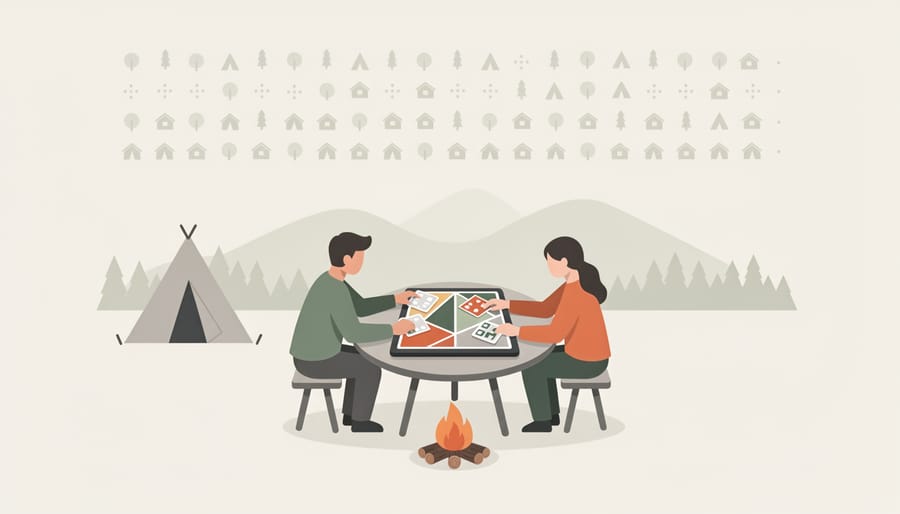
When every campsite at Rocky Mountain or Yellowstone shows “fully booked,” your outdoor adventure doesn’t have to end. State parks, national forests, and Bureau of Land Management (BLM) land often deliver comparable scenery and solitude without the six-month advance reservation lottery.
State parks surrounding national parks frequently mirror the landscapes that made their federal neighbors famous. Colorado State Parks like Eldorado Canyon near Boulder or Rifle Falls offer dramatic geology and well-maintained campgrounds with same-day or week-ahead availability. Many charge $20-40 per night and provide amenities national parks lack, including electrical hookups and hot showers.
National forests are your secret weapon for last-minute camping. The Roosevelt, Arapaho, and White River National Forests encircling Dillon contain hundreds of first-come, first-served campsites and dispersed camping areas where you can pitch a tent almost anywhere outside designated closures. You’ll need to be self-sufficient (pack out all trash, bring your own water treatment), but the solitude beats fighting crowds at nearby Rocky Mountain National Park.
BLM land across the West allows free dispersed camping on millions of acres. Download the FreeRoam app or check local BLM office websites for current fire restrictions and closure maps. Stay within 300 feet of existing roads, camp at least 200 feet from water sources, and follow Leave No Trace principles.
Private campgrounds near park entrances offer the ultimate backup plan. While pricier ($40-80 per night), they rarely fill completely and provide conveniences like laundry facilities and camp stores. Book through Hipcamp or ReserveAmerica to compare options.
The 63 official national parks represent just a fraction of America’s public lands. Your best camping memories might happen in places that never made the famous list.
So now you know the answer: 63 official national parks exist within a much larger National Park System of 433 units spread across thirty states and two U.S. territories. That’s 63 incredible destinations that earned the highest designation, plus 370 other remarkable places, monuments, preserves, seashores, and recreation areas, that offer equally stunning outdoor experiences, often with better campsite availability.
Don’t limit yourself to chasing the famous names. Some of the most rewarding camping adventures happen at lesser-known national monuments and preserves where you’ll find fewer crowds, easier reservations, and landscapes just as breathtaking as their celebrated counterparts. The diversity is staggering: from California’s nine parks to Alaska’s eight remote wilderness areas to Utah’s five red-rock wonders, you’ve got options for every season and skill level.
The key to success? Plan early, stay flexible, and remember that booking a campsite at popular parks means securing reservations six months out. When your first choice is full, pivot to nearby alternatives, national forests, state parks, and other park units often deliver the adventure you’re craving without the competition.
Whether you’re plotting a weekend escape from Dillon to Rocky Mountain National Park or mapping a multi-state camping odyssey across the West, the groundwork you lay now determines the trip you’ll take. Check those reservation calendars, pack for varied conditions, and get ready to explore. Your national park camping adventure starts with that first booking.