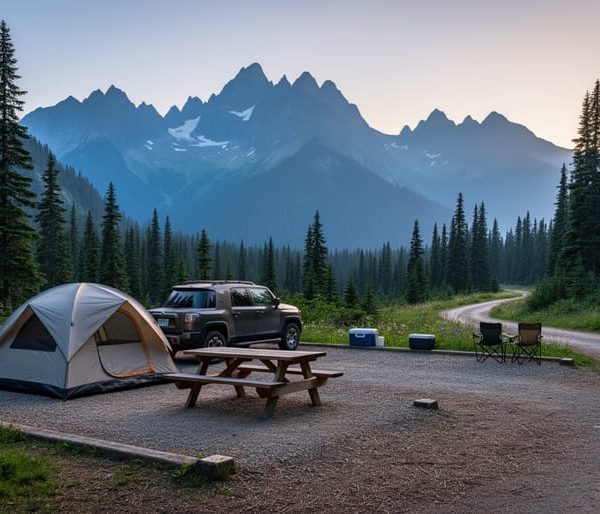
Booking a campsite at North Cascades National Park requires navigating two distinct systems: reservations for developed frontcountry campgrounds and a backcountry permit process for wilderness zones. Both run through, but the mechanics differ substantially. Frontcountry sites at Colonial Creek, Newhalem Creek, and Goodell Creek open on a rolling six-month window, and you’ll reserve a specific site with a confirmation number. Backcountry permits work differently. Your reservation isn’t the permit itself. It’s a placeholder that North Cascades wilderness rangers must approve before you can pick up the actual permit by 11 a.m. on your first day, or it gets canceled.
Roughly 60% of backcountry campsites can be reserved in advance through two channels: an early-access lottery (applications accepted March 2-13, 2026) and general reservations made at least two days before your trip. The remaining 40% stay available as walk-up permits, which you can grab the day of or one day before departure. This dual structure rewards both planners and flexible adventurers, but it also creates confusion for first-timers who assume one system covers everything. Understanding the reservation-versus-permit distinction and the specific deadlines for each booking type will save you hours of frustration and prevent last-minute scrambles when you arrive at the ranger station.
Frontcountry Campground Reservations: How to Secure a Site
Which Campgrounds Accept Reservations
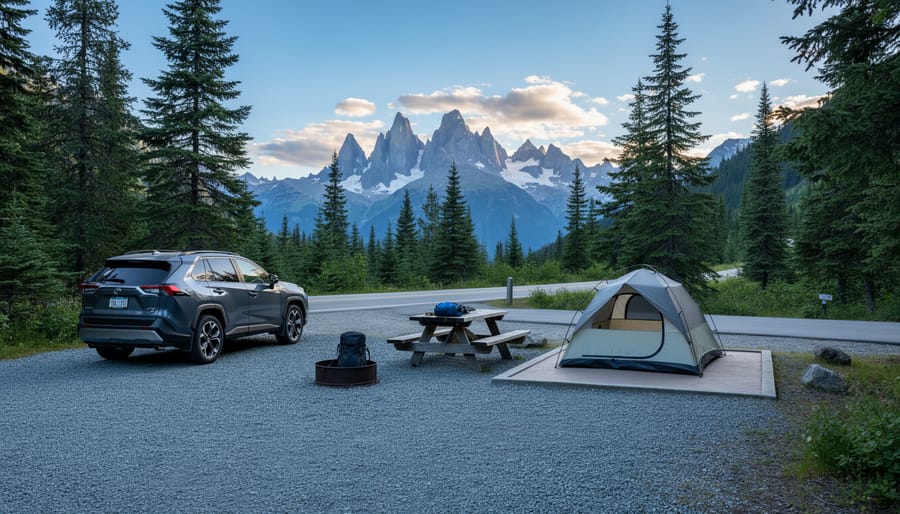
North Cascades National Park operates two distinct frontcountry campgrounds with different reservation systems. Colonial Creek Campground accepts reservations through for 88 of its sites, while the remaining 44 sites at Colonial Creek South walk-up are first-come, first-served. Newhalem Creek Campground offers 111 first-come, first-served sites with no advance reservations available.
Reservable sites at Colonial Creek typically open for booking six months in advance, with peak summer weekends filling within hours during the April through September season. Sites become available on a rolling basis at 7 am Pacific Time. The walk-up sections provide an alternative when reservations are booked solid, but arrive early on Friday and Saturday mornings during July and August to secure a spot.
Outside the park boundary, the Ross Lake National Recreation Area operates several additional campgrounds with varying reservation policies. Goodell Creek and Newhalem Creek remain walk-up only, while reservations for Colonial Creek must be made through well ahead of your planned arrival.
Booking Your Campsite on Recreation.gov
Start by heading to and creating a free account if you don’t already have one. You’ll need a valid email address and password. Once logged in, use the search bar to enter “North Cascades National Park” or search by specific campground names if you know where you want to stay.
The site’s filter tools let you narrow results by date, number of people, and camping equipment type (tent, RV, trailer). Pay attention to the campground details page, which shows amenities, site-specific restrictions, and real-time availability. Sites at popular North Cascades campgrounds fill quickly during summer months, so flexible dates increase your chances of snagging a spot.
When you find an available site, add it to your cart and proceed to checkout. You’ll pay the nightly camping fee plus a non-refundable reservation service fee (typically around $10). accepts major credit cards. Review your reservation details carefully before confirming, double-check your arrival date, site number, and any special requirements like vehicle length limits.
After payment, you’ll receive a confirmation email with a reservation number. Print or save this confirmation to your phone; you’ll need to show it when you check in at the campground. The email also includes directions, check-in instructions, and a reminder of campground rules.
If your plans change, you can modify or cancel most reservations through your account, though cancellation fees apply and refund policies vary by campground.
Backcountry Permit Reservations: The Complete Process
Understanding the Reservation vs. Permit Distinction
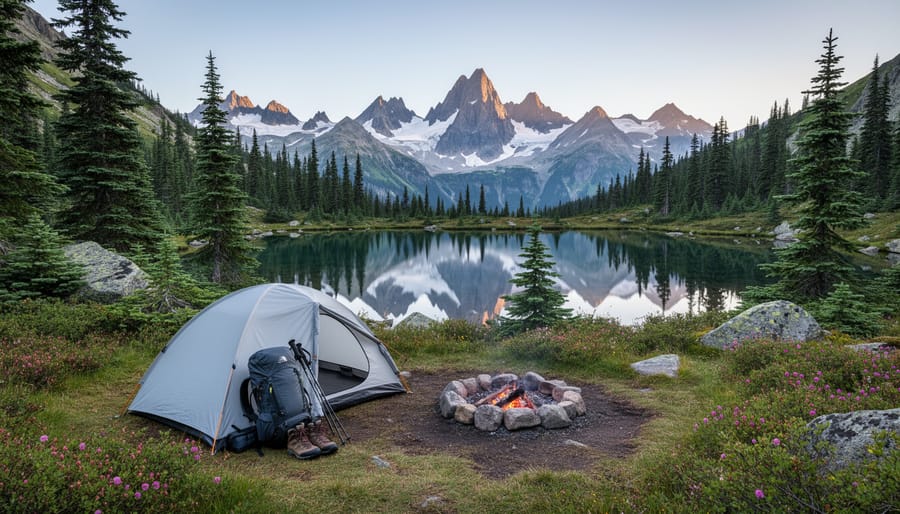
Here’s a crucial distinction that trips up many backcountry visitors: your reservation is not a permit. When you book through, you’re securing a spot in the queue, not permission to hit the trail.
The actual permit comes later, after you drive to a ranger station and present your reservation confirmation. Why the two-step process? Rangers need to review your planned route, assess current trail conditions, and make sure you’re equipped for what you’re about to tackle. They might reroute you around fresh snow or a washed-out bridge, adjust your camping zones based on wildlife activity, or flag gaps in your gear list.
This face-to-face checkpoint exists because North Cascades backcountry demands real preparation. Rangers can answer last-minute questions, provide updated bear activity reports, and ensure you understand Leave No Trace protocols for fragile alpine zones. They’re approving your specific trip plan, not just rubber-stamping a transaction. Treat your reservation as a placeholder that gets you in the door, but the ranger conversation is where your backcountry adventure officially begins.
Reservation Timeline and Deadlines
Timing is everything for North Cascades backcountry permits. You must submit your reservations at least 2 days before your trip starts, no last-minute bookings are possible through the online system. This advance window gives wilderness rangers time to review your itinerary and approve your request.
Once approved, you face a hard deadline on day one: pick up your physical permit by 11 am at the Wilderness Information Center. Miss that window and your reservation gets cancelled, no exceptions. The park releases those forfeited sites to walk-up campers waiting at the ranger station, so there’s no grace period or second chance.
Plan for this pickup carefully. The WIC in Marblemount is the primary permit station during peak season, and it’s roughly an hour from the Seattle metro area under good conditions. If you’re driving from farther out or starting an early morning trailhead departure, you’ll need to account for permit pickup in your travel timeline. Arriving the afternoon before your trip and staying nearby eliminates morning-of stress entirely.
How Reservations Are Approved
After you submit your backcountry reservation through, wilderness rangers at North Cascades National Park review your request, not just rubber-stamp it. Rangers check whether your proposed itinerary aligns with group size limits for your chosen camping zones, seasonal closures, fire restrictions, and current trail conditions. They also verify you’ve selected realistic distances and campsites that won’t overload sensitive areas. This approval process typically happens within a day or two, though submitting well ahead of the two-day minimum gives rangers time to contact you if adjustments are needed. If your itinerary raises concerns, say, too ambitious for the season or conflicts with wildlife closures, rangers may reach out to suggest modifications before approving your reservation. Once approved, you’ll receive confirmation and can proceed to pick up your physical permit by 11 am on day one of your trip. This ranger-review step exists to protect both backcountry visitors and the wilderness itself.
Early-Access Lottery for 2026: How It Works
The Early-Access Lottery gives you first shot at securing popular backcountry zones before the general reservation window opens. Between March 2 and March 13, 2026, you can submit lottery applications through for specific campsites and dates. Winners get notified and can complete their reservation, but remember, your lottery win is still just a reservation, not the actual permit.
Here’s how North Cascades allocates backcountry permits across the three booking methods:
| Method | Percentage Available | Application Window | Pickup Requirement |
|---|---|---|---|
| Early-Access Lottery | Part of 60% reservable | March 2-13, 2026 | By 11 am, day one of trip |
| General Reservations | Part of 60% reservable | At least 2 days before trip | By 11 am, day one of trip |
| Walk-Up Permits | Approximately 40% | Day before or day of trip | Immediate pickup |
The lottery competes for the same 60% of sites that go through the general reservation system, it just gives you earlier access. The remaining 40% stay reserved for walk-up permits, ensuring spontaneous trips remain possible.
Smart lottery applicants focus on high-demand zones and peak summer weekends, where general reservations fill within hours. If you’re targeting popular areas like the Cascade Pass corridor or lakeside camps, the lottery significantly improves your odds. For less crowded zones or shoulder-season trips, you’ll often find availability through general reservations without gambling on the lottery.
One application can include multiple date and location preferences, ranked by priority. Be realistic, wilderness rangers review every reservation for group size, experience level, and itinerary feasibility. An ambitious multi-day route through difficult terrain with tight connections might get flagged for discussion when you pick up your permit.
If the lottery doesn’t pan out, you’ve still got two solid backup options: monitor for cancellations during the general reservation period, or plan to snag a walk-up permit the day before your trip. Flexibility with dates and campsites dramatically increases your success rate either way.
Walk-Up Permits: Your Day-Of Option
Walk-up permits offer flexibility for spontaneous trips or when advance reservations are full. About 40% of backcountry sites at North Cascades remain available through this day-of system, giving you a real shot at wilderness access even without planning months ahead.
You can grab walk-up permits either the day before your trip or the morning you head out. Show up at the Wilderness Information Center in Marblemount (the main hub for backcountry permits) or one of the ranger stations near your intended trailhead. Summer mornings draw crowds, especially on weekends, so arrive when doors open if you’re eyeing popular zones like Cascade Pass or Copper Ridge.
Bring your itinerary plans, including backup zones in case your first choice is taken. Rangers need to see that you’ve thought through route logistics, camping zones, and mileage. Come prepared with a map marked with your intended camps, it speeds the approval process and shows you’re serious about wilderness travel.
The ranger will check current conditions, trail closures, and whether your chosen zones have space. They’ll ask about your experience level and gear, particularly for high-alpine routes where weather turns fast. If your first-choice zone is full, they’ll suggest alternatives that match your ability and trip length.
Walk-up permits follow the same rules as reserved permits: you must carry them with you, camp only in designated zones, and follow group size limits. The advantage is immediacy. The trade-off is uncertainty, you won’t know until you arrive whether your preferred route is available. For maximum success, hit the ranger station early, stay flexible on zones, and travel midweek when competition drops.
What You Need to Know Before You Go
North Cascades demands respect and preparation. This isn’t a groomed park experience, it’s genuine alpine wilderness where conditions shift fast and self-reliance isn’t optional.
Start with weather basics for mountain environments. Summer temps range from 40s at night to 70s during the day at elevation, but storms blow in without warning. Snow lingers on high passes through July, and afternoon thunderstorms are common in August. Check the park’s forecast before departure and pack layers you can adjust quickly, hypothermia kills even in summer.
Your camp essentials list needs alpine upgrades. Bring a four-season tent rated for wind, a sleeping bag good to 20 degrees, water filtration, navigation tools that work without cell service, and a first-aid kit you actually know how to use. Bear canisters are required in most backcountry zones, rent one from the ranger station if you don’t own one. Study wilderness survival fundamentals before you go, especially if you’re new to backcountry travel.
Trail conditions vary wildly by elevation and exposure. Early season means snow crossings and swollen creeks. Late summer brings dry trails but also wildfire smoke. River fords that look calm in morning can turn dangerous by afternoon snowmelt.
Leave No Trace isn’t a suggestion here, it’s survival for the ecosystem. Pack out everything, including toilet paper. Camp 200 feet from water sources. Use established sites when available. Fire regulations change seasonally, so confirm current rules when you pick up your permit.
Frequently Asked Questions
Can I cancel or modify my reservation?
Yes, both frontcountry campground reservations and backcountry permit reservations can be cancelled through, though cancellation fees typically apply. For backcountry permits specifically, modifications must be made at least 2 days before your trip start date since that’s the reservation deadline.
What should I do if all reservations are full?
Try for walk-up permits, which represent approximately 40% of available backcountry sites and can be picked up the day of or day before your trip begins. For frontcountry camping, check first-come-first-served campgrounds or monitor for cancellations.
Where do I pick up my backcountry permit?
Backcountry permits must be picked up in person from a North Cascades National Park wilderness ranger station by 11 am on the first day of your trip. Your reservation isn’t the actual permit, it’s the approval to pick up your physical permit, which rangers review before issuing.
What happens if weather forces me to change plans?
Contact the park as soon as conditions change your itinerary. Rangers understand alpine weather can be unpredictable and may work with you on adjustments, but they can’t guarantee alternatives during peak season when sites fill quickly.
Group size limits vary between frontcountry and backcountry camping. Developed campgrounds typically accommodate standard family groups with vehicle limits per site, while backcountry zones often cap party size at smaller numbers to minimize wilderness impact. Check your specific campground or backcountry zone regulations during the booking process on, as these restrictions are clearly listed for each location.
If you’re planning a larger group trip or need to split your party across multiple sites, book as early as possible. Frontcountry campgrounds with adjacent sites fill months in advance during summer, and coordinating multiple backcountry permits for the same zones requires strategic planning around the March 2-13 Early-Access Lottery window or being first in line for general reservations when they open.
Securing your spot at North Cascades requires understanding two distinct systems: reservations for frontcountry campgrounds and the more complex backcountry permit workflow. The key difference is that backcountry reservations aren’t permits until you pick them up in person and a ranger approves your itinerary. Whether you’re booking a developed campsite six months ahead or grabbing a walk-up backcountry permit the day before your hike, plan around the deadlines and arrival windows to avoid cancellations.
North Cascades rewards prepared adventurers with alpine lakes, glacier-carved valleys, and trails that see far fewer crowds than all US national parks. Check current trail conditions, weather forecasts, and any regulation updates on the park website before you leave, conditions shift fast in this high-elevation wilderness, and what’s passable in late summer can be snowbound in early June.